Ukraine's Blysk Laser Downs Jet Drone for the First Time
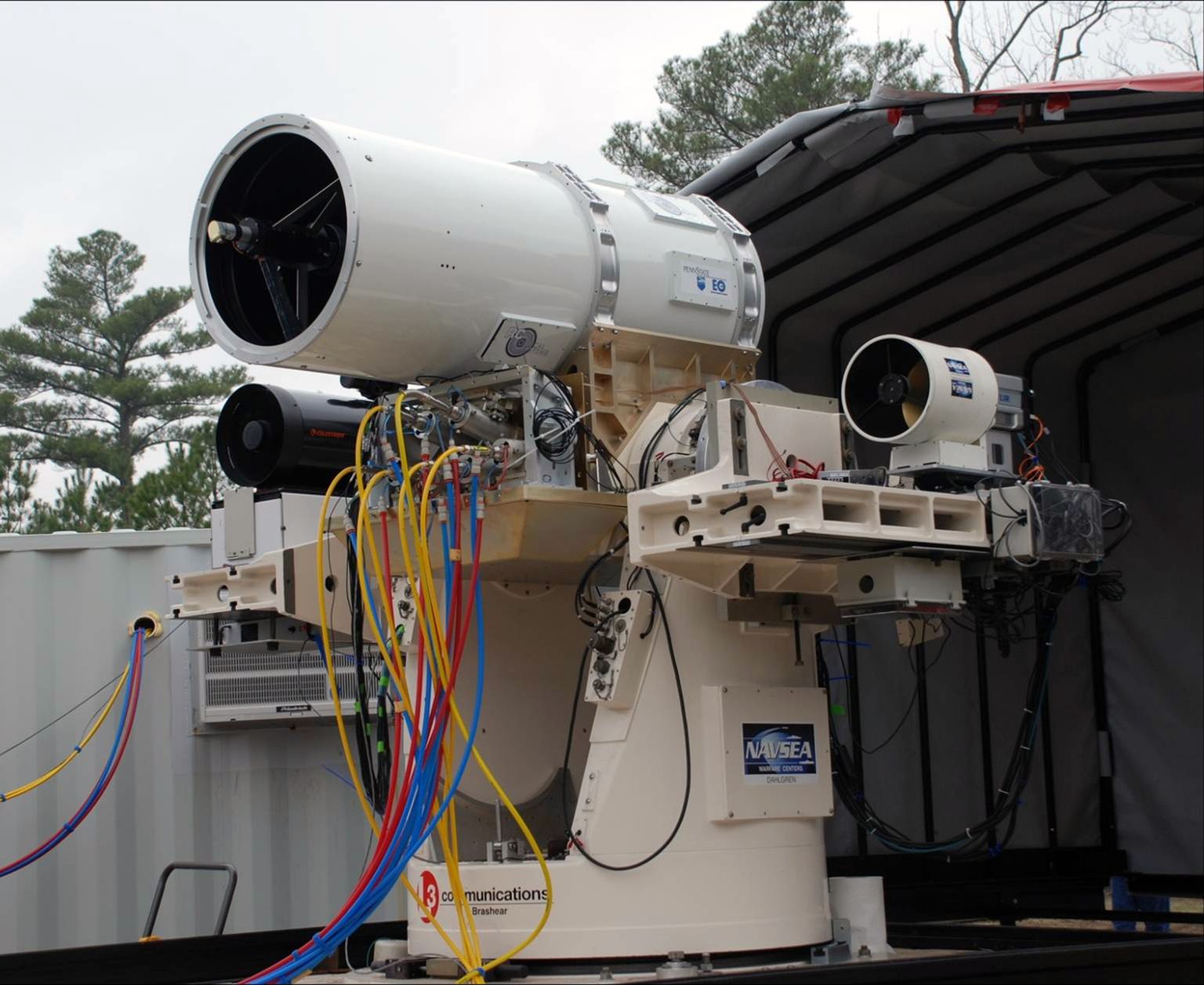
A Ukrainian laser air-defense system called Blysk shot down a Russian jet-powered Geran drone for the first time in combat, presidential adviser Serhii "Flash" Beskrestnov announced on November 25, 2026. The 4 kW laser, built by Carmine Sky, was protecting a critical infrastructure site. It is the first reported laser kill of a jet-powered attack drone, though officials say serial production is still premature.
Background
Russia's long-range strike drone, known as Shahed-136 in its Iranian-designed original and Geran-2 in Russian production, is a loitering munition: a drone that flies to a target area and then dives into it. Moscow has since fielded faster jet-powered versions, which are harder to catch with the cheap interceptors Ukraine built for the slower propeller model. We covered that shift in our report on Russia's jet-powered drones cutting Ukraine's intercept rate to 60%.
A directed-energy weapon is a system that destroys or disables a target with focused energy, such as a laser beam, instead of a missile or bullet. Its main appeal is cost: a laser runs on electricity, so each shot costs far less than an interceptor drone or air-defense missile, according to the Kyiv Independent.
What Is the Blysk Laser?
Blysk is a laser air-defense system developed by the Ukrainian company Carmine Sky. Reported specifications are a 4 kW power output and an effective range of up to 1 km (about 0.6 miles). The company says it can burn through the hull of a Shahed-type drone in seconds.
| Detail | Reported figure |
|---|---|
| Developer | Carmine Sky |
| Power output | 4 kW |
| Effective range | Up to 1 km |
| Target destroyed | Russian jet-powered Geran drone |
| Announced | November 25, 2026 |
| Program | "Private Air Defense," backed by the Brave-1 defense tech cluster |
Carmine Sky announced Blysk's deployment to help protect Kyiv on November 19, according to the Kyiv Independent. The company says the system is not connected to Tryzub, an earlier Ukrainian laser project announced in 2024.
How Did the First Intercept Happen?
Beskrestnov said tests are under way in which lasers protect critical infrastructure facilities, and the jet drone was brought down during one of them. The site was not named, and the reporting does not identify the exact Geran variant or give the target's speed.
Weather had been a problem. Carmine Sky told BBC News Ukraine that persistent cloud and fog over Kyiv had limited the system's early engagements, because clouds can scatter a laser beam. Independent reporting also notes that holding a beam on an agile, fast-moving drone is difficult.
Beskrestnov was cautious about the next step: "It is still too early to talk about serial production of the laser." A single confirmed kill is also not a performance record, and the figure comes from Ukrainian officials rather than independent verification.
Why Lasers Matter for Counter-Drone Defense
Ukraine is not alone in betting on directed energy. In the United States, the Pentagon is running a one-year pilot of four laser and microwave systems at five bases, which we detailed in our look at the Pentagon's directed-energy counter-drone program. Commercial players are following, as with the $40 million raised by Aurelius Systems for counter-drone lasers.
The economics drive the interest. Defending against thousands of low-cost attack drones with missiles is unsustainable, and lasers promise near-zero marginal cost per shot. Their limits are equally clear: short range, sensitivity to fog, rain and dust, and the need to dwell on a single target.
What This Means for Drone Pilots
This does not change the rules for hobbyist or commercial pilots. For anyone flying near conflict zones, critical infrastructure or military sites, though, the lesson is that counter-drone systems are spreading fast and are increasingly automated. Airspace restrictions near such sites exist for a reason, so check no-fly zones and NOTAMs before every flight.
The technology will also trickle down. Detection, tracking and defeat tools developed for war are already shaping airport, stadium and prison security, which affects where civilian drones can operate safely in the coming years.
FAQ
Sources: Kyiv Independent | Kyiv Independent: Ukraine deploys experimental laser air defense system in Kyiv
More like this
Related Articles
EU Drone Strategy Only 20% Done, 10 States Tell Council
Ten EU countries say only 20% of the EU Drone Strategy 2.0 is done and U-space has stalled. Here's what they want by 2027 and what…

DJI Drone Tariffs: USTR Proposes 10% More, 60% Total
USTR's Section 301 plan would add up to 10% on Chinese drones, lifting DJI duties to 60%. Here's who pays, what's still unclear, a…
Pentagon Offers $500M for Strike Drones Under $250K
The Pentagon's DIU opened a $500M prize challenge for one-way attack drones under $250,000 with 600+ nm range. Here is what bidder…