DJI Drone Tariffs: USTR Proposes 10% More, 60% Total

The US Trade Representative proposed on November 25, 2026 a new Section 301 tariff of up to 10% on Chinese drones and drone parts, which would raise the stacked duty on a qualifying DJI drone from 50% to about 60% of import value. Nothing is final: the notices set no effective date, comments are due January 5, 2027, and public hearings begin January 25, 2027.
What Did USTR Propose for Chinese Drones?
USTR proposed tariffs of up to 20% on nearly all Chinese goods, counting the 12.5% forced-labor Section 301 tariff many products already pay. If talks with Beijing are judged unproductive, the agency proposes up to 40%, according to DroneXL's reading of the 14 USTR notices.
Drones get special treatment. All unmanned aircraft (HTS 8806) and drone parts (HTS 8807) are placed in a reduced group, called Annex A, capped at 10%. The reduction covers only civil aircraft, meaning anything other than military aircraft under the notice's general note 6. US Customs and Border Protection decides what qualifies, and the notices do not name consumer camera drones.
Section 301 is the trade law that lets USTR impose tariffs after finding that another country's practices burden US commerce. It is separate from Section 232, the national-security authority behind the tariffs that took effect in September.
Background: A Third Layer of Tariffs
This proposal stacks on top of two existing measures. A Section 301 duty of 25% already applies to many Chinese goods, and the Section 232 drone tariff of 25% took effect on September 3, 2026, as we covered in our report on US drone tariffs taking effect. Washington has also moved on the product side, which we track in Is DJI banned in the US?
The 20% headline figure ties back to the Kuala Lumpur arrangement reached on October 30, 2025, per DroneXL. China has already objected to the existing drone duties, as covered in our story on China demanding the tariffs be withdrawn.
How Much Would a DJI Drone Cost in Tariffs?
A qualifying Chinese drone would pay 10% under the new proposal, on top of the 25% Section 301 duty and the 25% Section 232 drone tariff. That totals 60% of import value, versus 50% today, DroneXL calculated from the notices. The duty is charged on the value at import, not on the retail price, so shelf prices would not rise by the same percentage.
| Scenario | Proposed Section 301 add-on | Stacked total (DroneXL estimate) |
|---|---|---|
| Chinese drone qualifying as civil aircraft | 10% | 60% (versus 50% today) |
| Chinese drone not qualifying | Moves from 12.5% to 20% | Higher than today |
| Thermal drone in the 100% Section 232 tier | 10% | Up to 135% |
| Civil drones from EU, Japan, South Korea, Taiwan, Vietnam | Exempt from the new tariff | Section 232 only |
Allied exemptions apply only to the new Section 301 duty. Those imports still pay Section 232 rates, and for the EU, Japan, South Korea and Taiwan the 15% cap applies only if the importer certifies that substantially all hardware, software and technology comes from those countries or the US.
What Happens to Drone Parts, Batteries and Motors?
Parts are treated unevenly. Electric motors qualify for the reduced Annex A rate only above 735 watts and only for civil aircraft, so small drone motors fall into the 20% group. Sintered neodymium magnets from China get the reduced rate. Non-EV lithium-ion batteries pay 20%, plus the 25% Section 301 rate in effect since January 1, 2026, unless they are classed as civil aircraft articles.
A separate Section 232 tier is already scheduled: 25% on propellers, landing gear and other drone parts starts February 9, 2027.
When Could the New Tariffs Take Effect?
None of the 14 notices sets an effective date. The process is a proposal, so the rates could change.
- January 5, 2027: written comments and requests to testify are due.
- January 25, 2027: USTR's Section 301 Committee holds public hearings at the US International Trade Commission in Washington.
- February 9, 2027: the separate Section 232 tier on drone parts begins.
Trade Representative Jamieson Greer reportedly called the approach "targeted," per The New York Times as cited by DroneXL.
What This Means for Drone Pilots
For pilots, this is a cost story, not a flight-rules story. Registration, Part 107 and airspace rules do not change, and drones you already own are unaffected.
- Buyers in the US: if you plan to buy a DJI or other Chinese-made drone, existing retail stock was imported before any new duty could apply. Prices on future shipments are likely to drift up if the proposal is finalized. Compare options in our DJI drones complete guide and the best beginner drones list.
- Enterprise and public safety: thermal-equipped fleets face the steepest exposure, up to 135% in the worst case.
- Businesses and industry groups: you can file comments before January 5, 2027, and request to testify.
- Pilots outside the US: you are not taxed directly, but manufacturers losing US margin may adjust global pricing and launch plans.
FAQ
Sources: DroneXL | USTR | White House proclamation on drone imports
More like this
Related Articles
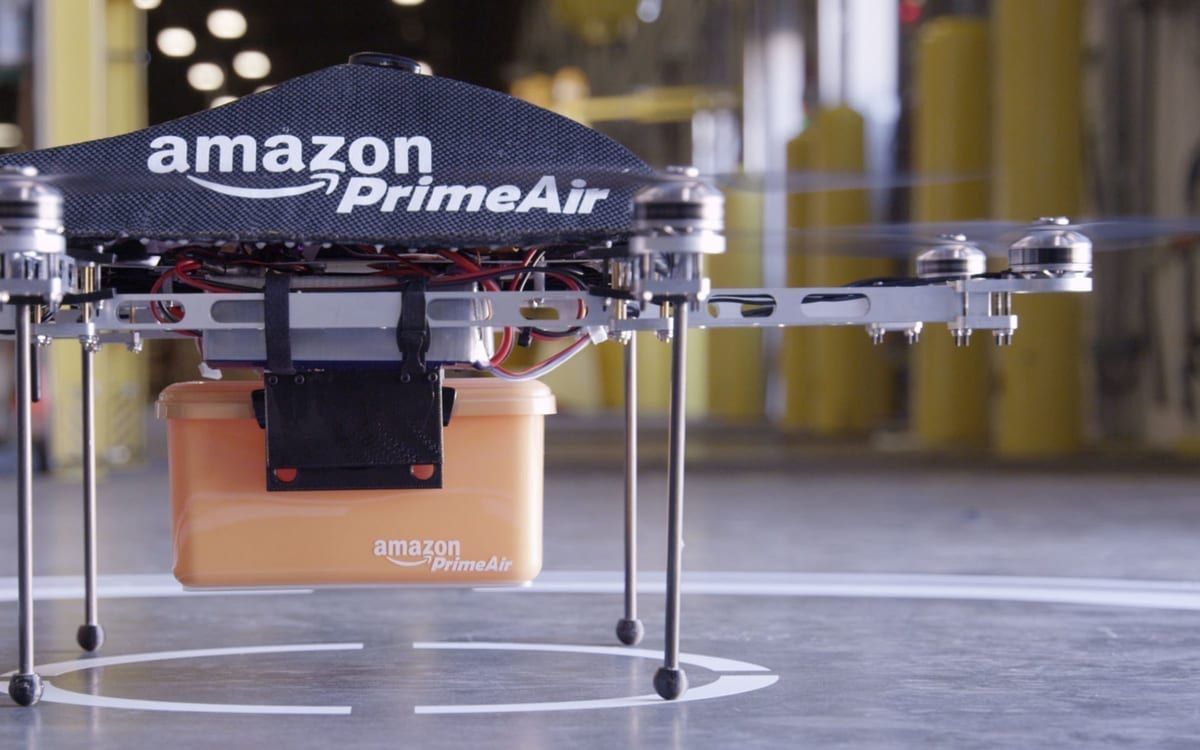
Amazon Drone Crash in Michigan: FAA Probes MK30 Incident
Amazon's MK30 delivery drone hit a fiber cable and a garage near Detroit on Nov. 20. The FAA is investigating. Here's what we know…
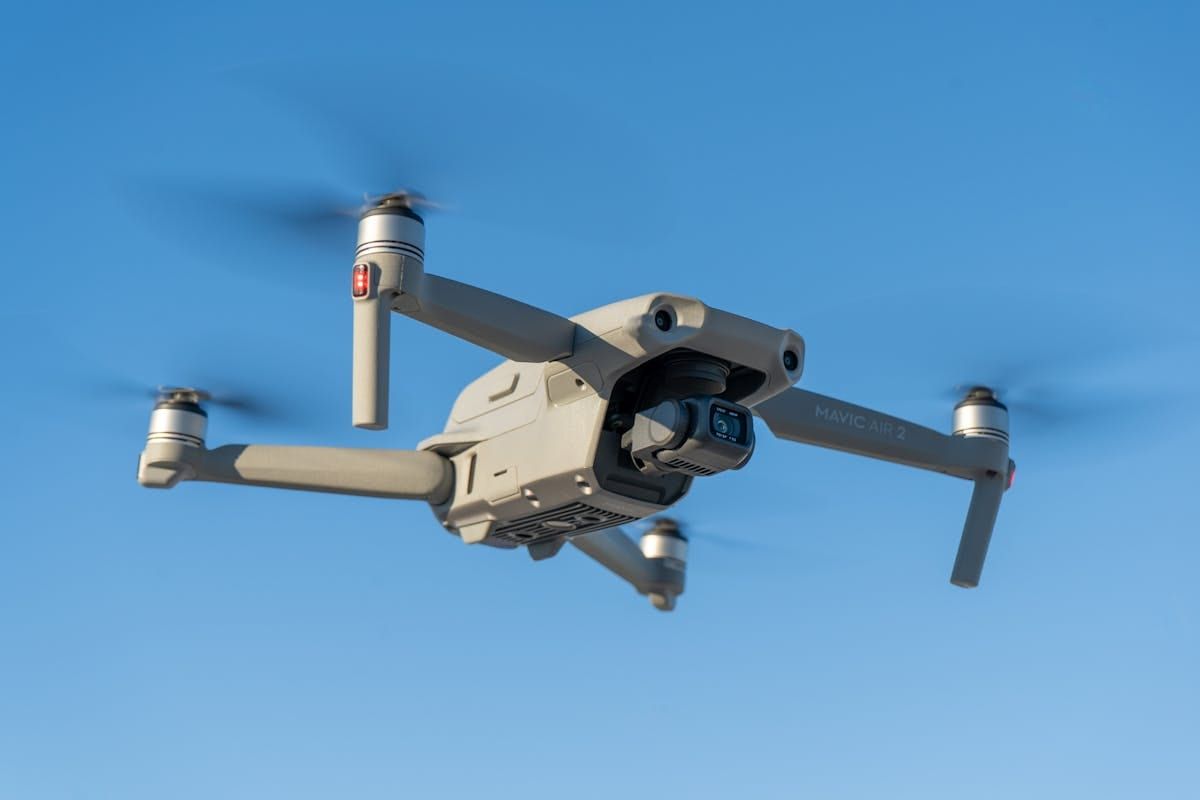
FCC Clears 23 Drone Makers to Sell in US: Full List
The FCC cleared 71 companies, including 23 drone makers, to sell Covered List equipment on Nov. 20. DJI and Autel are not included…
FCC Opens 450 MHz Band to Drone Data Links: What Changes
The FCC voted Nov. 19 to open 450 MHz to drone and eVTOL data links and license 24 GHz counter-drone radar. Here's what Aura's lic…