Counter-Drone Laser Startup Aurelius Raises $40M (2026)
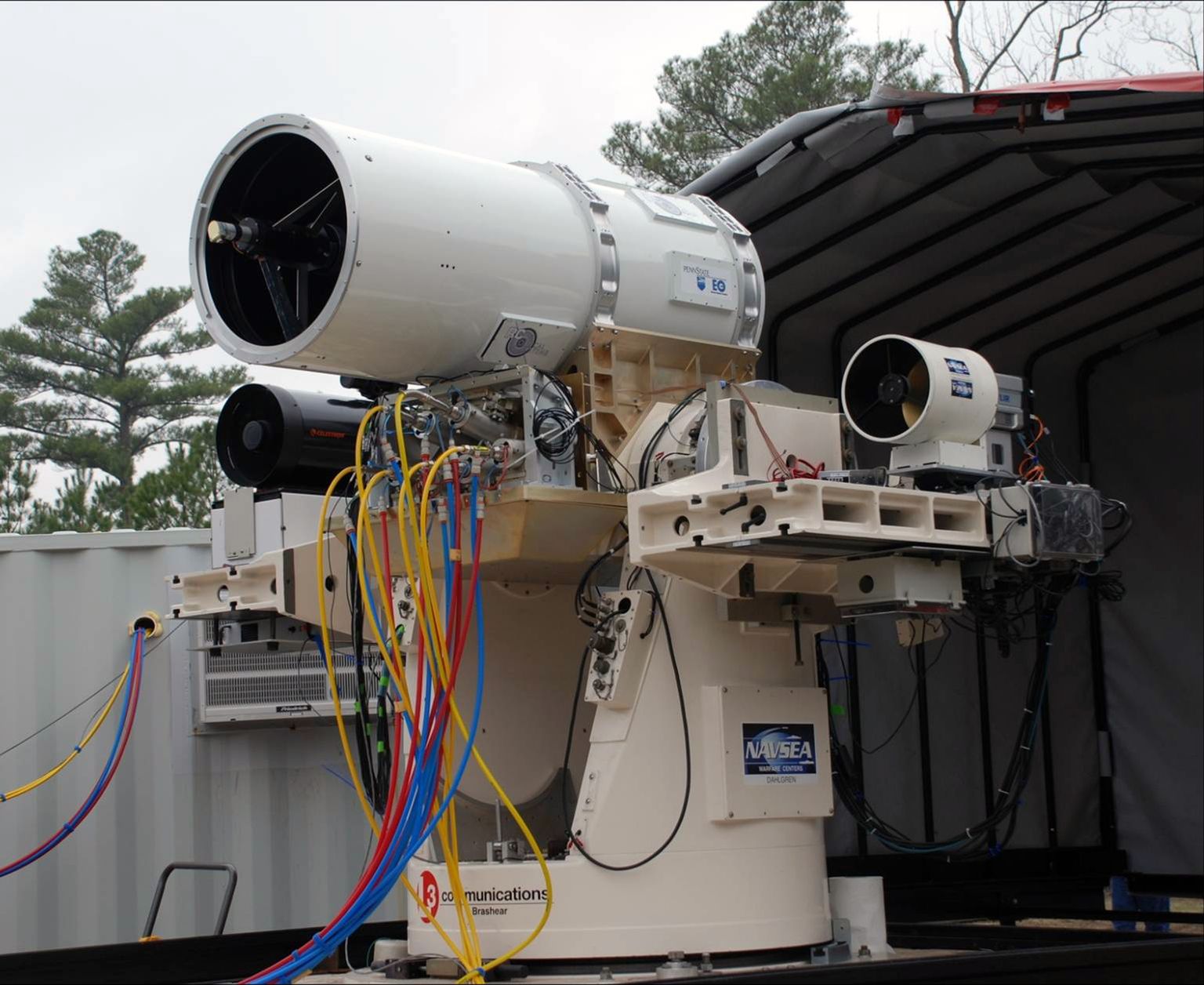
Aurelius Systems, a San Francisco-based counter-drone startup, raised a $40 million Series A on August 5, 2026, to scale production of Archimedes, an autonomous laser system that detects, tracks, and disables drones without operator intervention. The round was co-led by Draper Associates and KAS Venture Partners, with General Catalyst, Hanwha Asset Management, and five other firms participating.
Background: Why Counter-Drone Defense Is Booming
Cheap, mass-produced drones have become the defining threat of modern battlefields and, increasingly, of domestic airspace. Russia's war in Ukraine popularized swarms of first-person-view quadcopters costing a few hundred dollars each, forcing militaries worldwide to find defenses that don't cost more than the drone being shot down. That imbalance — a $50,000 missile against a $500 drone — is the problem directed-energy weapons are built to solve.
The urgency has crossed into US domestic security, too. Unauthorized drones flew over Barksdale Air Force Base in Louisiana in March 2026, and repeated incursions have been reported near other sensitive military sites. Congress responded with the Safer Skies Act, which expanded which agencies can legally disable a drone in US airspace. Investors have followed the same signal: counter-unmanned aircraft systems, or C-UAS (technology designed to detect, track, and neutralize unauthorized drones), is now one of the fastest-growing categories in defense venture funding.
How the Archimedes Laser System Works
Archimedes is a lightweight, modular turret that pairs a high-power laser with onboard sensors and AI software, letting it identify, track, and engage a drone entirely on its own — with no human pulling a trigger for target acquisition. Aurelius says the system can detect targets more than 2 kilometers (1.2 miles) away and disable a drone at ranges beyond 1 kilometer (0.6 miles), in a matter of seconds.
Because a laser strike costs a fraction of a cent in electricity rather than the price of a missile, Aurelius pitches Archimedes as a way to counter drone swarms at scale without depleting expensive munitions stockpiles. The company says the platform is designed to "operate without escalation" — engaging only unauthorized drones rather than triggering a broader use-of-force response.
The technology has already been tested outside the lab. At the Technology Readiness Experimentation (T-REX) 26-2 exercise, Archimedes reportedly downed more than 20 commercial quadcopters and five Army-supplied drone targets. Aurelius has also validated command-and-control interoperability at the Pentagon's Operation Jailbreak exercise and struck an integration partnership with defense contractor American Rheinmetall to expand where the system can be deployed.
The Funding and What It Buys
The $40 million Series A was co-led by Draper Associates and KAS Venture Partners, with General Catalyst, the Hanwha Asset Management Venture Fund, Outlander, Alumni Ventures, Bravo Victor Venture Capital, Detroit Venture Partners, and Decisive Point also participating. It follows two smaller early rounds: a $2.1 million raise in July 2024, when Aurelius was founded, and $1.25 million from angel investor Naval Ravikant three months later.
Aurelius CEO Michael LaFramboise said the capital "marks the next phase of Aurelius' growth as we continue to advance Archimedes, accelerate manufacturing readiness and expand the capabilities we deliver to the defense ecosystem." The company plans to use the money to increase production capacity, improve manufacturing readiness, and reduce reliance on external suppliers for critical components. Aurelius currently employs 19 people and expects to more than double that to over 40 by the end of 2026.
What This Means for Drone Pilots
Archimedes is built to counter unauthorized drones, not to interfere with licensed, compliant flights — but its rapid deployment matters for anyone flying near military installations or other sites likely to adopt directed-energy defenses. Operators should expect more bases and critical-infrastructure sites to add active counter-drone systems in the coming years, making it more important than ever to check no-fly zones and current airspace restrictions before every flight, particularly near defense facilities.
For the wider industry, the funding also signals where defense investment dollars are heading: toward autonomous systems that can make engagement decisions with minimal human input, a trend already reshaping how artificial intelligence is used in drones far beyond the battlefield. As directed-energy counter-drone systems scale from prototypes to fielded hardware, they add a new layer of risk calculus for operators of the military and defense category of unmanned aircraft in contested environments.
FAQ
Sources: Aurelius Systems | Defense Daily
More like this
Related Articles
EASA Proposes Cutting Drone Registration to 100g in 2026
EASA's new Opinion 06/2026 would drop the EU drone registration and Remote ID threshold from 250g to 100g, matching the UK. Here's…
Flytrex Drones Now Predict Your Order Before You Do
Flytrex's rooftop drone docks and AI positioning system now predict food orders before they're placed, cutting delivery costs 60%…

Drone Halts Flights at Reagan National for 20 Minutes
An unauthorized drone forced a 20-minute halt of all Reagan National Airport flights on Sept. 16, 2026 — here's what happened and…