Pentagon Offers $500M for Strike Drones Under $250K
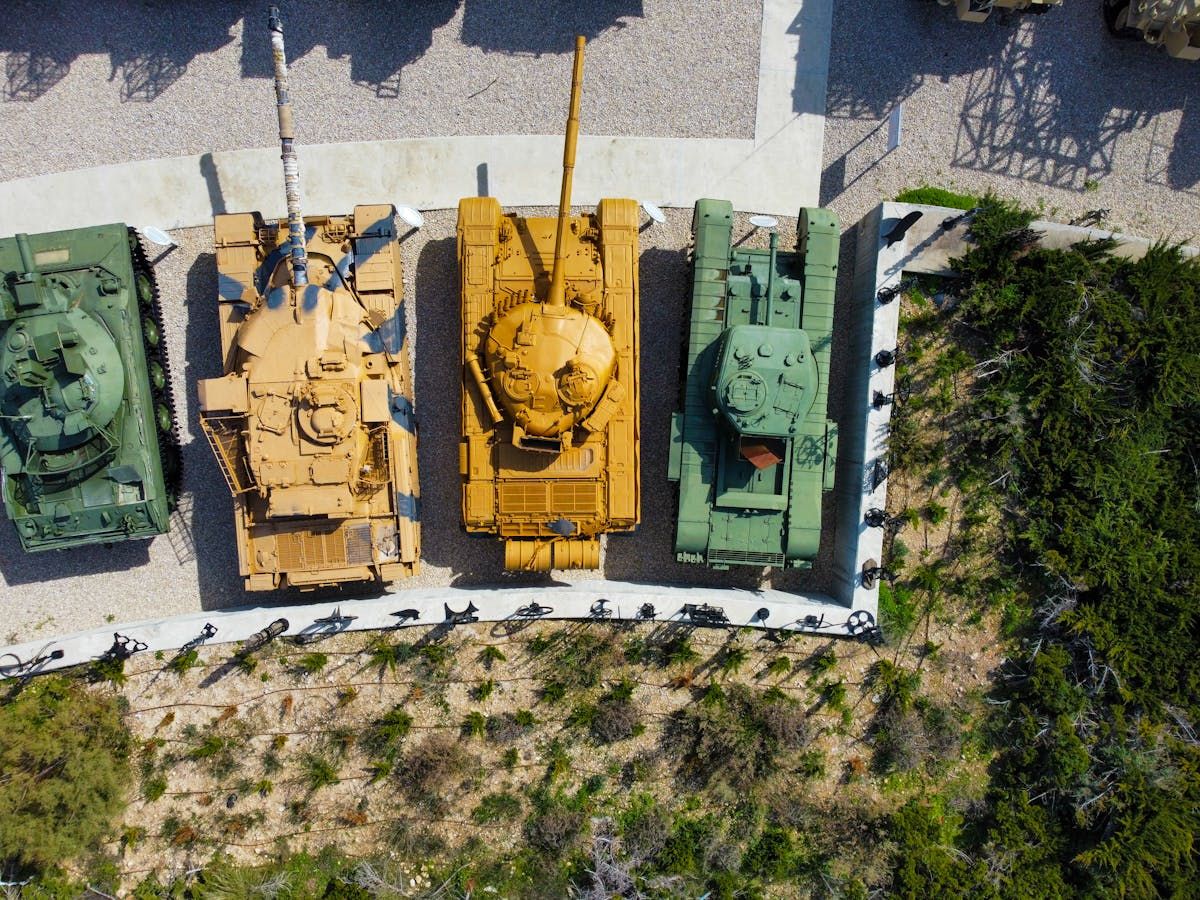
The Pentagon's Defense Innovation Unit (DIU) has opened a prize challenge worth up to $500 million for low-cost, surface-launched one-way attack drones. The long-range class must fly 600 nautical miles or more for under $250,000 per unit at scale, and submissions close December 7, 2026, according to the DIU solicitation.
Background
The challenge, titled "Drone Dominance: Extended Range Strike - Gauntlet II," extends the Pentagon's Drone Dominance effort beyond small FPV drones into longer-range munitions. A one-way attack drone is an uncrewed aircraft built to fly to a target and detonate on impact, like a cruise missile at a fraction of the cost. A gauntlet is a rolling competition that narrows vendors through testing before large production orders.
It is separate from the small-drone program covered in our report on Gauntlet II results, where Neros topped both boards, and from the Phase 3 round for 60,000 attack drones. Prototype holders from the first extended-range round, run through an Army SBIR topic called G-BAM, advance to this stage without submitting a new proposal, DroneXL reported.
What Are the Extended Range Strike Requirements?
The challenge has two tiers, and each must be submitted separately. The long-range tier demands 600+ nautical miles (about 690 miles) at under $250,000 all-up cost at scale. The medium-range tier covers 20 to 600 nautical miles at under $130,000, with typical missions of 20 to 100 nautical miles.
| Requirement | Long range | Medium range |
|---|---|---|
| Range | 600+ nm | 20-600 nm |
| Flyaway cost at scale | Under $250,000 | Under $130,000 |
| Cost per effect | Under $500,000 | Under $300,000 |
| Minimum payload | 25 lb (100+ lb preferred) | 7 lb |
Cost per effect is the fully burdened unit cost divided by mission success rate, so an unreliable cheap drone scores worse than a pricier one that hits its target. Entrants must also show TRL 7 or better (a system prototype proven in an operational environment) and operation under GPS and data-link jamming, DroneXL reported.
Timeline, Prizes, and Eligibility
Responses are due by 11:59 p.m. Eastern on December 7, 2026. Companies then demonstrate at a government range in mid-March 2027. Each firm that attempts all test cards collects $500,000, and top performers receive a prototype Other Transaction Agreement, according to DroneXL's reading of the solicitation.
The production path is aggressive: 20 to 30 systems are to be delivered by June 2027, and more than 100 within six to eight months of the solicitation. A third round, Gauntlet III, is expected in mid-August 2027. The challenge is open to U.S. and international companies, though foreign firms need an NCAGE code. DIU states participation does not guarantee an award.
What This Means for Drone Pilots
Most pilots will never touch these aircraft, but the buy shapes the civilian market. Large government orders pull battery, motor, and flight-controller suppliers toward defense production, and they reward U.S. manufacturing at a time when the FCC's rules on foreign-made drones already reshape which models are sold in the United States.
For commercial operators and hobbyists, the practical takeaways are:
- Expect continued demand for American-made components and autonomy software, which can affect prices and availability.
- Jamming-resistant navigation and low-cost autonomy developed for these contracts often migrate into civilian products.
- Defense funding is increasingly the main source of capital for new drone startups, which may influence which companies survive.
To understand how military platforms differ from consumer aircraft, see our guide to the types of drones.
FAQ
FAQ
Sources: DIU solicitation PROJ00725 | DroneXL
More like this
Related Articles
EU Drone Strategy Only 20% Done, 10 States Tell Council
Ten EU countries say only 20% of the EU Drone Strategy 2.0 is done and U-space has stalled. Here's what they want by 2027 and what…

DJI Drone Tariffs: USTR Proposes 10% More, 60% Total
USTR's Section 301 plan would add up to 10% on Chinese drones, lifting DJI duties to 60%. Here's who pays, what's still unclear, a…
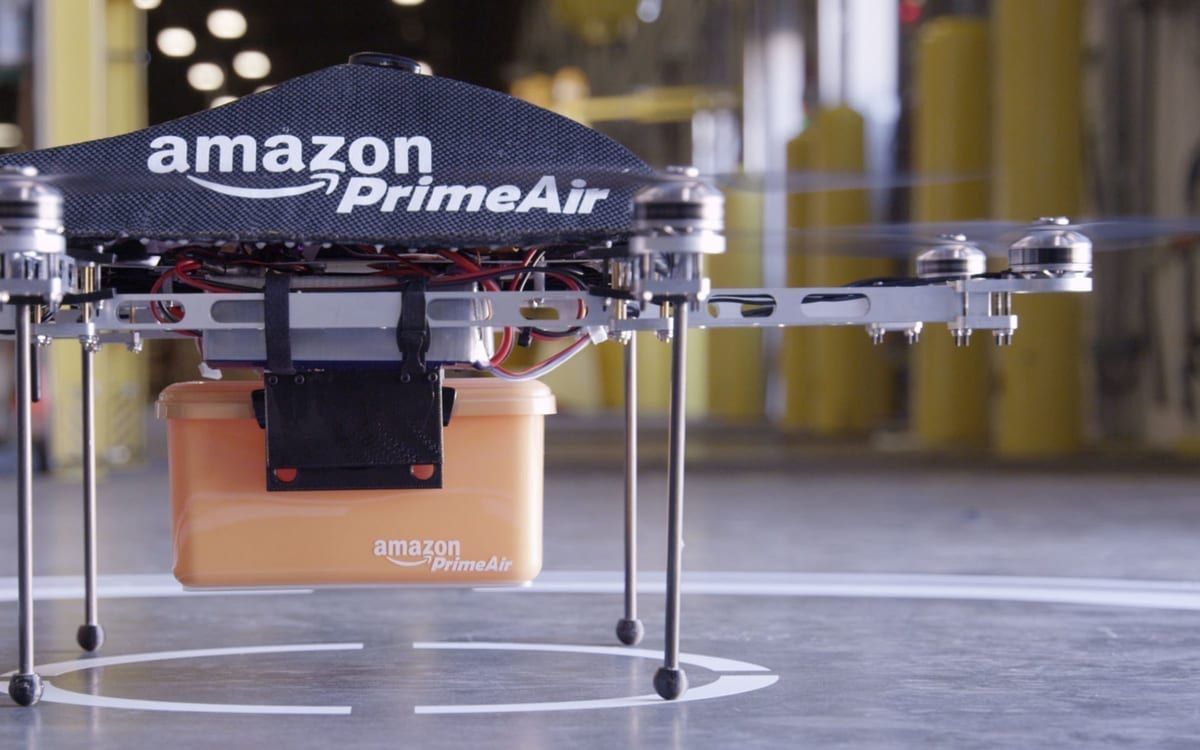
Amazon Drone Crash in Michigan: FAA Probes MK30 Incident
Amazon's MK30 delivery drone hit a fiber cable and a garage near Detroit on Nov. 20. The FAA is investigating. Here's what we know…