FCC Drone Ban 2026: 17 Makers Get Permanent Exemption
The Federal Communications Commission removed the automatic December 31, 2026 expiration date on Conditional Approvals for onshoring drone makers, the agency confirmed July 27. Exemptions from its Covered List drone ban now last indefinitely if makers keep production plans on track. Two more platforms joined the list July 24, bringing the total to 17.
Exedy Globalparts Corporation's Ayre CX and Parallel Flight Technologies' Firefly received the new Conditional Approvals, according to DroneDJ and DRONELIFE. The change gives American and allied manufacturers a durable path to sell drones the FCC would otherwise block outright.
Background: A Widening FCC Crackdown on Foreign Drones
In December 2025, the FCC added virtually all foreign-produced unmanned aircraft systems (UAS) and their critical components to its national security Covered List — a designation reserved for equipment the government considers an unacceptable risk. The move followed an Executive Branch national security determination and named DJI and Autel Robotics directly, blocking authorization of new models from both companies.
The Covered List doesn't ban every drone outright. The FCC built in a Conditional Approval pathway: a manufacturer that commits to onshoring production in the US, and passes vetting from the Department of War or the Department of Homeland Security, can sell its aircraft despite the broader ban. Until this week, those approvals carried a hard stop — they expired on December 31, 2026, regardless of a company's compliance record.
The FCC has kept widening its enforcement in 2026 on multiple fronts at once. In July alone, the agency also proposed a retroactive ban on nine companies accused of selling rebranded DJI drones, and floated a separate rule targeting entire categories of "military-grade" foreign hardware. The Conditional Approval change moves in the opposite direction — rewarding compliant manufacturers instead of restricting more of them.
What Changed for Conditional Approvals
Under the previous framework, every Conditional Approval carried the same sunset date: December 31, 2026. That created a cliff for companies investing in US factories, supply contracts, and Blue UAS-style government sales — approval today offered no guarantee of market access next year.
The FCC's July 21 notice replaces the fixed date with an ongoing-compliance model. An approval now stays valid as long as the manufacturer:
- Continues following its approved onshoring plan for production, and
- Passes updated government vetting of the specific products approved.
Approval is revoked only if a company abandons its onshoring commitments or if regulators later find false statements in the original application. In practice, that swaps a countdown clock for a compliance obligation — a materially better position for manufacturers planning multi-year production runs.
The 17 Approved Platforms
The two July 24 additions bring the FCC's public list of Conditional Approvals to 17 drone platforms. The newest entrants are:
- Exedy Globalparts Corporation — Ayre CX
- Parallel Flight Technologies — Firefly
They join 15 previously approved companies, according to DroneDJ and DRONELIFE: SiFly Aviation, Mobilicom, ScoutDI, Verge, Sees.ai, Air6 System, Elevon Aerial, Blueflite, Verity AG, Air VEV, Innovation First International, Flock Safety, ABZ Innovation, Real-Time Robotics, and Ceres Air.
Several of those 15 are already familiar to US operators. Flock Safety supplies drones for police drone-as-first-responder programs in cities including Fort Worth, Stockton, and Chula Vista, and Blueflite operates medical-logistics delivery routes out of Louisiana — both categories where a sudden loss of FCC authorization would have put active contracts at risk, not just future purchases. Removing the expiration date gives agencies and logistics partners a firmer basis for signing multi-year deals with any of the 17.
Parallel Flight's Firefly is a heavy-lift UAS aimed at industrial and utility work; it cleared an FAA §44807 exemption earlier in 2026 before adding this FCC approval. Neither company has published full specs for the newly approved configurations.
What This Means for Drone Pilots
For US operators, this is the clearest signal yet that "Made in USA" and allied-manufacturing drones are becoming a durable category, not a temporary workaround while DJI and Autel fight their Covered List cases in court. Fleet buyers planning multi-year purchases — public safety agencies, utilities, agricultural operators — now have 17 named platforms with a compliance path instead of an expiration date, which matters for anyone budgeting hardware refreshes past 2026.
It doesn't change anything for drones already in pilots' hands. DJI and Autel aircraft bought before the Covered List designation remain legal to fly; the restriction applies to new FCC authorizations, not existing equipment. Pilots weighing a first purchase or a fleet upgrade should check our drone buying guide against this growing exemption list before assuming a model is unavailable.
Outside the US, the practical effect is smaller but worth tracking: regulators in the EU, UK, and Australia are watching how Washington's onshoring-for-market-access model performs, and similar conditional frameworks could surface elsewhere if it holds up in DJI's pending Ninth Circuit challenge.
FAQ
Sources: DroneDJ | DRONELIFE | FCC Covered List FAQs
More like this
Related Articles
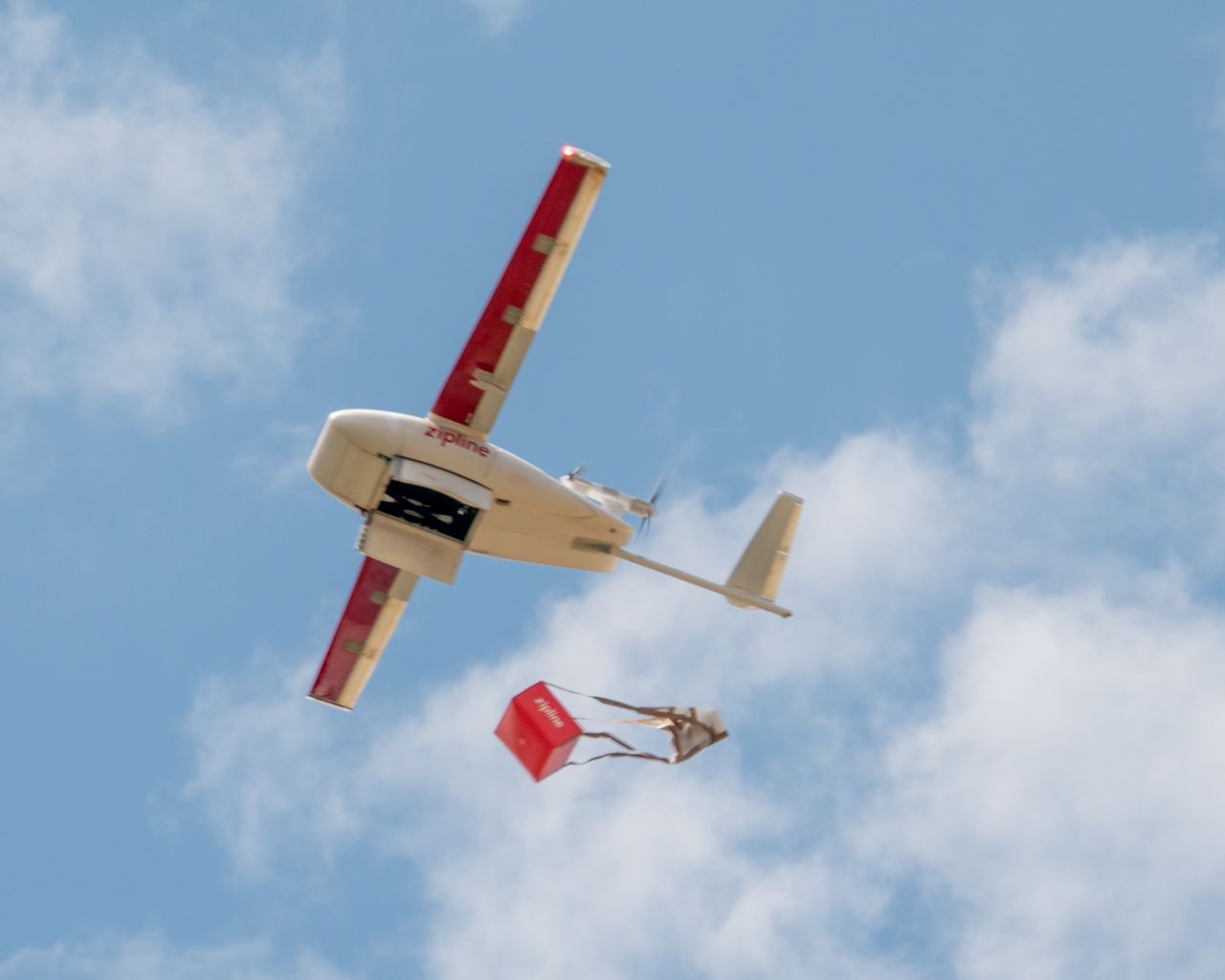
Zipline Asks FAA for 220,000 Texas Deliveries a Day
Zipline has filed a draft FAA environmental review seeking approval for 220,000 drone deliveries a day across five Texas metros —…
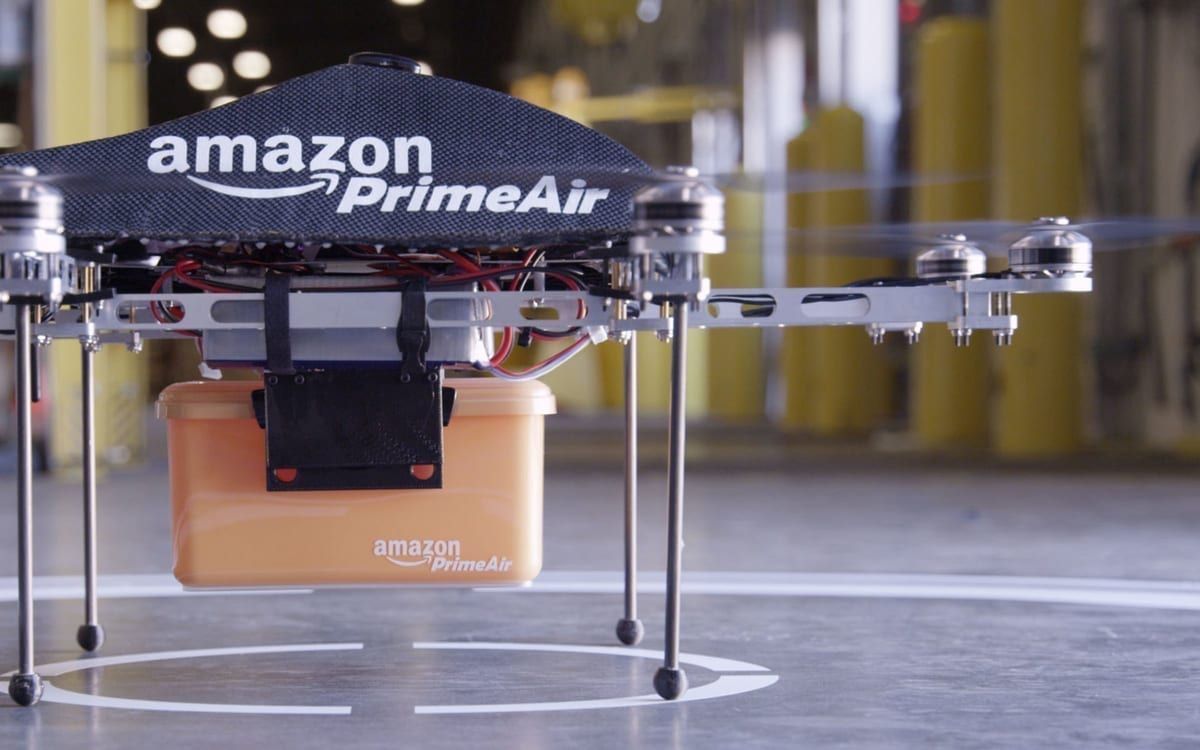
Amazon Seeks CAA Approval for Town-Wide UK Drone Delivery
Amazon has flown 500+ Prime Air deliveries in Darlington and wants CAA approval to cover the whole UK town — a key test case for w…
Wingcopter 262: 6-Hour Tactical eVTOL Debuts for Defense
Wingcopter unveiled the 262, an all-electric eVTOL with 150 km range and 6-hour endurance, built with Ukraine's TAF Industries for…