FCC Targets 9 DJI Clone Brands in First Retroactive Ban
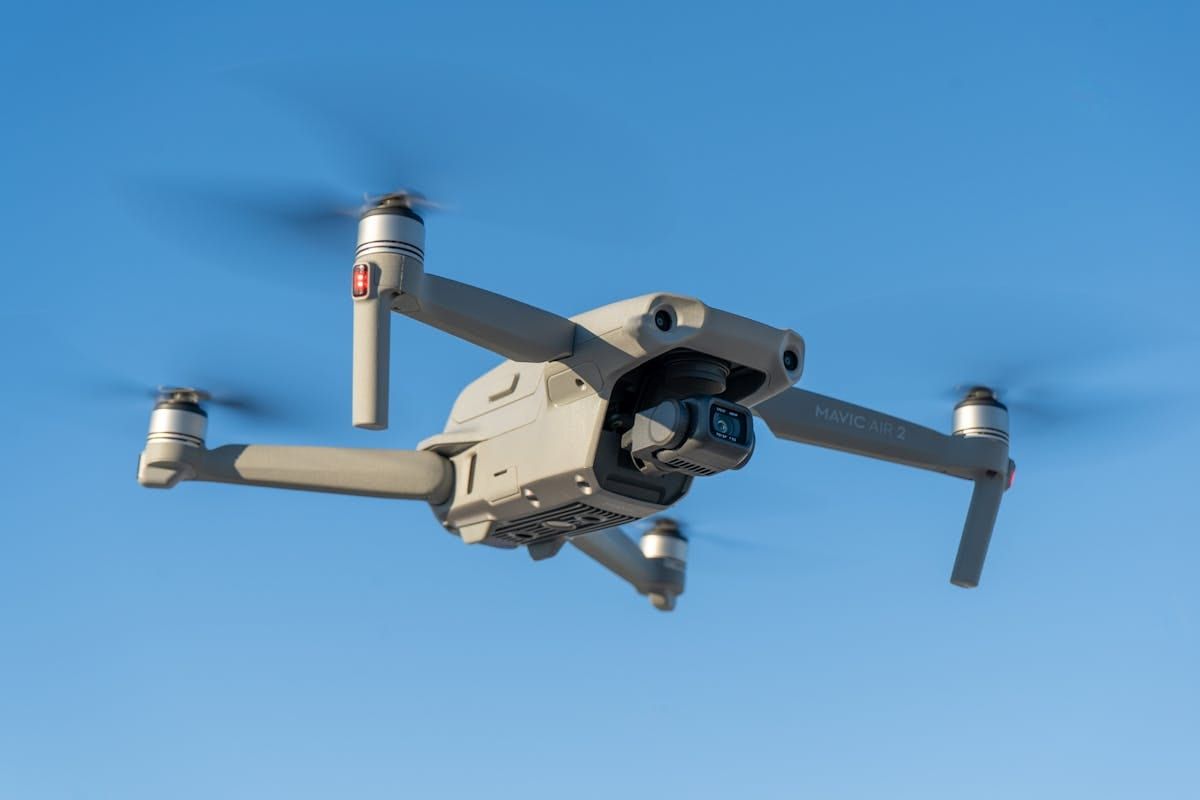
The US Federal Communications Commission has proposed banning nine companies accused of selling rebranded DJI drones and cameras under their own names — and, for the first time, wants to pull products already sitting on store shelves and in customers' hands, not just block future imports. The FCC opened the proposal for public comment in the week of July 21, 2026, naming Cogito, Fikaxo, Lyno Dynamics, Skyhigh Tech, Spatial Hover, SZ Knowact, WaveGo, Xtra, and XAG.
Background: From Blocking New Models to Erasing Old Ones
The FCC added DJI and Autel Robotics to its "covered list" — equipment classified as a national security risk — in December 2025. That action blocked authorization of new consumer drone models and components but explicitly let existing, already-purchased devices keep working. DJI has since disclosed 25 planned 2026 products blocked from the US market as a direct result.
The new proposal against these nine brands goes further. In October 2025 the FCC voted to grant itself retroactive revocation authority — the power to strip a device of its existing FCC equipment authorization after the fact, not just deny future ones. This proposal is the first time the agency has moved to use that power, and it specifically targets companies the FCC suspects are shell operations reselling older, already-certified DJI hardware under new logos to sidestep the covered-list restrictions. Eight of the nine companies were already facing separate proposed $25,000 fines for failing to respond to FCC information requests about their supply chains.
The Nine Companies and the Products They Sell
The FCC has not published exhaustive product lists for every brand, but reporting has identified specific consumer models that closely mirror existing DJI hardware:
| Brand | Product identified | DJI equivalent it resembles |
|---|---|---|
| SZ Knowact / WaveGo | SkyRover X1 | DJI Mini 4 Pro |
| Xtra | Xtra Muse 2 Pro | DJI Osmo Pocket 3 |
| Cogito, Fikaxo, Lyno Dynamics, Skyhigh Tech, Spatial Hover, XAG | Not yet individually detailed by the FCC | Various DJI consumer and imaging lines |
The SkyRover X1 and Xtra Muse 2 Pro are the two products named most consistently across coverage of the filing, both sold through mainstream US retail channels including Amazon at price points close to their DJI counterparts — the DJI Mini 2 SE lists at roughly $400 and the Osmo Pocket 3 at $399–$428, giving lookalike brands room to undercut on price while allegedly relying on the same underlying hardware and firmware.
How This Differs From the Existing DJI Ban
The December 2025 covered-list action was prospective: it stopped new models from getting FCC authorization but left previously certified DJI products legal to own, use, and resell. This proposal is retroactive — if adopted, it would revoke authorization already granted to specific SkyRover, Xtra, and other listed-brand models, which the FCC says would then have to come off US shelves entirely rather than simply age out of the market.
The proposal has drawn skepticism alongside support. As Sean Hollister at The Verge has noted regarding the broader campaign, the government has not published specific public evidence that foreign-made drones transmit data improperly, even as DJI alone commands roughly 90% of the global consumer drone market. DJI itself maintains that independent security audits of its products found no evidence of data transmission outside the United States and no backdoors, and has called the wider restriction campaign "protectionism, contrary to the principles of an open market." None of the nine companies named in this specific filing has publicly responded to the FCC's allegations as of publication.
The public comment period is open for 30 days from the notice's publication, after which the FCC could adopt, modify, or drop the proposal. No products have been removed from sale yet.
What This Means for Drone Pilots
If you own a SkyRover, Xtra, or other budget drone or gimbal camera that closely mirrors a DJI model, check the manufacturer name and FCC ID printed on the device or in its manual — that's the fastest way to know if your specific model falls under this proposal. A final ban would primarily hit future sales and support rather than instantly disabling hardware already in the field, based on how the FCC has structured similar past actions, but firmware updates and warranty service from a delisted company could become unreliable.
For buyers shopping now, the practical lesson extends beyond these nine names: a suspiciously DJI-like drone at a steep discount from an unfamiliar brand carries real regulatory risk on top of the usual build-quality tradeoffs. Sticking with manufacturers that have their own FAA registration history and support infrastructure — reviewed in our complete guide to DJI drones and its competitors — reduces exposure to a ban list that keeps growing. This proposal runs in parallel with a separate FCC plan to ban entire categories of "military-grade" drones, detailed in our coverage of that filing, underscoring that US drone import policy is shifting fast enough that last year's safe purchase can become this year's regulatory question mark.
FAQ
Sources: Digital Camera World | Reason | Engadget
More like this
Related Articles
Spray Drone Sales Fell 59% as FCC Ban Looms (2026)
US spray drone sales fell 59% in 2025, the American Spray Drone Coalition says, and it wants the FCC to exempt Part 137 drones fro…
Massachusetts Drone Delivery Freeze: 16 Lawmakers Ask Healey
16 Massachusetts lawmakers asked Gov. Healey on Oct. 19, 2026 to freeze drone delivery certificates. MassDOT told Amazon it needs…
Amazon Drone Delivery Tallahassee: Mid-November Launch
Amazon Prime Air aims to start MK30 drone delivery in Tallahassee by mid-November, with up to 21 drones and a 7.5-mile range. Here…