
Spray Drone Sales Fell 59% as FCC Ban Looms (2026)
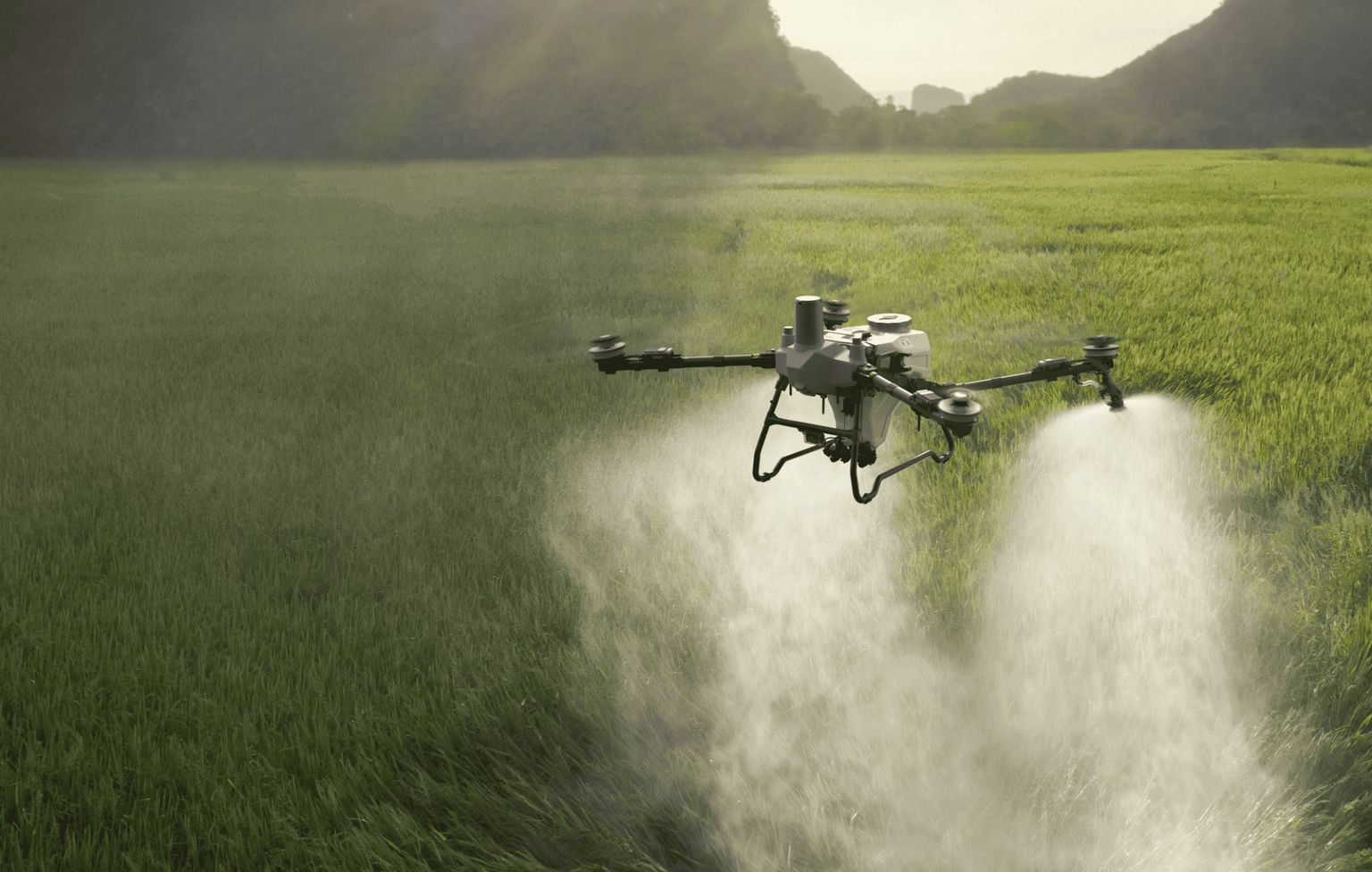
US sales of new agricultural spray drones fell 59% in 2025, from about 8,950 units to about 3,700, according to the American Spray Drone Coalition (ASDC). The group is now asking the FCC to exempt FAA Part 137 spray drones from a proposed ban on foreign "military-grade" drones and to allow two years of spare-parts imports. The FCC has not adopted the proposal as of October 21, 2026.
The numbers come from a trade group with a stake in the outcome, so treat them as industry estimates, not government records. Even so, they show how much regulatory uncertainty is already reshaping the US spray drone market.
Background: Why Did Spray Drone Sales Fall 59%?
The ASDC blames a US Customs and Border Protection (CBP) hold on DJI shipments that began in October 2024 under the Uyghur Forced Labor Prevention Act. DJI has called the forced-labor claims behind the hold false. According to DroneXL's report, ASDC president Eric Ringer said the drop "was not because of a lack of demand."
Demand did not disappear. The same ASDC survey found that drone-sprayed acreage still rose almost 59% in 2025, to more than 16 million acres. The FAA's count of approved Part 137 operators rose 58.3% to 1,710, and the average price per sprayed acre reportedly fell from $21 to $13.
| Metric | 2024 | 2025 | Change |
|---|---|---|---|
| New spray drones sold (US) | ~8,950 | ~3,700 | -59% |
| Acres sprayed by drone | n/a | 16M+ | +~59% |
| Approved Part 137 operators | n/a | 1,710 | +58.3% |
| Avg. price per sprayed acre | $21 | $13 | -38% |
Source: American Spray Drone Coalition 2025 Impact Survey, as reported by DroneXL. The survey polled Part 137 certificate holders and may not represent the whole market.
What Is the FCC Proposing for Spray Drones?
The FCC's July 2026 proposal (PS Docket 26-189) would ban imports and sales of foreign-made drones it classifies as military-grade. The list includes drones that can dispense "economic poison," which would cover foreign-made Part 137 spray drones. We covered the public comment results, where 98.6% of readable filings opposed the rule as written.
The coalition's filing asks the FCC to:
- Exclude Part 137 agricultural spray drones from the military-grade definition.
- Allow two years of spare-parts imports so existing fleets can keep flying.
Part 137 is the FAA regulation covering agricultural aircraft operations, including drones that dispense pesticides, fertilizers, or seed. Spray drones above 55 pounds also need a separate FAA exemption under Section 44807.
Other Regulatory Signals This Week
The FCC also added Department of War letters to the records of DJI and Autel Robotics in an October 14 public notice, saying it did not rely on them when it placed foreign-made drones on the Covered List in December 2025. We explained the filing in our sealed Pentagon letters report.
Separately, DJI's final support date for the Phantom 4 Pro V2 is October 31, 2026. See our end-of-service guide for what changes.
What This Means for Drone Pilots and Spray Operators
If you operate a spray drone under Part 137, nothing changes today: the FCC proposal is not final, and your existing aircraft remain legal to fly. The risk is on the supply side, including new aircraft, batteries, and replacement parts.
- Buyers: Expect limited inventory and volatile pricing on DJI Agras models while the CBP hold and FCC decision stay unresolved. Our Agras T55 and T100 report explains why those models are hard to get in the US.
- Operators: Stock critical spare parts now, and document your Part 137 operations in case you file comments or seek exemptions.
- Newcomers: Read our agricultural drone guide for certification and cost basics before buying.
For the broader picture, see is DJI banned in the US.
FAQ
Sources: DroneXL, Oct. 21, 2026 | DroneXL weekly roundup, Oct. 23, 2026 | ASDC 2025 Impact Survey | FAA: Dispensing Chemicals with UAS
More like this
Related Articles
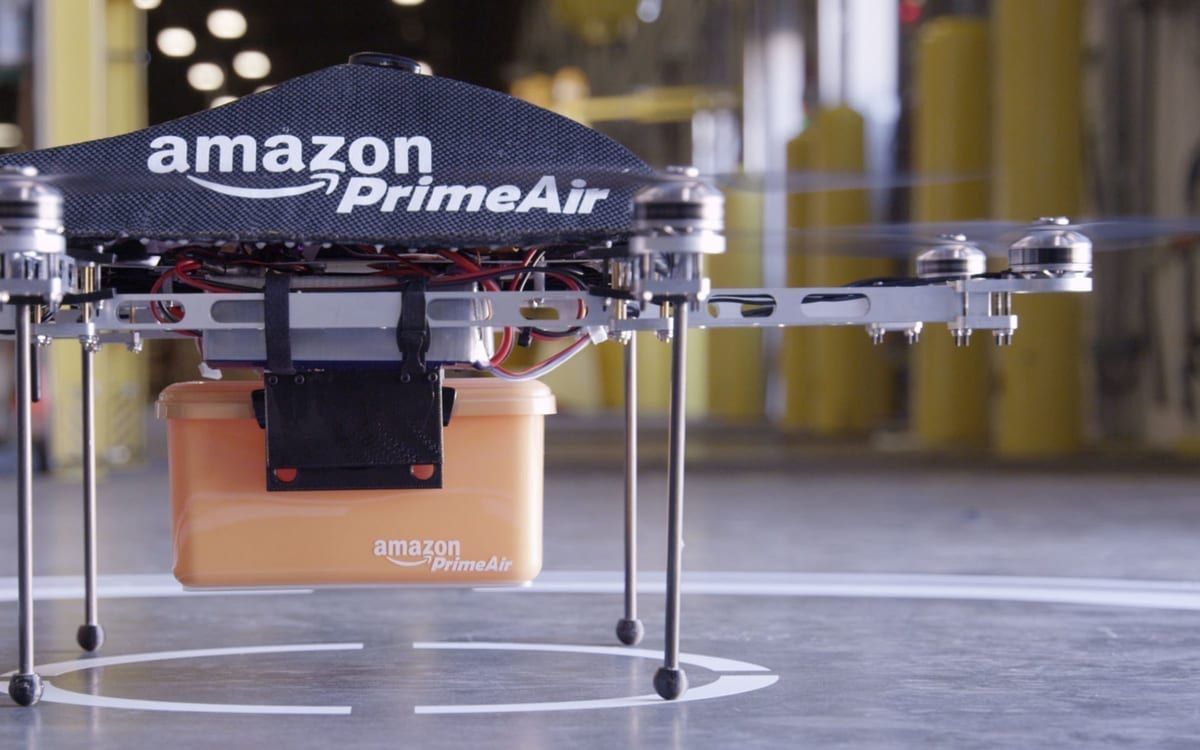
Massachusetts Drone Delivery Freeze: 16 Lawmakers Ask Healey
16 Massachusetts lawmakers asked Gov. Healey on Oct. 19, 2026 to freeze drone delivery certificates. MassDOT told Amazon it needs…
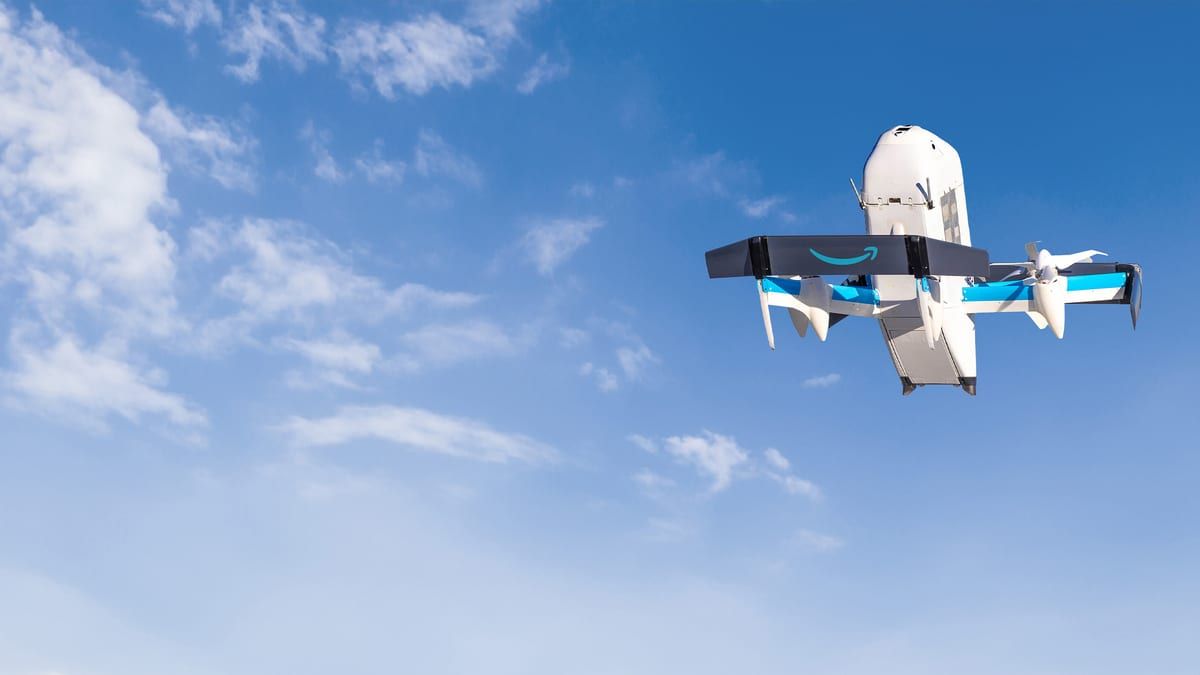
Amazon Drone Delivery Tallahassee: Mid-November Launch
Amazon Prime Air aims to start MK30 drone delivery in Tallahassee by mid-November, with up to 21 drones and a 7.5-mile range. Here…
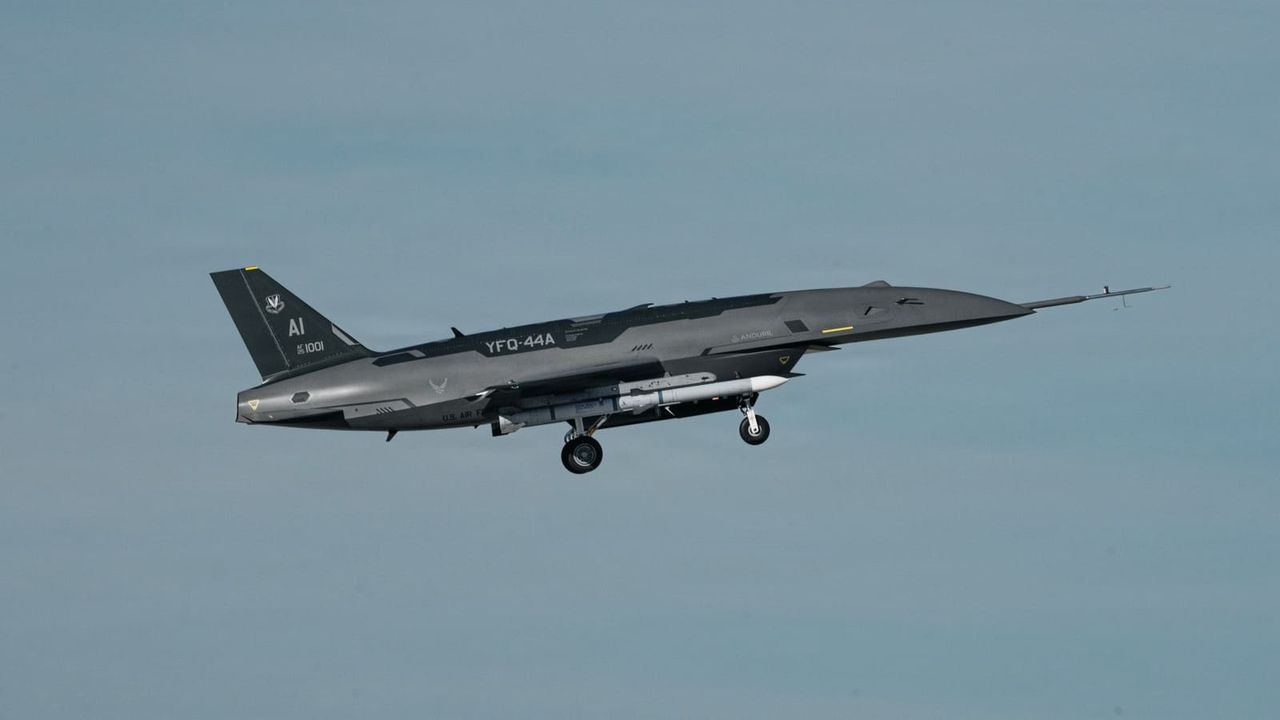
Ghost Shark Sea Mines and Altius Drone Swarms Unveiled
Australia revealed Ghost Shark payloads on Oct. 19: 12 sea mines, Altius loitering-drone swarms and seabed caches. Here's what the…