Agricultural Drones 2026: Best Models, Cost & FAA Rules
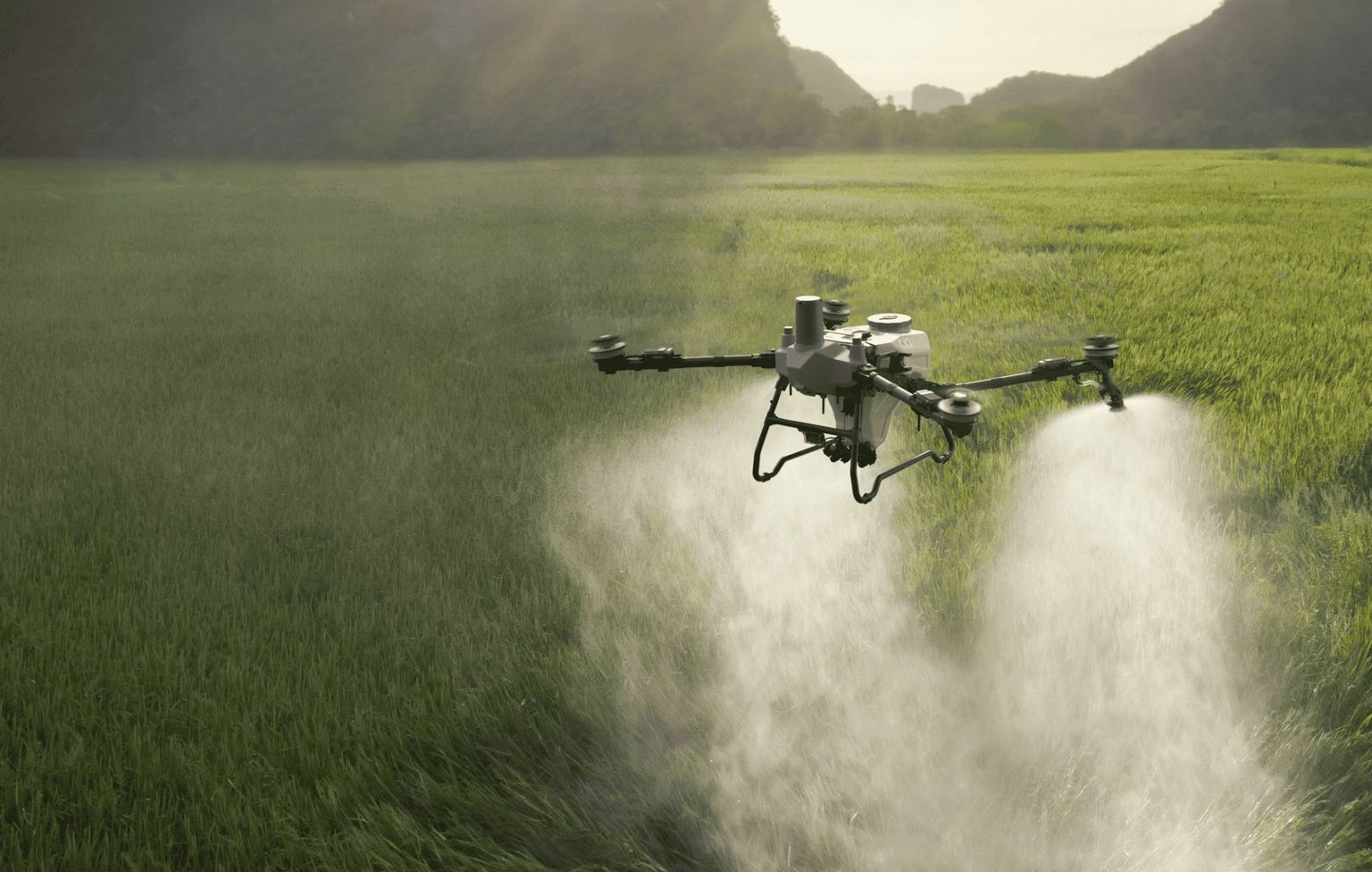
The US agriculture drone market is worth an estimated $506 million in 2026 and is projected to nearly quadruple to $1.76 billion within a few years, growing at roughly 23.5% a year. That growth is not hype: a mid-size spray drone covers 15 to 50 acres an hour, cuts chemical use by 30-50% compared to a ground rig, and needs no tractor, no soil compaction, and no crewed aircraft.
But buying one is not as simple as ordering a consumer camera drone. Agricultural drones require a separate FAA certificate on top of a standard remote pilot license, cost anywhere from $13,000 to $56,000 before accessories, and the market's dominant brand is currently caught in a US import dispute that affects which models you can actually buy new. This guide covers what an agricultural drone does, what the leading 2026 models cost, the licensing you need, and whether the math works for your acreage.
What Is an Agricultural Drone?
An agricultural drone is an unmanned aircraft built to apply liquid or granular inputs, or to capture crop-health imagery, over farmland at low altitude. Unlike a photography drone, it carries a reinforced frame, a tank or hopper, spray pumps, and calibrated nozzles, and most models fly on four to eight rotors to handle payloads of 20-50 liters or more.
Two distinct jobs fall under the same category. Spray drones apply pesticide, fungicide, or fertilizer at 2-5 meters above the crop canopy, following a pre-mapped flight path. Sensing drones carry multispectral or thermal cameras to generate NDVI (Normalized Difference Vegetation Index) maps that flag water stress, pest pressure, or nutrient deficiency before it is visible to the eye. Many operators run both roles from the same airframe by swapping payloads.
What Can Agricultural Drones Actually Do?
Precision spraying
This is the primary use case in the US and globally. The drone flies a programmed grid at 2-5 meters, dispensing product through calibrated nozzles while logging an application map for compliance records. Because the nozzles target the canopy directly rather than blanketing a field from a boom, growers report 30-50% less chemical used per acre versus ground rigs, with no wheel tracks and no soil compaction.
Crop monitoring and diagnostics
Multispectral sensors capture near-infrared and red-edge bands invisible to the naked eye, revealing water stress, disease, and nutrient gaps well before visual symptoms appear. This overlaps with the broader use of thermal imaging on drones for stress detection outside agriculture too, such as building and infrastructure inspection.
Aerial mapping and yield planning
Drones equipped with RTK (Real-Time Kinematic) positioning and high-resolution cameras generate centimeter-accurate orthomosaics and elevation models used for irrigation and drainage planning, variable-rate seeding maps, and yield forecasting. See the full aerial mapping and photogrammetry guide for how the underlying technology works.
Best Agricultural Drones in 2026
DJI's Agras line dominates the US and global market, but a growing share of American farms are turning to Texas-built Hylio drones, partly on price and partly because Hylio is not exposed to the FCC import restrictions currently affecting new DJI hardware (more on that below).
| Model | Tank / Payload | Coverage | Starting Price (USD) | Best For |
|---|---|---|---|---|
| DJI Agras T25 | 25 L liquid | 9 m spray width, ~15-22 ha/h | ~$13,000 | Small to mid-size farms, service operators |
| DJI Agras T40 | 40 L liquid / 50 kg solid | 16 ha/h, spreading kit included | ~$22,000 | Mixed spray + fertilizer spreading |
| DJI Agras T50 | 50 L liquid | 24 m width, ~21.6 ha/h | ~$33,000 | High-acreage row crops, commercial services |
| Hylio AG-272 | 18 gal (~68 L) | 40 ft swath, up to 50 ac/h | ~$56,000 (without kit) | Large operations wanting a US-built, non-DJI platform |
Dealer-configured kits (battery packs, charging cases, controllers) commonly add $5,000-$20,000 on top of the base drone price listed above — always price the full working kit, not just the airframe, before comparing brands.
Larger operations increasingly run two or more drones in a coordinated swarm rather than buying one bigger machine, since a fleet of mid-size units covers ground faster and keeps working if one aircraft needs maintenance. Several manufacturers, including Hylio, now sell swarm-capable software as standard, letting one licensed operator supervise multiple aircraft on the same field at once.
DJI's newer Agras T55 and T100 launched globally in July 2026 but, as of this writing, have no confirmed US price or ship date: both cleared FCC equipment authorization just before the agency added DJI to its Covered List in December 2025, which blocks approval of new DJI models in the US market. Already-certified models — the T25, T40, and T50 above — remain legal to buy and fly, but the pipeline for DJI's newest hardware is currently stalled for US buyers, which is part of why American-made alternatives like Hylio have gained attention through 2026.
How Much Does It Cost to Run an Agricultural Drone?
Drone spray services in the US average around $13-18 per acre for row crops as of 2026, with regional variation: the Corn Belt runs closer to $14-22/acre thanks to scale and competition, while specialty crops like vineyards and orchards run $18-35/acre. That is roughly on par with a ground rig once chemical savings are factored in — a typical comparison lands near $30-31 per acre either way, but the drone route usually wins on chemical reduction, labor, and avoided soil compaction.
Ownership costs beyond the sticker price include:
- Batteries: each pack lasts roughly 15-25 minutes per flight and costs $1,500-$3,000; a working fleet needs 4-6 packs plus a fast charger or charging case
- Maintenance: nozzles, pumps, and propellers wear from chemical exposure and need regular replacement — budget 5-8% of the drone's value per year
- Insurance: liability and hull coverage for commercial agricultural operations; see the drone insurance guide for how US liability coverage works
- Training and certification: covered in the licensing section below
Payback typically lands within 1-3 years for operations above roughly 200-300 acres with two or more applications per season, according to farm research citing per-acre ROI gains from reduced input use and labor. Below that scale, hiring a local drone spray service by the acre is usually cheaper than owning the hardware.
Do You Need a License to Fly an Agricultural Drone in the US?
Yes — flying an agricultural drone commercially in the US requires three separate credentials stacked on top of each other: an FAA Part 107 remote pilot certificate, an FAA Part 137 Agricultural Aircraft Operator Certificate, and a state pesticide applicator license with an aerial endorsement if you are dispensing pesticide.
FAA Part 107 is the baseline commercial drone certificate required for any paid drone flight in the US; see the full Part 107 licensing guide for the exam and renewal process. It alone is not enough to spray.
FAA Part 137 is the agricultural aircraft operator certificate that authorizes dispensing chemicals from an aircraft, drones included. It requires filing FAA Form 8710-3 and, for drones over 55 lbs, a concurrent Section 44807 exemption; the FAA's 2026 streamlined process routes applications directly to a dedicated certificates email rather than a local Flight Standards office, but processing still runs 90-180 days from a complete submission, so apply well before the spray season you're targeting.
State pesticide certification is the third pillar and is separate from the FAA entirely. Any operator applying restricted-use pesticides needs certification as a commercial applicator, typically in the "Aerial Applicator" category, through their state's department of agriculture. Requirements and exam categories vary by state, so confirm directly with your state ag department before your first commercial spray job.
Drone-only crop monitoring and mapping flights that don't dispense any product only require Part 107 — Part 137 and pesticide certification apply specifically to spraying and spreading operations.
Is an Agricultural Drone Worth It for Your Farm?
An agricultural drone pencils out fastest on farms above roughly 200-300 acres of medium-to-high-value row crops, orchards, or vineyards running three or more applications per season, or on properties where terrain, wet fields, or overhead obstacles limit ground rig or crewed-aircraft access. Below that scale, contracting a local spray-drone service by the acre usually beats owning and maintaining the hardware.
Worth buying if:
- You farm 200+ acres of medium-to-high-value crops with multiple applications per season
- Terrain, wet soil, or field shape restricts ground equipment
- You want to offer paid spraying or scouting services to neighboring farms
- You can access equipment financing — USDA EQIP has covered up to 75% of qualifying precision-ag equipment costs in some programs
Hire a service instead if:
- Your operation is under 100-150 acres with one application cycle a year — payback can run 5+ years
- No certified local operator or trainer is available and self-training costs would outweigh the benefit
- You farm low-value-per-acre commodity crops where the cost delta barely moves the margin
For most small operations, paying a certified local drone service by the acre is the more capital-efficient starting point before committing to ownership.
FAQ
Sources: FAA: Dispensing Chemicals and Agricultural Products (Part 137) with UAS | Nexdigm: USA Agriculture Drones Industry | Penn State Extension: How to Become an Aerial (Drone) Pesticide Applicator | Hylio: AG-272 Specifications
More like this
Related Articles
Drone Delivery in 2026: How It Works, Cost & Coverage
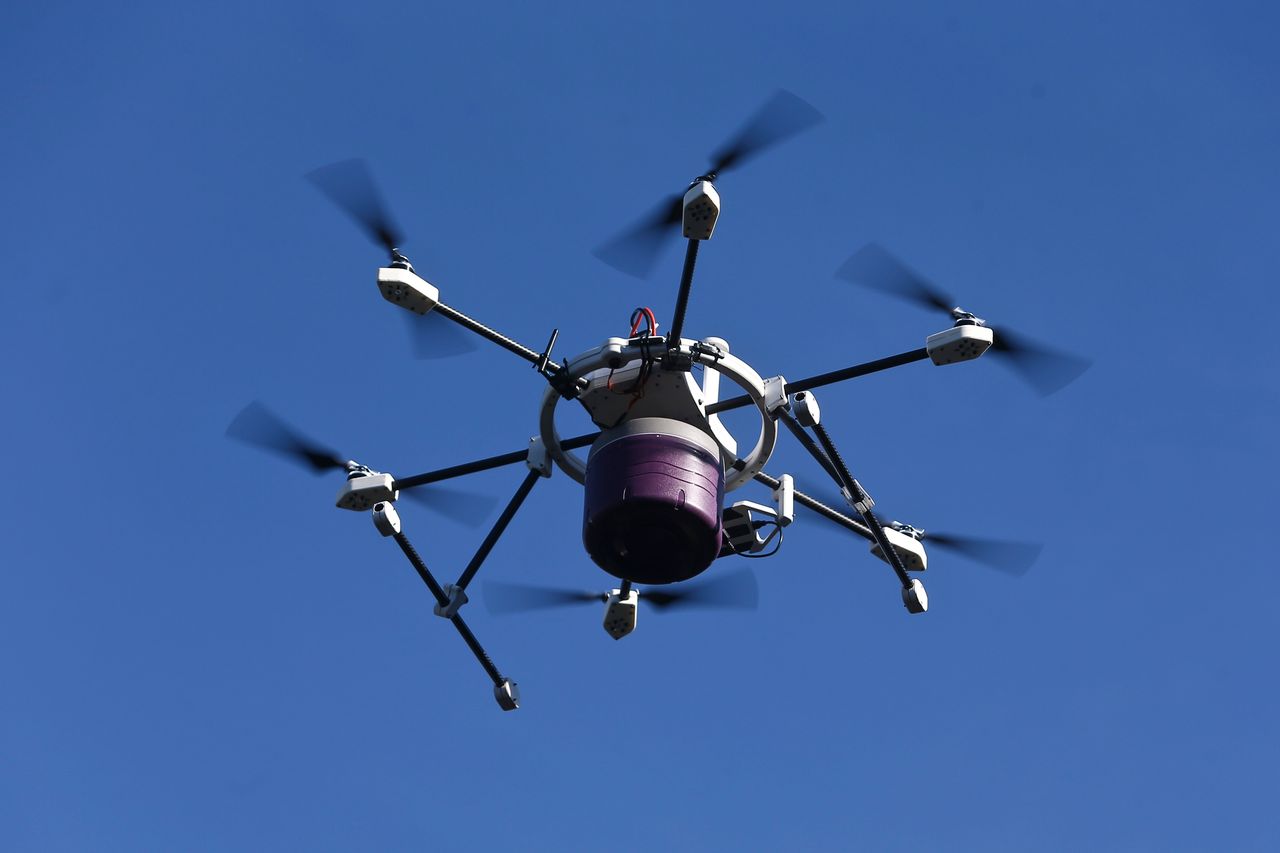
Drone delivery in 2026: how Amazon, Wing, Zipline, and DoorDash actually work, what deliveries cost, and how to check if the servi…
Is DJI Banned in the US? 2026 Status, Rules and FAQ
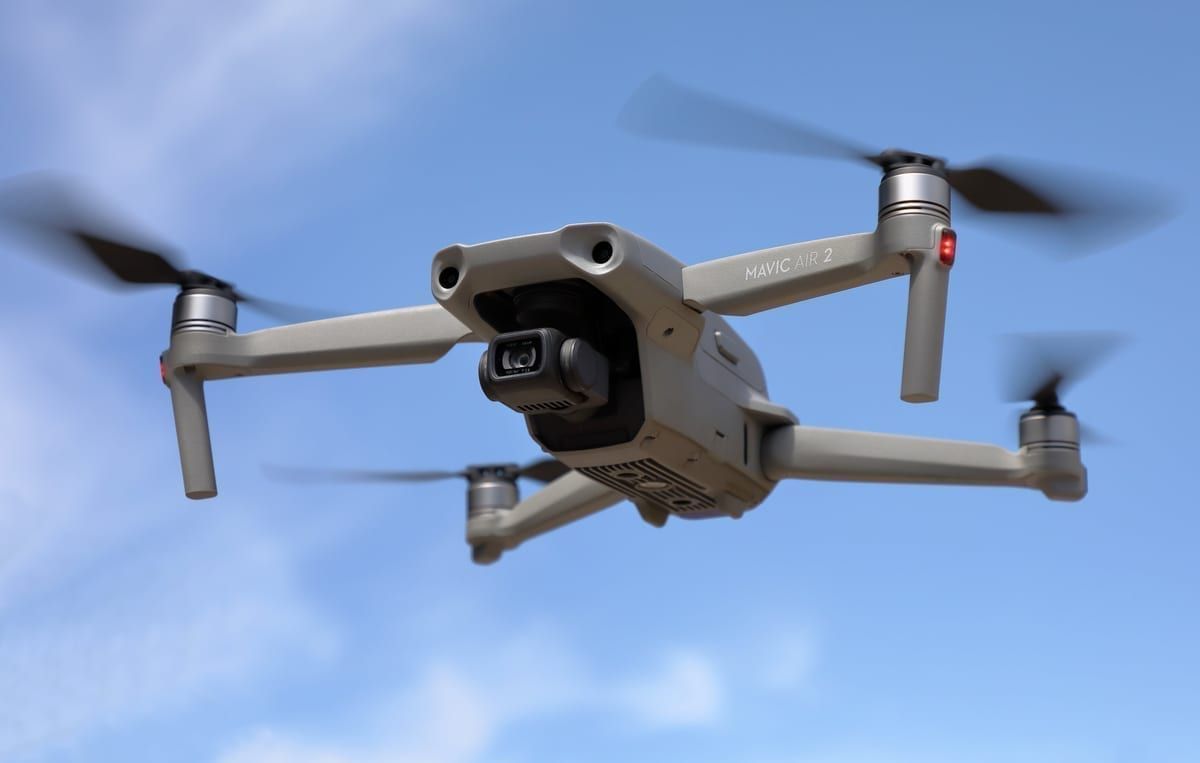
DJI isn't fully banned in the US, but new models can't get FCC approval. Here's exactly what's restricted, what's still legal, and…
Drone Pilot Career: Salary, Jobs & Licensing in 2026
US drone pilots earn $47,000-$137,000 in 2026 depending on sector. See real salary data, the industries hiring, licensing costs, a…