FCC Drone Ban Comments Close: 98.6% Say No (2026)
The public comment window on the FCC's proposed ban on "military-grade" foreign-made drones closed September 2, 2026, and a line-by-line review by Pilot Institute found that 3,770 of 3,824 readable filings—98.6%—opposed the rule as written, while only 16 supported it. The proposal, filed under PS Docket No. 26-189, would bar imports and sales of drones with thermal imaging, LiDAR, docking stations, spray equipment, swarming capability, or a weight over 55 pounds.
Background
The FCC maintains a "Covered List" of communications equipment it deems a national security risk, a list that already includes DJI and Autel. In July 2026, the agency proposed going further: banning the import, marketing, and sale of any foreign-made drone meeting six technical criteria, even models the FCC previously approved for the US market. PickDrones covered DJI's push for pilots to file comments ahead of the September 2 deadline.
PS Docket No. 26-189 is the FCC's internal case file number for this specific rulemaking proceeding; every public comment submitted on the proposal is logged under that docket. The comment period is a formal step required before the FCC can adopt, revise, or drop a rule.
What the Comment Count Shows
Pilot Institute, a drone training and advocacy organization, read every filing submitted to the docket—including 686 attachments and 22 scanned letters processed through optical character recognition—and coded each one against a fixed rubric covering the filer's overall position, filer type, and which of the FCC's specific questions they addressed.
Of the 3,829 total comments received, 3,824 contained readable text that could be classified:
| Position | Filings | Share |
|---|---|---|
| Opposed | 3,770 | 98.6% |
| Supported | 16 | 0.4% |
| Total readable | 3,824 | 100% |
The 16 filings in favor include one trade group, two venture investors, a think tank, and several domestic manufacturers that compete directly with the foreign-made aircraft the rule targets, according to Pilot Institute's analysis.
"The record is damning: small businesses say they will close, public safety agencies say lives will be lost, and the agriculture sector says this will hit crops and yield," said Greg Reverdiau, Pilot Institute co-founder, in the organization's writeup of the review.
What Happens Next
A lopsided comment count does not bind the FCC to a particular outcome—the agency can adopt, narrow, or abandon the proposal regardless of the tally—but federal rulemaking law requires it to substantively address the record before issuing a final order. If the FCC finalizes the rule as proposed, the resulting ban would take effect roughly 180 days after publication, putting real-world impact in early-to-mid 2027 at the earliest.
The rule's technical criteria sweep well past headline "military-grade" hardware. Public safety departments using thermal cameras, survey and mapping crews running LiDAR, and farms operating spray drones like the DJI Agras line would all be affected, alongside any drone over 55 pounds or paired with an automated docking station. For the regulatory landscape these rules sit inside, see our guide to US drone laws and the full rundown of DJI's model lineup, much of which falls under the proposal's technical criteria.
What This Means for Drone Pilots
US operators running affected hardware—public safety agencies, infrastructure inspectors, surveyors, and agricultural pilots—now enter a waiting period with no fixed timeline for a decision. Nothing changes for pilots today: current owners keep the right to fly drones they already own regardless of how the FCC rules, and the docket stays open to the public record even though the comment window has closed. Operators building a fleet or budgeting equipment purchases for 2027 should treat the outcome as unresolved and watch for the FCC's order rather than assuming either outcome. Pilots outside the US should also take note: similar "trusted supply chain" restrictions are already shaping procurement rules in the EU and among FAA-aligned regulators elsewhere, and a US precedent here tends to travel.
FAQ
More like this
Related Articles

China Drone Export Controls: Motors, Props From Nov 18
China will require export licenses for heavy-lift drone motors, propellers, autopilots and long-range drones from Nov 18. See what…

Ukraine 1,000-Drone Attack on Russia: What We Know
Russia says it downed 1,015 Ukrainian drones in one night as St. Petersburg's oil terminal burned. Here is what happened and what…
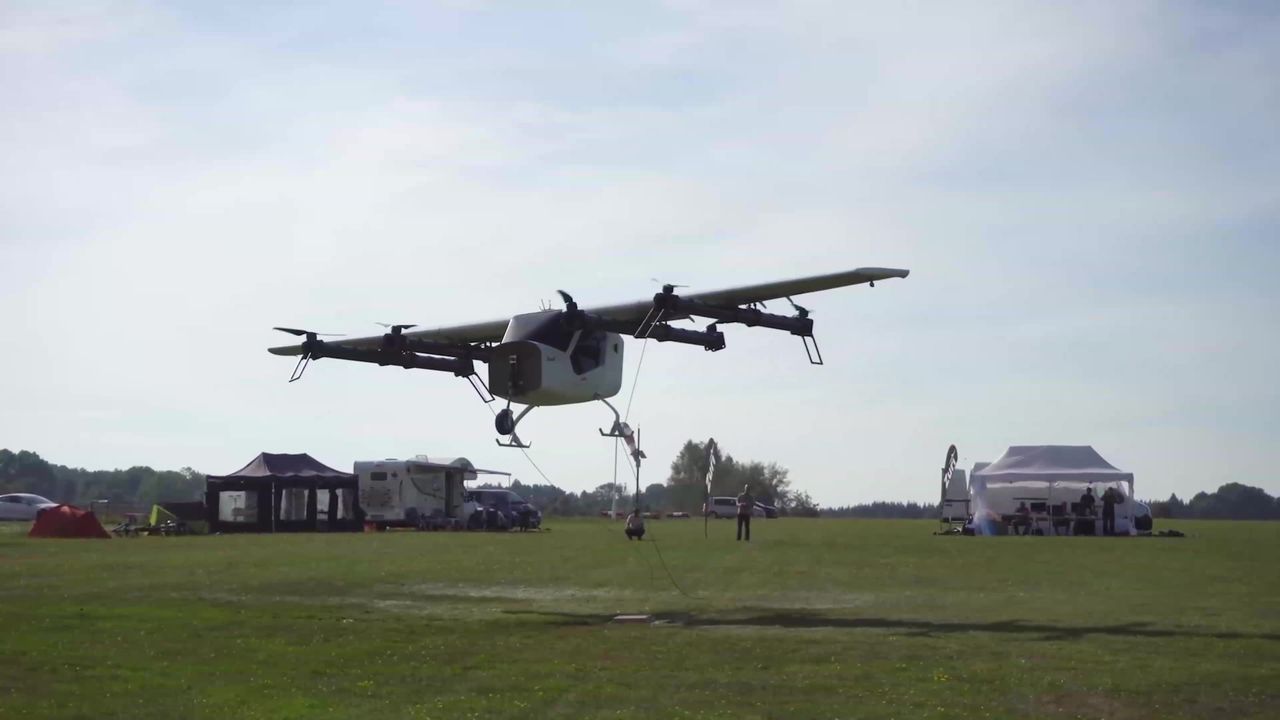
Ukraine Drone Evacuates Wounded Soldier in World First
Ukraine says a heavy hexacopter flew a wounded soldier 62 km from the front line, the first drone casualty evacuation. See the spe…