
Ukraine 1,000-Drone Attack on Russia: What We Know
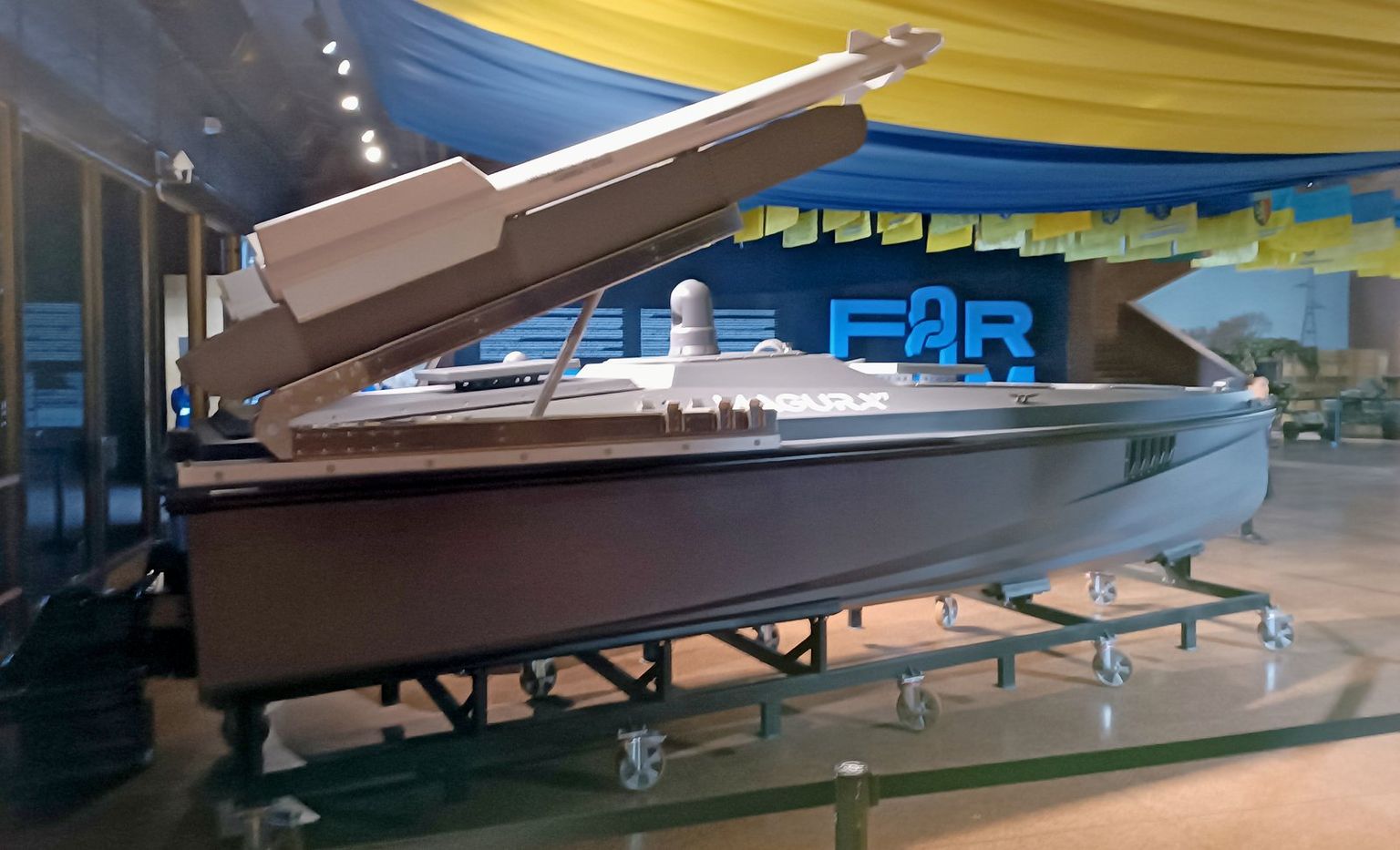
Ukraine launched more than 1,000 drones at Russia overnight on October 18, 2026, hitting an oil terminal, a data center and industrial warehouses in St. Petersburg. Russia's Ministry of Defense said it neutralized 1,015 drones across 15 regions, making it one of the largest drone attacks of the war. At least one person was killed and five were injured.
The strike came days after President Trump announced an "energy ceasefire" and held back new Russia sanctions, which makes the scale of the attack a diplomatic story as much as a military one.
What Happened in the Ukraine Drone Attack on Russia?
The Russian Ministry of Defense said its forces shot down 1,015 Ukrainian drones overnight over 15 Russian regions, Crimea and the Black Sea, according to Al Jazeera. Leningrad Governor Alexander Drozdenko said 145 of them were downed over his region alone.
In St. Petersburg, drones set fire to a major oil terminal, the Ruchyi oil depot and warehouses in the Kolpinsky district, per ABC News. Governor Alexander Beglov called the attack "massive" and confirmed one death and five injuries. Apartment buildings and houses were also damaged.
Key figures reported so far:
| Detail | Reported figure |
|---|---|
| Drones claimed neutralized by Russia | 1,015 |
| Russian regions affected | 15, plus Crimea and the Black Sea |
| Drones downed over Leningrad region | 145 |
| Casualties in St. Petersburg | 1 killed, 5 injured |
| Households without power in Leningrad region | About 20,000 people |
Flights at St. Petersburg's main airport were restricted "for safety reasons," according to Beglov. Two transformer substations in Yanino were also struck, per ABC News. Ozon reported a fire at its St. Petersburg logistics hub, and VK said a data center in the Leningrad region was attacked, though its services kept running.
All casualty and interception figures come from Russian officials and have not been independently verified.
Why Is the Scale of This Drone Attack Significant?
A raid of more than 1,000 drones in one night shows how far low-cost long-range drones have scaled. The number Russia claims to have shot down is also a measure of how much air-defense capacity a single wave can absorb. Each drone that must be intercepted consumes a missile, a gun burst or an electronic-warfare effort.
Ukraine had paused refinery strikes under pressure from Trump after the "energy ceasefire" announcement, ABC News reports, and the Kremlin never abided by it. Ukrainian President Volodymyr Zelenskyy said Russia carried out at least 76 attacks on Ukrainian energy, oil and gas targets in the past week, using almost 2,700 attack drones, 1,700 aerial bombs and 66 missiles.
If you want the background on the aircraft involved, our guide to the types of drones explains how fixed-wing long-range attack drones differ from the multirotors most hobbyists fly. The history of drones traces how military UAVs got here.
How Did Washington React?
Trump criticized Ukraine's strikes on Russian oil infrastructure and defended his decision to hold new sanctions on Moscow. He said he did not want to drive Russia "away from the bargaining table," according to Al Jazeera, which also noted bipartisan criticism that the position favors Moscow.
Zelenskyy said the United States "should see" that Russia is not reciprocating, and called siding with Moscow a "historic mistake." He added that US-Ukraine intelligence sharing had resumed after being blocked for a period.
The tension sits against a backdrop of growing US-Ukraine drone ties. See our coverage of the US-Ukraine drone cooperation agreement and the Germany-Ukraine interceptor drone deal.
What This Means for Drone Pilots
The attack does not change any civilian rules, but it has practical effects:
- Airspace closures: Large raids trigger airport restrictions and no-fly measures in Russia and neighboring states. Pilots near conflict zones, including the Baltic and Black Sea regions, should check local NOTAMs and national bans before flying.
- Counter-drone policy: Mass-drone events accelerate government spending on detection and interception. That tends to spill over into stricter rules and more enforcement against civilian drones near sensitive sites.
- Supply and technology: Battlefield demand drives advances in autonomy, jamming resistance and cheap long-range airframes. Some of that technology later reaches commercial products.
Civilian pilots in the US, EU and UK are not directly affected, but conflicts like this are why authorities keep tightening restrictions around critical infrastructure.
FAQ
Sources: Al Jazeera | ABC News
More like this
Related Articles
Jovistar FCC Drone Approval Dismissed: DJI Shell Exits
Jovistar, a suspected DJI front company, asked TÜV to dismiss its own FCC drone approval on Oct. 8, 2026. Here's what happened and…
Portland Drone Hub Moratorium: 11-0 Vote Targets Amazon
Portland's council voted 11-0 on Oct. 14, 2026 to start a possible moratorium on drone delivery hubs. Here is what it changes for…
Dominion Energy Adds 100 Skydio Docked Drones (2026)
Dominion Energy is adding 100 Skydio docked drones to its fleet, per CEO Adam Bry. See what the utility says it saves, how pilots…