FCC DJI Drone Ban: Comment Deadline Is Sept 2, 2026
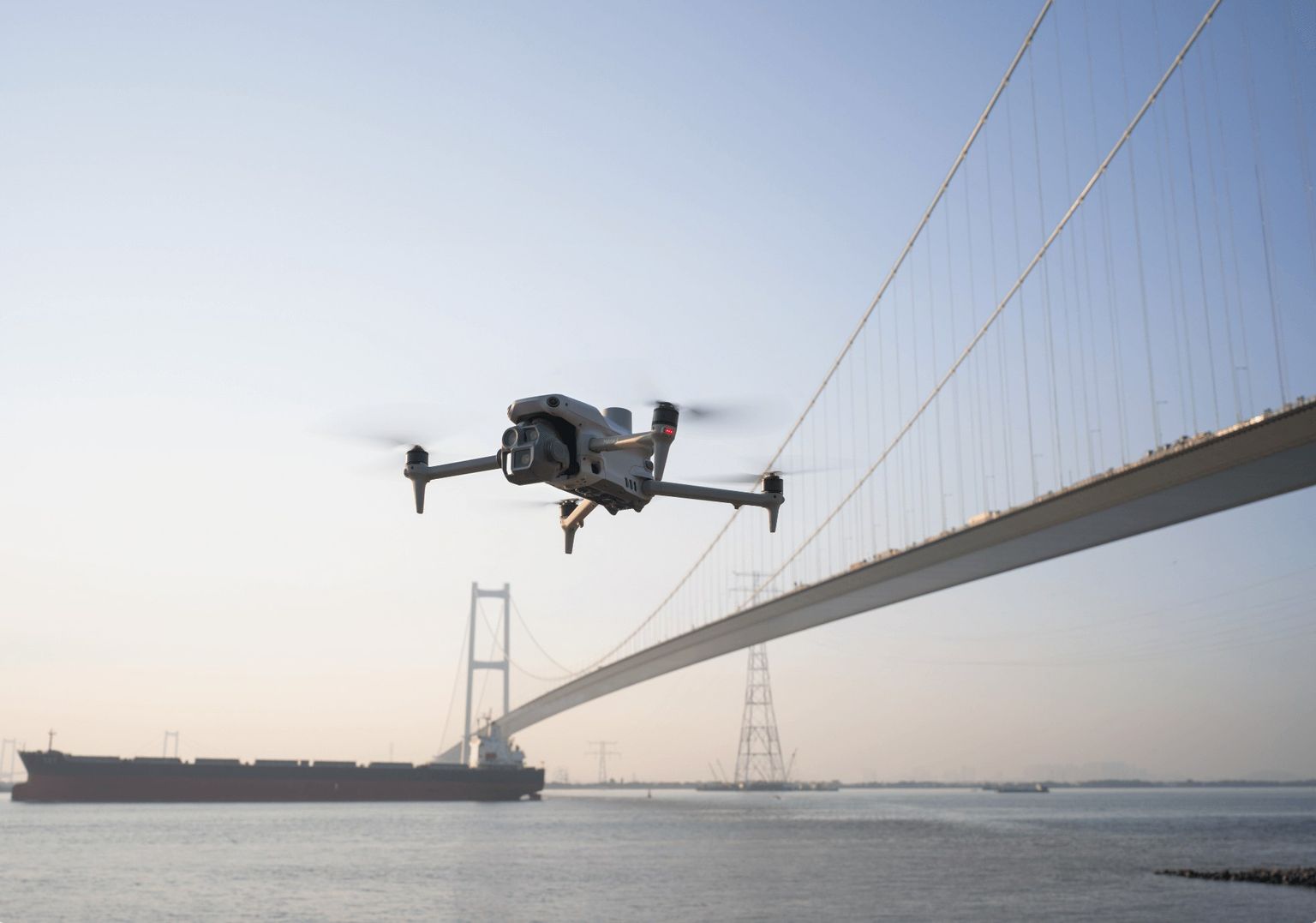
DJI is urging every American drone pilot who relies on its enterprise hardware to file a public comment with the FCC before September 2, 2026. The agency is weighing a rule that would retroactively ban imports and sales of DJI drones the FCC itself already approved, including the Matrice 400 and the DJI Dock 2.
DJI published the call to action on its Viewpoints blog and on social media on August 7, 2026, directing operators to a step-by-step filing guide from the Drone Advocacy Alliance. The company says the FCC's proposed definition is broad enough to sweep up equipment far beyond the "military-grade" drones it claims to target.
Background
The Federal Communications Commission (FCC) maintains a "Covered List" of communications equipment it considers a national security risk, largely aimed at Chinese-made electronics. On July 21, 2026, the FCC proposed expanding that authority to ban the import, marketing, and sale of drones meeting six technical criteria, in a rule that names DJI directly.
What changed on August 7 is the scope and the clock. DJI says the new draft language would not just block future products — it could retroactively bar the sale of models the FCC previously cleared for the US market, even though current owners could keep flying the drones they already own. With the public comment window closing in less than four weeks, DJI is asking pilots to make the case directly to regulators rather than wait for the outcome.
For background on the wider onshoring push behind these rules, see our complete guide to DJI drones and how it fits into current US drone regulations.
What the FCC Proposal Would Cover
The FCC's draft definition targets equipment by capability, not by name, which is why DJI says the practical impact would extend well past headline-grabbing "military-grade" hardware. According to DJI and reporting from PetaPixel, the rule as proposed would apply to:
| Capability | Example products at risk |
|---|---|
| Thermal imaging | Public safety and inspection platforms |
| LiDAR sensing | Enterprise mapping drones; consumer obstacle-avoidance systems |
| Aerosol/spray dispensing | DJI Agras agricultural drones |
| Docking stations | DJI Dock 2 and similar autonomous charging hubs |
| Weight over 55 lb (25 kg) | DJI FlyCart and other heavy-lift platforms |
DJI specifically flags the Matrice 400 and Dock 2 as products that would be affected, since both combine several of the listed capabilities. The company also notes the rule is written broadly enough to catch consumer drones that use LiDAR purely as a collision-avoidance safety feature, not for any military application.
Pilots who already own an affected drone would not lose the ability to fly it. But according to DJI, the products would disappear from retailers and from DJI's own site if the FCC finalizes the order, and unsold US inventory could have to be written off — a scenario that would also cut off replacement parts and future units for growing fleets.
How to File a Comment
DJI is directing operators to the Drone Advocacy Alliance, which built a guided form for submitting comments to the FCC docket. DJI's own advice for what makes a comment effective:
- Describe how you use the affected drone (inspection, mapping, spraying, public safety, etc.)
- Explain why the specific capability — thermal, LiDAR, dock, payload — matters to that work
- State how losing access to the product would affect your operation or your community
- Note whether a comparable US-made alternative is actually available to you today
DJI says comments that are personal and grounded in real operating experience carry more weight with the agency than form-letter submissions. The deadline to file is September 2, 2026.
What This Means for Drone Pilots
Any US-based commercial operator running DJI enterprise hardware — public safety departments, infrastructure inspectors, surveyors, and agricultural operators — has a direct stake in this proceeding. The comment period is the last formal opportunity to shape the rule before the FCC votes on a final order.
This escalation follows two other FCC actions PickDrones has covered this summer: the initial July 21 proposal targeting DJI and Autel by name, and the July 27 decision to make Covered List exemptions permanent for 17 US-onshoring manufacturers. Together, the three actions show the agency moving on parallel tracks — clearing a path for domestic and allied drone makers while tightening restrictions on Chinese-made equipment already in the field. Pilots outside the US should also watch this proceeding: similar "trusted supply chain" arguments are already shaping procurement rules in the EU and among FAA-aligned regulators elsewhere.
FAQ
Sources: DJI Viewpoints | PetaPixel
More like this
Related Articles
Drones Shut Luxembourg Airport, 19 Flights Diverted
Unidentified drones shut Luxembourg Airport for over 4 hours on Sept. 18, 2026, diverting 19 flights — what happened, the response…
Pentagon Drone Gauntlet II Results: Neros Tops Both Boards
Neros topped both Pentagon Drone Gauntlet II boards on September 19, 2026, as UK rival Skycutter fell to fourth in the Pentagon's…
EASA Proposes Cutting Drone Registration to 100g in 2026
EASA's new Opinion 06/2026 would drop the EU drone registration and Remote ID threshold from 250g to 100g, matching the UK. Here's…