Zipline Asks FAA for 220,000 Texas Deliveries a Day
Zipline filed a draft environmental assessment with the FAA on September 11, 2026, requesting authorization to run up to 220,000 drone deliveries a day across five Texas metropolitan areas — Houston, San Antonio, Austin, Amarillo, and El Paso. The proposal would cover 17,584 square miles with 220 Charger launch stations and 4,400 Dropbox delivery kiosks, operating around the clock, year-round, with no seasonal restrictions.
Background
Zipline already flies in Texas under narrower FAA authorizations. The company launched its Dallas-Fort Worth (DFW) operation in August 2025, added Houston on April 29, 2026, and announced Austin in June 2026. Each of those approvals came with strict daily caps tied to specific sites.
The FAA authorized DFW in December 2025 for up to 75 delivery sites at 400 deliveries each, a combined ceiling of 30,000 deliveries a day. The new draft filing — covering five metros instead of one — asks for more than seven times that volume in a single environmental review, making it the largest drone delivery request the agency has evaluated to date.
The filing was made under the National Environmental Policy Act (NEPA), the federal process that requires an environmental review before agencies approve large-scale infrastructure or operational changes, including expanded drone flight authorizations. Zipline operates under a Part 135 air carrier certificate, the FAA classification that permits scaled commercial drone delivery, including flights beyond visual line of sight (BVLOS) — meaning the pilot does not need to keep the aircraft in sight and instead relies on automated systems and remote monitoring.
What the Draft Filing Covers
The draft environmental assessment, posted to the FAA's NEPA drone docket, sets a ceiling of 660,000 individual flight legs a day to support the 220,000-delivery target — accounting for the launch, cruise, and return legs each drone flight generates. Public comments on the draft are open through October 11, 2026, alongside two other reviews that remain unresolved: a U.S. Fish and Wildlife Service consultation opened August 28, and a review by the Texas State Historic Preservation Officer.
One detail flagged in the draft has drawn early scrutiny: wildlife refuges within the five-metro coverage area are not currently included in Zipline's flight restrictions, meaning the drones could legally operate over protected habitat unless the FAA amends the final assessment.
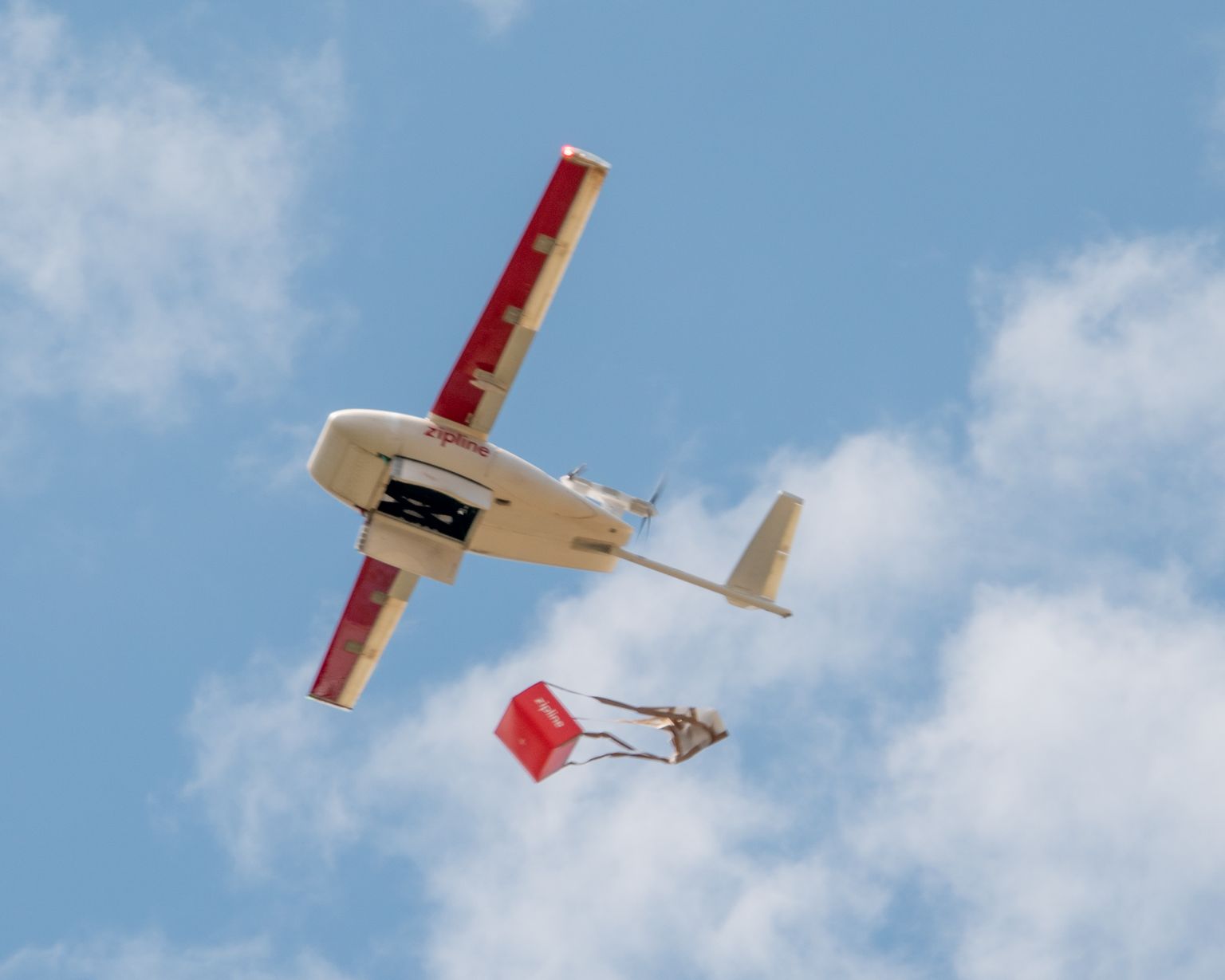
Zipline's P2 delivery aircraft is a fixed-wing hybrid that cruises to a delivery point and lowers packages by tether or parachute rather than landing, which is part of why the company can propose such a large operating footprint from a comparatively small number of physical sites.
| Approval | Metros covered | Sites | Daily deliveries |
|---|---|---|---|
| DFW (Dec. 2025) | 1 | 75 | 30,000 |
| Texas draft filing (Sept. 2026) | 5 | 220 Chargers / 4,400 Dropboxes | 220,000 |
| Wing Houston (Aug. 2026) | 1 | up to 75 | 30,000 |
How This Compares to Other Approved Operations
Zipline's request dwarfs the daily volumes the FAA has approved for competitors so far. Wing's Houston authorization, cleared in August 2026, permits up to 30,000 deliveries a day. Amazon's Prime Air network in Texas spans 22 centers under a separate authorization secured in February 2026, though Amazon has not disclosed a single combined daily ceiling for that footprint.
Zipline says it has completed more than 2 million total deliveries across four continents — a footprint that started with medical and blood-supply logistics before expanding into retail and food delivery — and it signed a partnership with Uber Eats earlier in 2026 aimed at reaching 1 million drone deliveries a day system-wide by the end of 2029. The Texas filing is the clearest sign yet of how the company intends to hit that target: concentrate authorization requests in a small number of states with favorable regulators rather than filing city by city.
What This Means for Drone Pilots
This filing does not change day-to-day rules for recreational or Part 107 commercial pilots — it is a company-specific Part 135 operating specification, not a new airspace rule. But it matters to the wider industry as a signal of how far the FAA is willing to stretch case-by-case BVLOS approvals while the agency's broader Part 108 BVLOS rule, which would create a standardized framework for all operators, remains stuck in federal review.
Pilots and businesses in the five affected metros should expect a visible increase in low-altitude drone traffic if the assessment is finalized, particularly near Charger stations and along Zipline's flight corridors. Anyone flying recreationally or commercially in those areas should watch for updated temporary flight restrictions or altitude deconfliction guidance as Zipline's network expands. The comment period, open through October 11, 2026, is also the public's only formal opportunity to raise concerns — including the wildlife refuge gap — before the FAA issues a final decision.
FAQ
Sources: DroneXL | FAA Draft Environmental Assessment
More like this
Related Articles
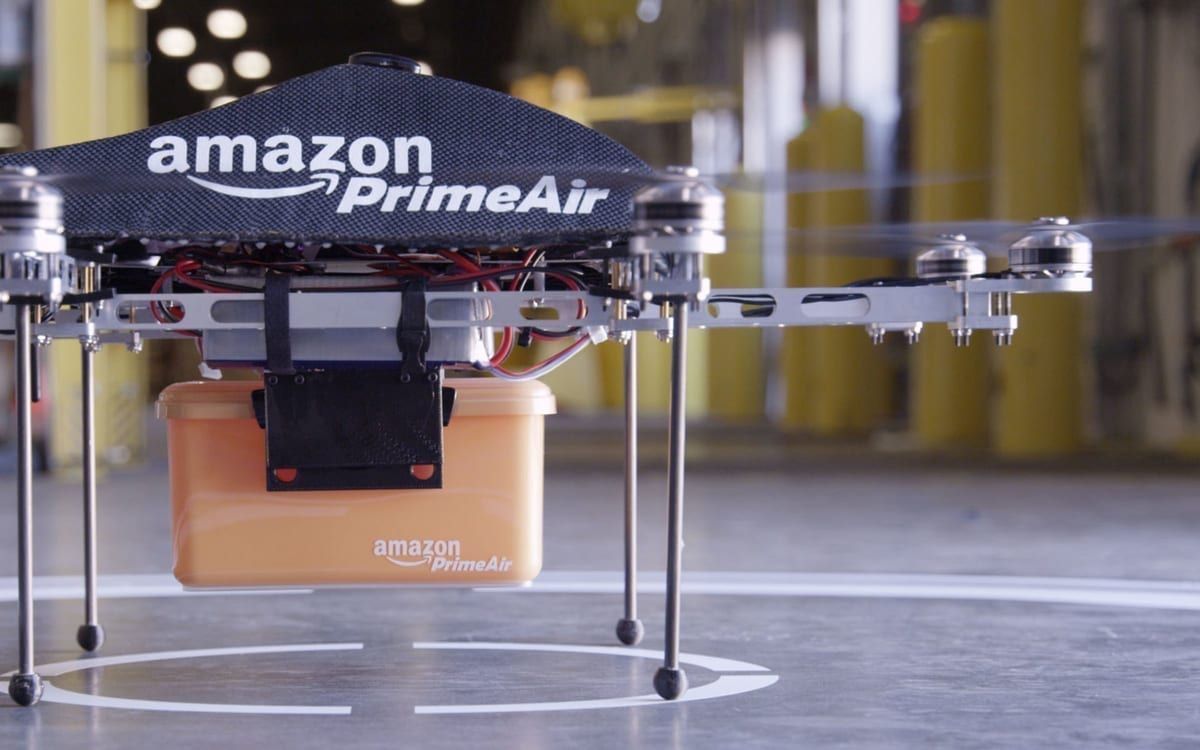
Amazon Seeks CAA Approval for Town-Wide UK Drone Delivery
Amazon has flown 500+ Prime Air deliveries in Darlington and wants CAA approval to cover the whole UK town — a key test case for w…
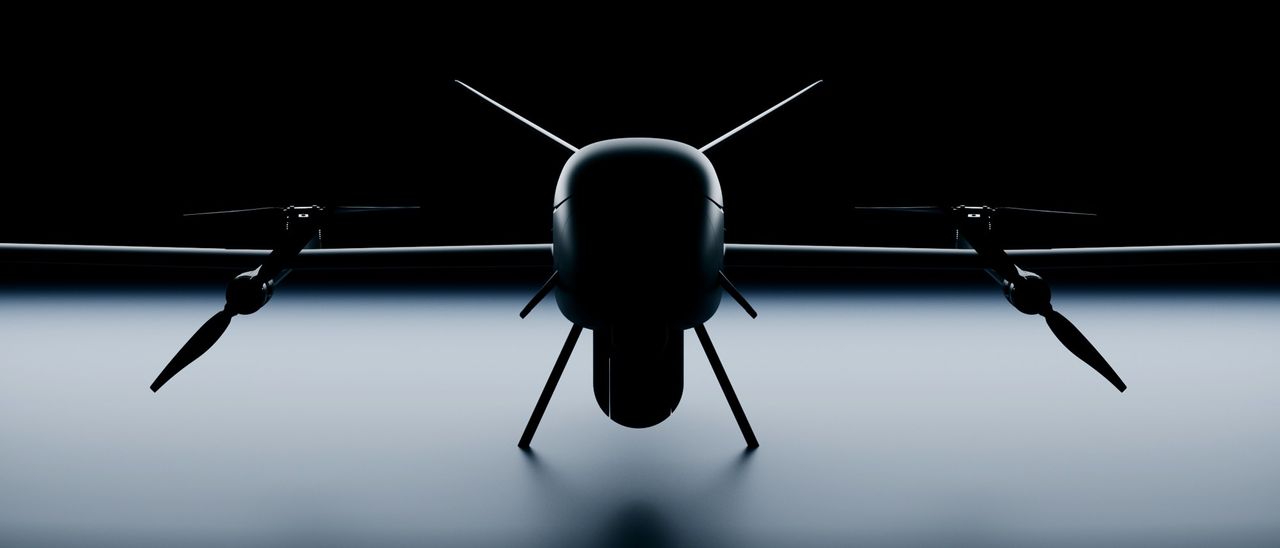
Wingcopter 262: 6-Hour Tactical eVTOL Debuts for Defense
Wingcopter unveiled the 262, an all-electric eVTOL with 150 km range and 6-hour endurance, built with Ukraine's TAF Industries for…
FCC Drone Rule Is Official: Amazon Must Show FCC IDs
The FCC equipment rule hit the Federal Register Sept. 11 and takes effect Oct. 13. Drones escape the component ban, but online sto…