
FCC Blocks First Devices Under Chip Ban: HiSilicon Case
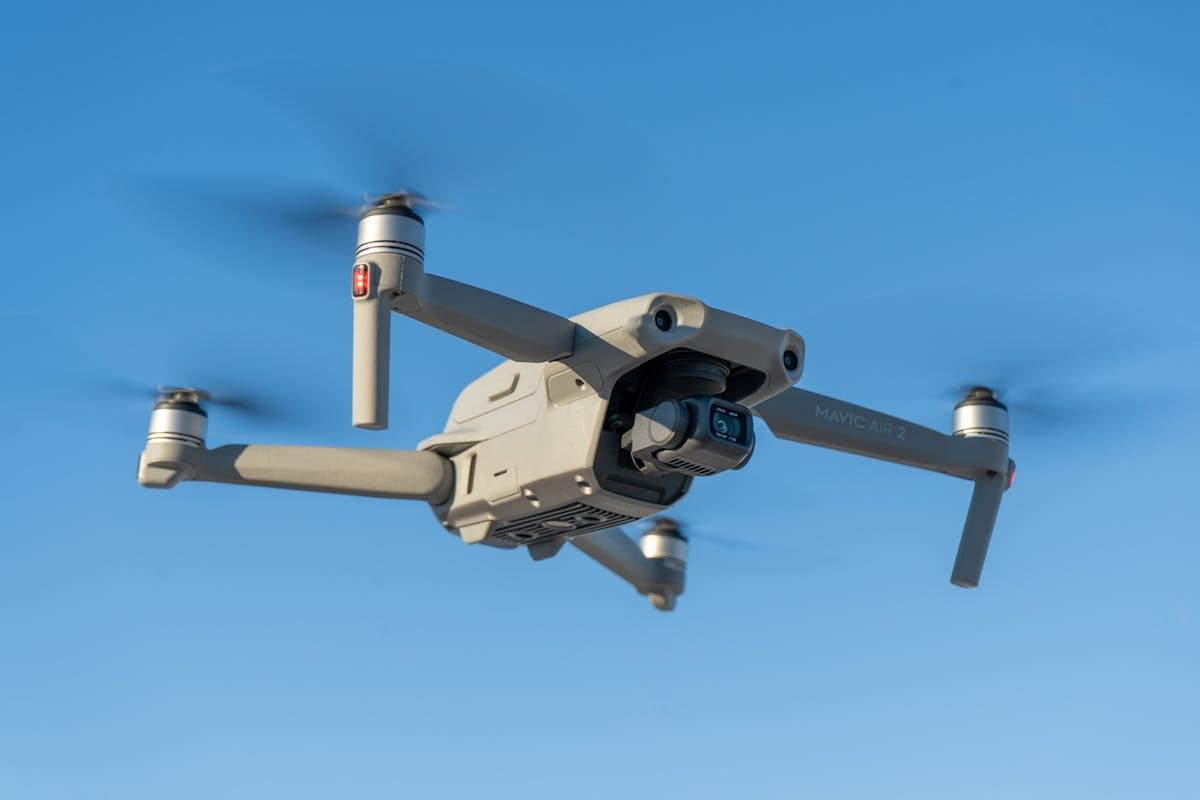
The FCC announced on October 22, 2026, its first enforcement of the new Covered List component rules, blocking a dashboard camera and a wireless video transmitter from the US market because each contained a chip made by HiSilicon, Huawei's chip design subsidiary. The rules took effect October 13 and also apply to drones with DJI or Autel logic-bearing parts.
Neither device had been authorized before the decision, and the FCC named no manufacturer, model, or part number, according to DroneXL's report on the release.
What Did the FCC Block, and Why?
The FCC's Office of Engineering and Technology (OET) refused authorization to two products: a dashboard camera and a wireless video transmitter. Each contained a HiSilicon system-on-chip. The agency quoted HiSilicon's own marketing, which describes the chip as "designed for the surveillance market" and lists built-in face detection.
Chairman Brendan Carr called such video devices "an obvious and unacceptable risk to the nation and our people," per the FCC news release.
The legal path is short. Huawei has been on the FCC's Covered List since March 12, 2021, and a footnote on the list says named producers include their subsidiaries and affiliates. That puts HiSilicon chips inside the rule, regardless of what the chip actually does.
Background: The Component Rule Explained
The Covered List is the FCC's roster of communications equipment and services deemed a national security risk. Equipment from listed producers cannot receive new FCC equipment authorization, which is required to legally market radio-emitting devices in the US.
For years the ban applied to finished products. Under the Third Report and Order (FCC 26-50), adopted July 22, 2026, it now reaches logic-bearing components: chips and modules that process data, such as flight controllers and radio boards. We covered the drone-specific effects in our explainer on the DJI and Autel chip ban.
Key points of the rule, as reported:
- It took effect October 13, 2026.
- It is prospective: equipment authorized before October 13 keeps its approval.
- Applications pending on October 13 are exempt unless a logic-bearing component later changes.
- Foreign-produced data transmission devices are treated as critical components.
- A Further Notice asks whether applications should include a hardware and software bill of materials.
What the First Case Does and Does Not Tell Us
The case answers one question: the FCC will apply the producer-identity test to subsidiaries and chip designers, not just to well-known brands.
Several things remain unknown. The release does not explain how OET found the chips, whether through applicant disclosure or internal certification photos. It also does not say whether the video transmitter was built for drones. DroneXL's editor-in-chief Haye Kesteloo, in an opinion portion of his report, supports the outcome but argues the FCC should publish FCC IDs or grantee codes so manufacturers can see exactly what was refused.
| Item | Detail |
|---|---|
| Announced | October 22, 2026 |
| Blocked devices | Dashboard camera, wireless video transmitter |
| Chip maker | HiSilicon (Huawei subsidiary) |
| Listed since | March 12, 2021 (Huawei) |
| Rules effective | October 13, 2026 |
| Prior authorizations | Unaffected |
What This Means for Drone Pilots
The direct effect is on manufacturers and importers, not on pilots who already own drones. Equipment authorized before October 13 stays legal to own, fly, and sell. For background on current legality, see our guide on whether DJI is banned in the US.
The practical impact shows up in the supply chain:
- New US-built drones with a DJI or Autel flight controller or radio module cannot receive new authorization.
- Video transmission gear, including FPV and analog or digital video links, is now in scope if it uses a Covered List chip.
- Accessory makers sourcing low-cost surveillance-grade SoCs face the same screening.
- Buyers should expect fewer new low-cost options and more attestation paperwork behind new FCC IDs.
If you fly under US rules, it is also worth reviewing US drone laws when a new device arrives.
FAQ
Sources: DroneXL | FCC News Release, Oct. 22, 2026 | FCC Covered List | FCC 26-50
More like this
Related Articles
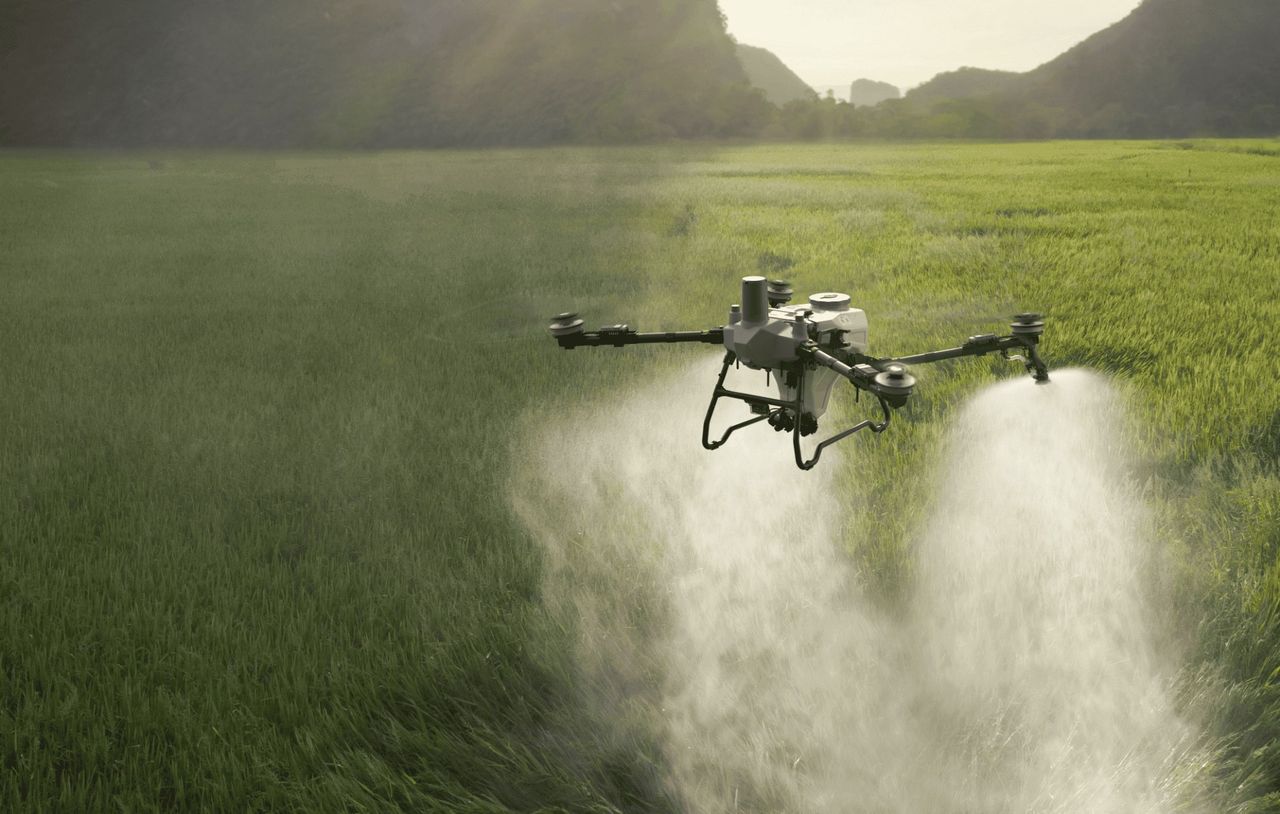
Spray Drone Sales Fell 59% as FCC Ban Looms (2026)
US spray drone sales fell 59% in 2025, the American Spray Drone Coalition says, and it wants the FCC to exempt Part 137 drones fro…
Massachusetts Drone Delivery Freeze: 16 Lawmakers Ask Healey
16 Massachusetts lawmakers asked Gov. Healey on Oct. 19, 2026 to freeze drone delivery certificates. MassDOT told Amazon it needs…
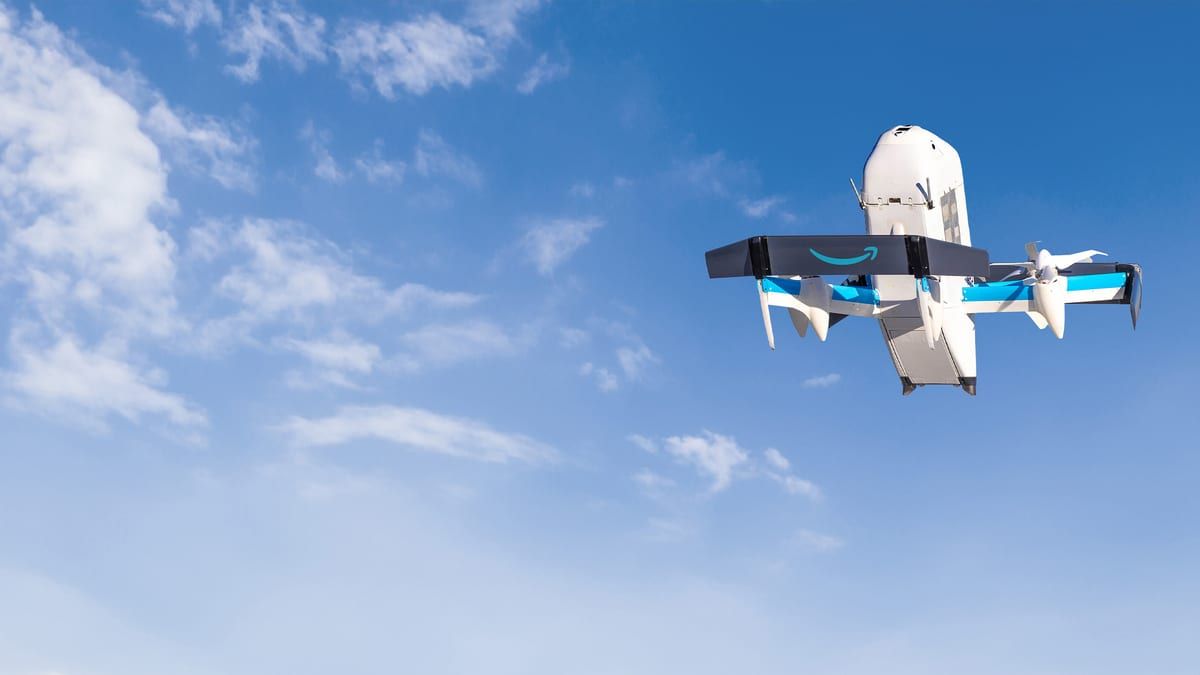
Amazon Drone Delivery Tallahassee: Mid-November Launch
Amazon Prime Air aims to start MK30 drone delivery in Tallahassee by mid-November, with up to 21 drones and a 7.5-mile range. Here…