What Is BVLOS? Beyond Visual Line of Sight — 2026 Guide
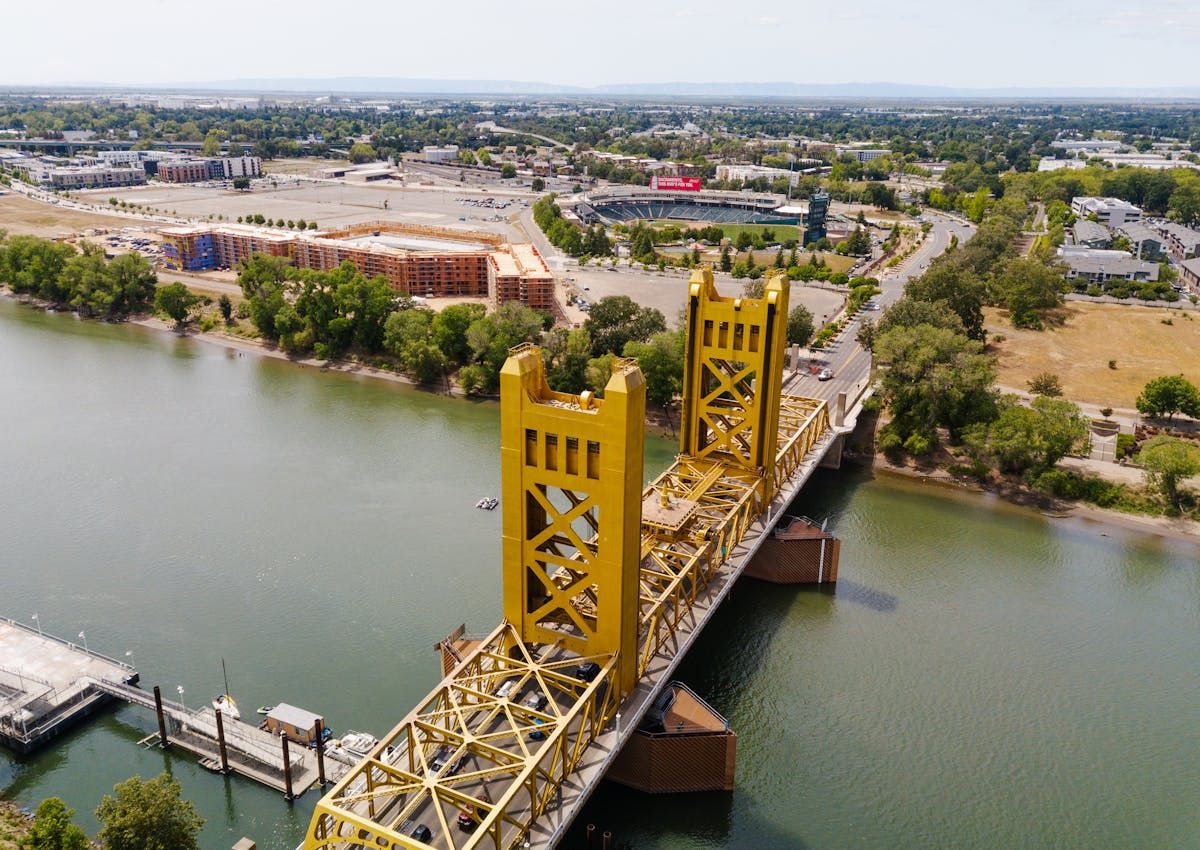
BVLOS is one of the most important concepts in commercial drone flying, and it is the single biggest barrier between today's drone industry and its future. Whether you are a commercial operator, an enthusiast, or just trying to understand drone delivery headlines, knowing what BVLOS means explains why some drone operations are routine and others still require special government approval.
This guide defines BVLOS in plain language, explains why regulators treat it so cautiously, and covers what is changing in 2026 with the FAA's proposed Part 108 rule, the regulation that could finally make BVLOS routine in the United States.
What Does BVLOS Mean?
BVLOS (Beyond Visual Line of Sight) is any drone flight where the remote pilot cannot see the aircraft with their own eyes. The opposite is VLOS (Visual Line of Sight), where the pilot keeps the drone in direct, unaided view at all times, which is the default requirement for most drone operations worldwide.
The distinction matters because line of sight is the primary way a pilot avoids other aircraft and obstacles. Once the drone flies beyond visual range, behind a building, over the horizon, or miles down a pipeline, that safety mechanism disappears and must be replaced by technology and procedures. That is why regulators treat BVLOS as a higher-risk operation requiring extra approval.
BVLOS vs VLOS: The Key Differences
| Aspect | VLOS | BVLOS |
|---|---|---|
| Pilot sees the drone | Yes, unaided | No |
| Typical range | A few hundred meters | Kilometers |
| US approval needed | Standard Part 107 | Waiver (or future Part 108) |
| Collision avoidance | Pilot's eyes | Detect-and-avoid systems |
| Main use cases | Photography, inspection on site | Delivery, long pipelines, mapping |
Under current US rules, a Part 107 certificate covers VLOS flights. BVLOS requires either a specific FAA waiver or, soon, compliance with the new Part 108 framework.
Why BVLOS Matters: The Use Cases
BVLOS is what unlocks the drone operations with the highest economic value, because they cover distances no line-of-sight flight can reach:
- Drone delivery: packages, medical supplies, and food flown directly to customers, the model used by Zipline, Wing, and Amazon Prime Air.
- Linear infrastructure inspection: power lines, pipelines, railways, and roads inspected for kilometers in a single flight.
- Agriculture: large-scale crop monitoring and spraying across farms too big to cover within visual range.
- Public safety: search and rescue, disaster mapping, and first-response over wide areas.
Without BVLOS, every one of these has to stop where the pilot's vision does. With it, a single operator can cover an entire region.
How to Fly BVLOS Legally in the US
Today, flying BVLOS in the United States requires an FAA waiver under Part 107, granted case by case. The operator must prove that their aircraft, technology, and procedures keep the operation safe without direct visual contact, typically using:
- Detect-and-avoid (DAA) systems that sense and steer clear of other aircraft.
- Remote ID broadcasting the drone's position at all times.
- Continuous command-and-control links with reliable connectivity.
- Defined operating volumes and trained, certificated crews.
Waivers are slow and granted individually, which is exactly the bottleneck Part 108 is designed to remove.
Part 108: The 2026 Rule That Changes Everything
Part 108 is the FAA's proposed rule to normalize BVLOS operations, replacing the slow waiver process with a scalable, performance-based framework. The FAA published the Notice of Proposed Rulemaking in August 2025, reopened the comment period in early 2026, and a final rule is expected by spring 2026, with implementation 6 to 12 months later.
What the proposed rule would allow:
- Drones up to 1,320 pounds flying BVLOS (versus 55 lb under Part 107).
- Operations at or below 400 feet in FAA-approved areas.
- Standardized technical requirements: detect-and-avoid, Remote ID, continuous tracking, and integration with UTM (Unmanned Traffic Management).
In short, Part 108 would turn BVLOS from a one-off waiver into a repeatable, certifiable operation, the regulatory unlock the delivery and inspection industries have waited years for.
FAQ
Sources: FAA - Beyond Visual Line of Sight (BVLOS) | Federal Register - Part 108 NPRM
More like this
Related Articles
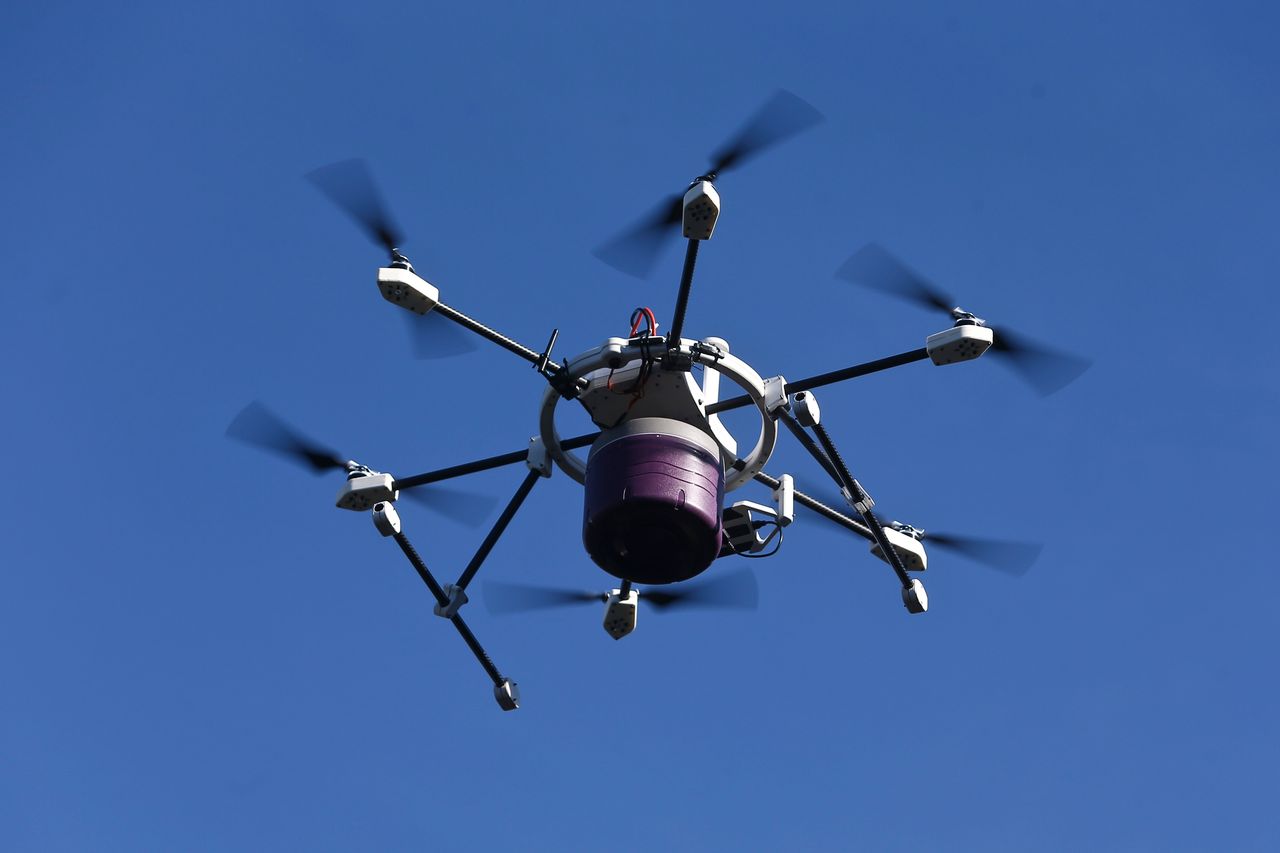
Drone Delivery in 2026: How It Works, Cost & Coverage
Drone delivery in 2026: how Amazon, Wing, Zipline, and DoorDash actually work, what deliveries cost, and how to check if the servi…
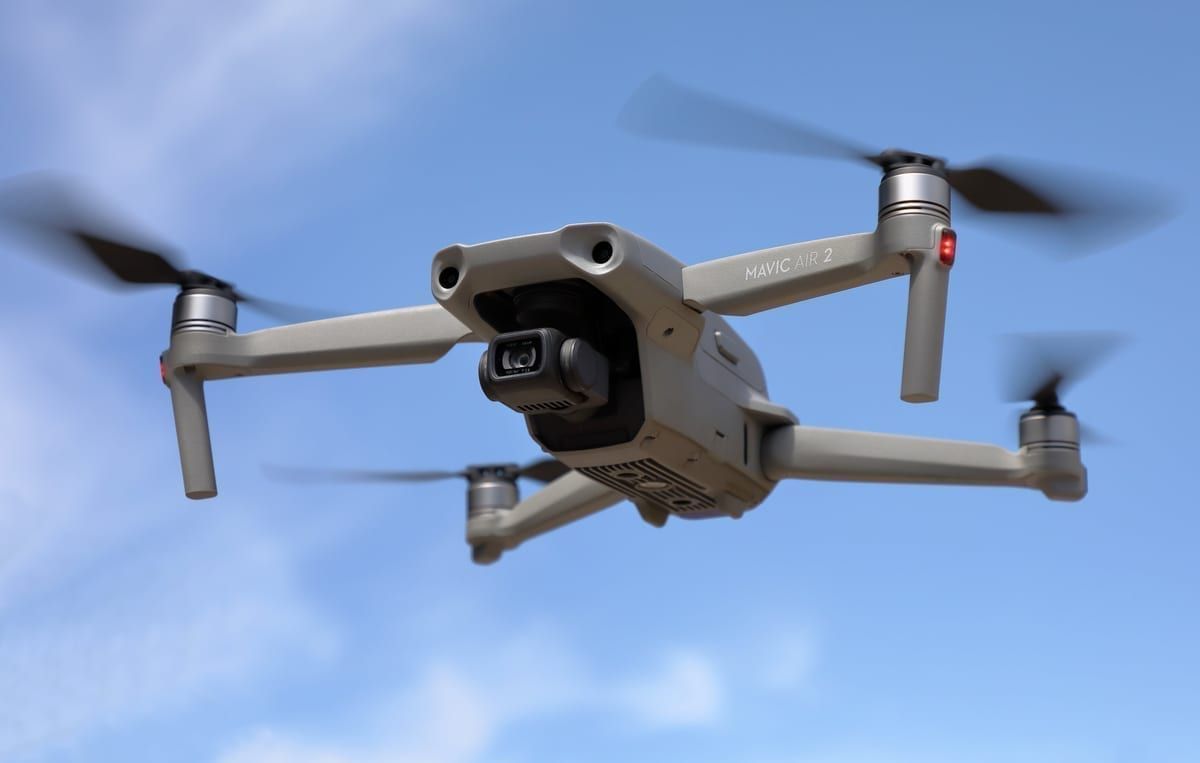
Is DJI Banned in the US? 2026 Status, Rules and FAQ
DJI isn't fully banned in the US, but new models can't get FCC approval. Here's exactly what's restricted, what's still legal, and…
Drone Pilot Career: Salary, Jobs & Licensing in 2026
US drone pilots earn $47,000-$137,000 in 2026 depending on sector. See real salary data, the industries hiring, licensing costs, a…