Wingcopter 262: 6-Hour Tactical eVTOL Debuts for Defense
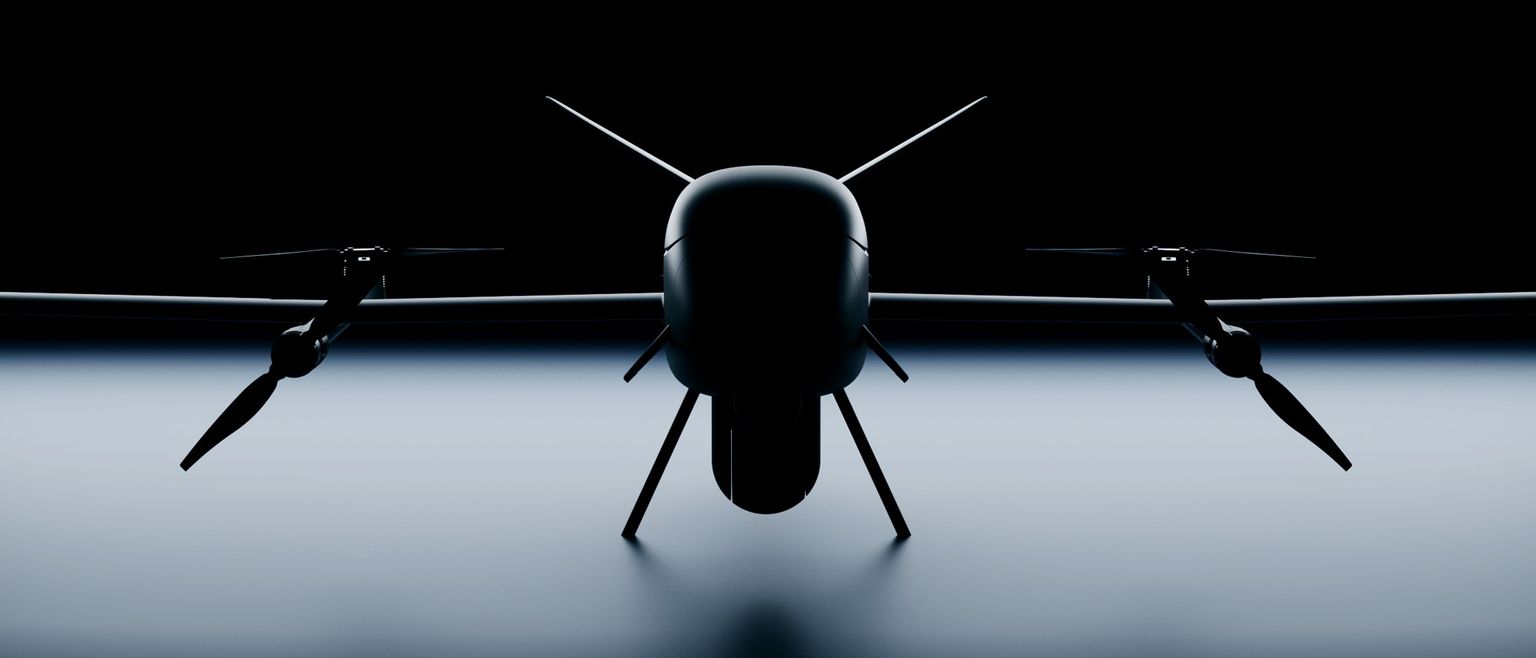
German manufacturer Wingcopter unveiled the Wingcopter 262 on September 14, 2026, from Düsseldorf — an all-electric, fixed-wing eVTOL built for tactical reconnaissance, with a 150 km (93 mi) range and up to six hours of flight endurance. The launch marks Wingcopter's formal pivot from humanitarian delivery drones into defense hardware, anchored by a production partnership with Ukraine's TAF Industries.
Background
Wingcopter built its reputation over the past decade on humanitarian and commercial delivery: vaccine runs in Vanuatu, blood-sample transport in Japan, and medical-supply drops across Africa, using its tilt-rotor eVTOL (electric Vertical Take-Off and Landing) design to combine helicopter-style launch with fixed-wing cruising efficiency. The German company has raised more than €120 million from European and international investors and employs over 150 people.
That commercial-delivery model has run into a wall familiar to drone operators everywhere: BVLOS (Beyond Visual Line of Sight) delivery approvals remain slow and fragmented across most regulators, capping how fast dedicated delivery drones can scale. Defense budgets, by contrast, have surged since Russia's invasion of Ukraine, and buyers there want hardware proven in actual combat conditions rather than lab tests. Wingcopter created a dedicated Wingcopter Security and Defence (WSD) business unit earlier in 2026 to chase that market, and the 262 is its first product.
Wingcopter is not alone in this shift. Commercial drone makers worldwide are redirecting engineering toward defense and security work as regulatory bottlenecks slow civilian BVLOS rollouts, as geopolitical tension keeps defense spending elevated, and as Western buyers actively seek alternatives to Chinese-made hardware following the FCC's restrictions on DJI imports into the US market.
Wingcopter 262 Specs and Capabilities
The Wingcopter 262 takes its name from its 262-centimeter (8.6 ft) wingspan. It keeps the tilt-rotor eVTOL layout the company built its delivery business on, allowing vertical launch and landing without a runway while cruising like a fixed-wing aircraft for range.
| Spec | Value |
|---|---|
| Wingspan | 262 cm (8.6 ft) |
| Max takeoff weight | 10 kg (22 lb) |
| Tactical range | 150 km (93 mi) |
| Flight endurance | Up to 6 hours |
| Sensors | AI-enabled EO/IR cameras |
| Navigation | GNSS-denied capable |
| Deployment | Single operator, ready in minutes |
The aircraft carries AI-assisted electro-optical and infrared (EO/IR) cameras alongside data and video links and positioning technology the company says has already been proven in Ukraine field operations. Modular, quick-swap batteries cut ground turnaround between sorties, and Wingcopter designed the airframe to run in GNSS-denied environments — areas where GPS signal is jammed or spoofed, a routine condition on the Ukrainian front line. No launch infrastructure is required: a single operator can ready the aircraft for a mission in minutes, and the open-architecture software is built to plug into existing battle-management systems rather than requiring a dedicated ground station.
Built With Ukraine: The TAF Industries Partnership
Wingcopter is producing the 262 through a joint venture with TAF Industries, described by reporting on the deal as Ukraine's largest UAV producer, under an initiative called "Build with Ukraine." The company partnership covers serial production of reconnaissance drones and getting the 262 into the hands of Ukrainian forces, rather than a direct government-to-government sale. Neither company has published delivery quantities, a timeline, or pricing.
The arrangement follows a pattern seen elsewhere in the war: Western manufacturers co-producing hardware on Ukrainian soil or with Ukrainian partners, both to speed up battlefield feedback and to build long-term manufacturing capacity inside the country. For Wingcopter, it also doubles as a live proving ground — the same EO/IR and positioning technology built into the 262 is marketed as already combat-tested through this relationship.
Neither company has confirmed how the arrangement is funded. Unlike direct state-to-state military aid, a "Build with Ukraine" deal structured between two private companies lets both sides move faster than a government procurement contract typically allows — TAF Industries gets Wingcopter's airframe and flight-control engineering, and Wingcopter gets manufacturing capacity and a customer whose operational feedback loop, shaped by an active front line, is faster than almost any peacetime test program could produce.
What This Means for Drone Pilots
The Wingcopter 262 itself won't reach civilian operators — it's built and sold exclusively for defense and security customers. But the launch is a signal worth watching for anyone tracking where commercial drone technology is heading. A company that spent a decade optimizing eVTOL delivery platforms for cost, reliability, and BVLOS approval is now redirecting that engineering toward defense contracts instead — the same underlying tilt-rotor airframe, repackaged for a market with fewer regulatory chokepoints and deeper budgets.
That shift matters for the broader types of drones landscape pilots and operators track. Expect the flow of dual-use technology — GNSS-denied navigation, AI-assisted EO/IR sensors, quick-swap battery systems — to increasingly originate on the defense side and filter down into commercial and public-safety platforms later, rather than the other way around, as regulatory friction keeps pushing manufacturer R&D budgets toward the sector that moves fastest.
FAQ
Sources: DRONELIFE | sUAS News | The Drone Girl
More like this
Related Articles
Zipline Asks FAA for 220,000 Texas Deliveries a Day
Zipline has filed a draft FAA environmental review seeking approval for 220,000 drone deliveries a day across five Texas metros —…
Amazon Seeks CAA Approval for Town-Wide UK Drone Delivery
Amazon has flown 500+ Prime Air deliveries in Darlington and wants CAA approval to cover the whole UK town — a key test case for w…
FCC Drone Rule Is Official: Amazon Must Show FCC IDs
The FCC equipment rule hit the Federal Register Sept. 11 and takes effect Oct. 13. Drones escape the component ban, but online sto…