Counter-Drone Lasers: Pentagon Picks 5 US Bases (2026)
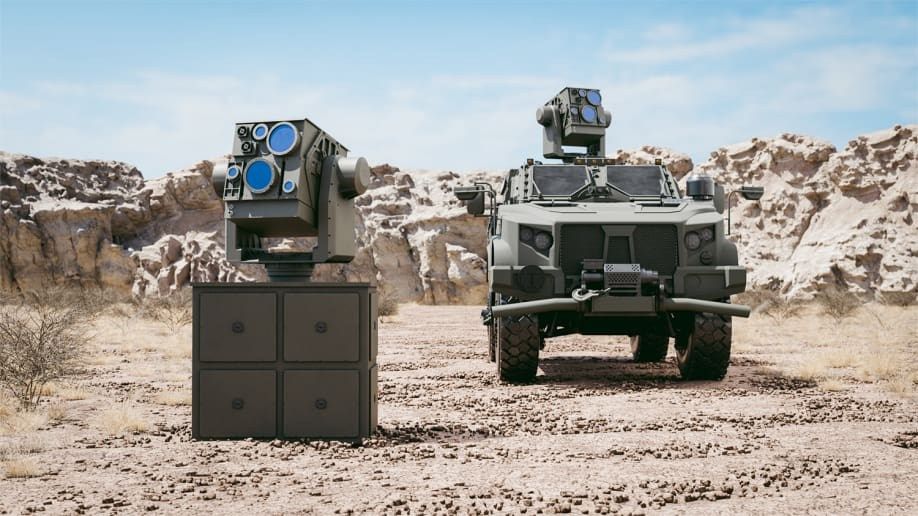
The Pentagon has selected four directed-energy weapons — high-energy lasers and a high-powered microwave system from AeroVironment, Epirus, Kord Technologies, and Boeing — for a yearlong counter-drone pilot program at five U.S. military bases, the Department of War confirmed on October 6, 2026. The systems begin operational trials this fall at installations in Arizona, Texas, Washington, North Dakota, and Missouri, with a head-to-head "shoot-off" planned for December at Dugway Proving Ground, Utah.
The pilot is run by Joint Interagency Task Force 401 (JIATF-401), the Army-led organization created in 2025 to coordinate counter-unmanned aircraft systems (C-UAS) work across the military and federal agencies. Brig. Gen. Matt Ross, the task force's director, said directed energy gives base commanders "another option within a layered defense" against small drones.
Background: Why the Pentagon Is Betting on Lasers
Small, cheap drones have become a near-daily nuisance over U.S. military installations. U.S. Northern Command has said drone incursions over base airspace now happen almost every day, ranging from hobbyist mistakes to suspected surveillance by hostile actors. Traditional air defense — missiles and interceptor rockets costing tens of thousands of dollars each — is a poor economic match against swarms of drones that can cost a few hundred dollars apiece.
Directed-energy weapons, which destroy or disable targets with a focused beam of laser or microwave energy instead of a physical projectile, promise a far cheaper per-shot cost and, in theory, an unlimited magazine as long as the system has power. The Fiscal Year 2026 National Defense Authorization Act funded a pilot program to test whether that promise holds up outside a controlled test range, and JIATF-401 named the first five host bases — Fort Bliss, Fort Huachuca, Grand Forks Air Force Base, Whiteman Air Force Base, and Naval Base Kitsap — back in May 2026, according to DroneLife. The October 6 announcement is the follow-up step: naming which specific weapon systems will actually be installed and tested at those sites.
The stakes were raised earlier this year by a pair of incidents on the Texas border. On February 10, 2026, Customs and Border Protection officers used a Pentagon-owned AeroVironment laser near Fort Bliss to engage what turned out to be metallic balloons, prompting the FAA to close all airspace within 10 nautical miles of the El Paso VORTAC from the surface up to 18,000 feet — a shutdown the White House had lifted within hours, according to DroneXL. A second incident on February 26 saw soldiers use the same laser to shoot down an uncoordinated CBP drone over Fort Hancock, Texas. The episodes triggered a two-month dispute between the Pentagon and the FAA that was only resolved on April 11, 2026, when the FAA formally cleared military lasers for use against drones in U.S. airspace after a safety demonstration at White Sands Missile Range, per Fox34. The October pilot program now operates under the resulting FAA-Department of War coordination protocols.
The Four Systems Selected
| System | Manufacturer | Technology | Power class |
|---|---|---|---|
| Palletized High-Energy Laser (P-HEL / LOCUST) | AeroVironment | High-energy laser | 20 kW-class |
| Leonidas | Epirus | High-powered microwave | Not disclosed |
| Firefly | Kord Technologies | High-energy laser | Not disclosed |
| Compact Laser Weapon System | Boeing | High-energy laser | 5 kW-class |
Three of the four are lasers; Epirus' Leonidas is a high-powered microwave system, which disables drone electronics across a wider beam rather than burning through a single airframe — a useful complement against drone swarms, where aiming a narrow laser beam one target at a time is a bottleneck. AeroVironment's entry is a familiar name to PickDrones readers: it's the same LOCUST family the Army ordered in a $400 million production contract in August 2026, and the Army has separately awarded AeroVironment a $464.8 million production contract under its Enduring High-Energy Laser program, according to Army Recognition.
Five Bases, One Year, One Shoot-Off
The five installations hosting the pilot were deliberately chosen for varied terrain and climate, JIATF-401 has said, to stress-test the systems under different operating conditions:
- Fort Bliss, Texas — desert heat and high dust, plus proximity to the border incidents that accelerated this program
- Fort Huachuca, Arizona — high-altitude desert, long-established Army C-UAS test infrastructure
- Grand Forks Air Force Base, North Dakota — cold-weather performance
- Whiteman Air Force Base, Missouri — the only Air Force bomber base in the group
- Naval Base Kitsap, Washington — maritime humidity and a Navy operating environment
The one-year operational evaluation, which began this fall, will measure each system's reliability, maintenance burden, and real-world cost of ownership — not just whether it can hit a target on a test range. A planned December 2026 "shoot-off" at Dugway Proving Ground, Utah, will put all four systems through a common set of drone threats side by side, SOFX reported. Results from both the base trials and the shoot-off are expected to inform which system, or combination of systems, the Pentagon eventually buys at scale for permanent installation defense.
What This Means for Drone Pilots
For hobbyist and commercial drone pilots, this program does not change where you can legally fly — Part 107 and recreational rules are unaffected. What it does change is the risk profile of flying anywhere near one of these five bases, or near the border zones where military C-UAS systems are already active. Airspace around military installations typically carries permanent or temporary flight restrictions, and bases hosting live directed-energy testing are likely to enforce those boundaries more aggressively; pilots should always check NOTAMs and no-fly zones before flying near any of the five sites.
The broader signal is that counter-drone detection and defeat technology — much of it built on the same AI-driven tracking and targeting software used in consumer and commercial autonomy features — is moving from prototype to routine infrastructure faster than most pilots may realize. A drone that strays into a military TFR is no longer just a legal violation; depending on the base and the circumstances, it's increasingly a drone flying toward active defensive systems.
FAQ
Sources: Army Recognition | SOFX | DroneLife | DroneXL
More like this
Related Articles
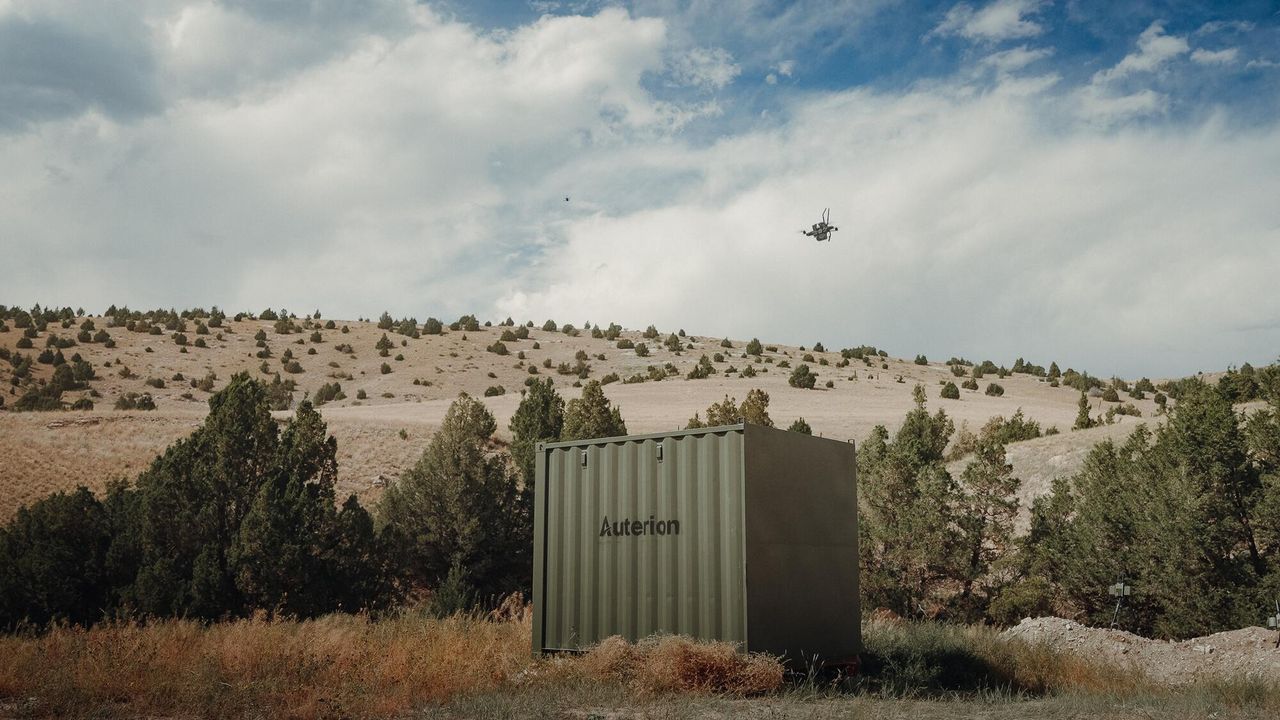
Auterion's Nemyx VLS Packs 30% More Drones, Any Brand
Auterion's Nemyx vertical launcher fires drones from any manufacturer, packing 30% more aircraft per tube for military customers i…
FAA Awards $12M for BVLOS Drone Test Research (2026)
The FAA gave $12 million to 19 BVLOS drone research projects on October 5, 2026, as its Part 108 rule sits stalled in White House…
Germany Backs Ukraine With $9.6B Drone Interceptor Deal
Germany and Ukraine signed 15 defense deals worth over $9.6B on Oct. 4, funding mass production of jet-powered interceptor drones…