
Zipline Asks FAA for 130,000 Arizona Drone Deliveries a Day
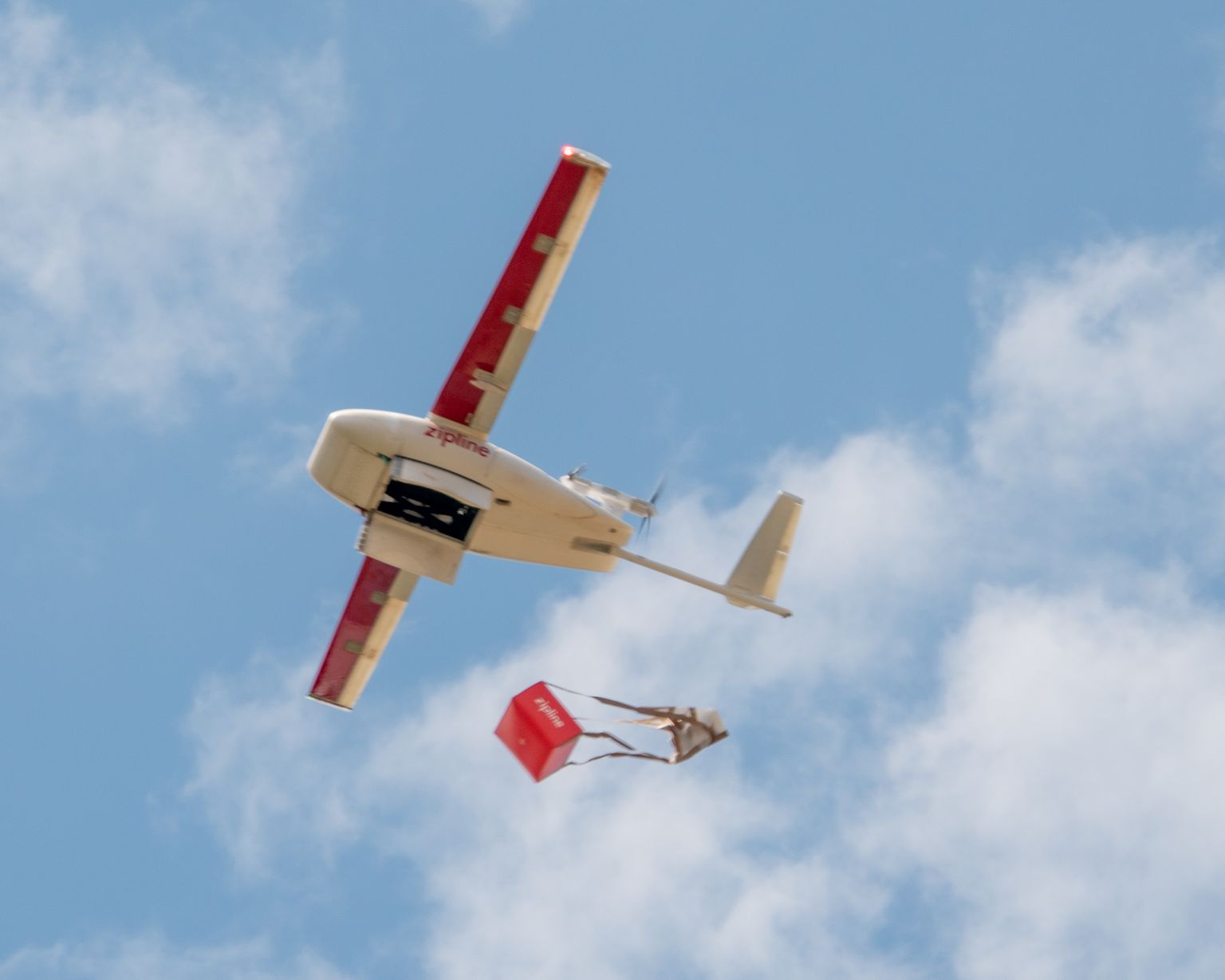
Zipline has asked the FAA to authorize up to 130,000 drone deliveries a day in Arizona, split evenly between Phoenix and Tucson, according to a draft environmental assessment (EA) the agency posted in November 2026. The request covers 2,093.89 square miles, 130 Charger launch stations and 2,600 Dropbox pickup kiosks, operating around the clock. Zipline does not fly in Arizona yet and hopes to start in early 2027.
What Is Zipline Asking the FAA to Approve in Arizona?
Zipline is asking the FAA to amend its Part 135 operations specifications, the air carrier rules that allow scaled commercial drone delivery, so it can serve Phoenix and Tucson. Each metro would be allowed 65,000 deliveries a day, for a combined ceiling of 130,000 deliveries and 390,000 flight legs (transits) a day, according to DroneXL's review of the draft.
| Metro | Area (sq mi) | Chargers | Dropboxes | Deliveries/day |
|---|---|---|---|---|
| Phoenix | 1,540.17 | 65 | 1,300 | 65,000 |
| Tucson | 553.72 | 65 | 1,300 | 65,000 |
| Total | 2,093.89 | 130 | 2,600 | 130,000 |
Operations would run 24 hours a day, including holidays. About 5% of flights would take place between 10 p.m. and 7 a.m., or roughly 6,500 overnight deliveries a day at the ceiling.
Background
An environmental assessment is the review the FAA must complete under the National Environmental Policy Act (NEPA) before approving a major change in operations. Zipline filed a near-identical request in September for 220,000 deliveries a day across five Texas metros, and the Arizona draft follows the same template.
The scale is far above anything approved in the state so far. The FAA's record shows one earlier Arizona drone delivery approval: Amazon's Tolleson hub, cleared in November 2024 for 469 flights a day. Zipline's proposed ceiling is about 277 times that.
Zipline says it completes a delivery somewhere in the world about every 15 seconds. The company is also expanding with retail partners, including a Walmart deal for 300 more sites.
How Does Zipline's Platform 2 Drone Work?
Zipline's Platform 2 (P2) drone weighs 63 lb (28.6 kg), carries an 8 lb (3.6 kg) payload, and cruises at 330 ft (101 m) and 70 mph (113 km/h). Each delivery involves three flight legs, which is why the draft counts 390,000 transits for 130,000 deliveries.
The aircraft flies BVLOS (Beyond Visual Line of Sight), meaning the pilot does not keep it in view and relies on automation and remote monitoring. Customers collect orders at Dropbox kiosks, while Chargers serve as the launch and charging stations. The draft says Charger locations will depend on partner agreements and market demand. Zach Hill, Zipline's community engagement lead, described it to local media as "a demand based system."
Noise, Wildlife and Environmental Findings
The draft reaches its conclusions using a May 2026 noise report based on measurements of Zipline's own aircraft.
- Noise setbacks: A Charger handling 1,000 deliveries a day would sit at least 170 ft (52 m) from homes and other noise-sensitive places. A Dropbox would sit at least 50 ft (15 m) away.
- Noise level: Where service areas overlap, traffic over any one spot is capped at 2,000 transits a day, producing a day-night average of 48.4 dB against a federal threshold of 65 dB.
- Wildlife: The draft finds flights "may affect, but are not likely to adversely affect" six listed bird species, including the cactus ferruginous pygmy-owl. U.S. Fish and Wildlife Service consultation must finish before the final assessment.
- Protected land: Saguaro National Park, Coronado National Forest and Tonto National Forest lie within the study area, but are not currently part of Zipline's operations.
DroneXL, which supports approval, also flagged errors in the draft. These include a reference to "Texas Metro Areas Airports" and a wildlife chapter that cites 65,000 flights a day when the draft's own table shows 130,000 deliveries. It argued the draft reads like the Texas version with place names changed.
What This Means for Drone Pilots
This is a company-specific approval, not a new airspace rule, so it does not change day-to-day requirements for recreational or Part 107 commercial pilots. If approved, though, Phoenix and Tucson pilots should expect far more low-altitude delivery traffic near Chargers and along Zipline's corridors.
The filing also shows how the FAA is scaling BVLOS through case-by-case approvals while the standardized Part 108 rule remains in White House review. For background on how these services work, see our drone delivery guide and our explainer on what BVLOS means.
Anyone can comment on the draft. The FAA notice puts the 30-day comment deadline at December 7 at 5 p.m. Central Time, while the FAA web page lists December 9. Treat December 7 as the safe date. Comments go by email to the address in the draft, with "Zipline Arizona Draft EA" in the subject line, or by mail to the FAA at 1200 New Jersey Avenue SE, Suite 802W, Washington, DC 20590.
FAQ
Sources: DroneXL | FAA Draft Environmental Assessment | FAA drone NEPA page
More like this
Related Articles
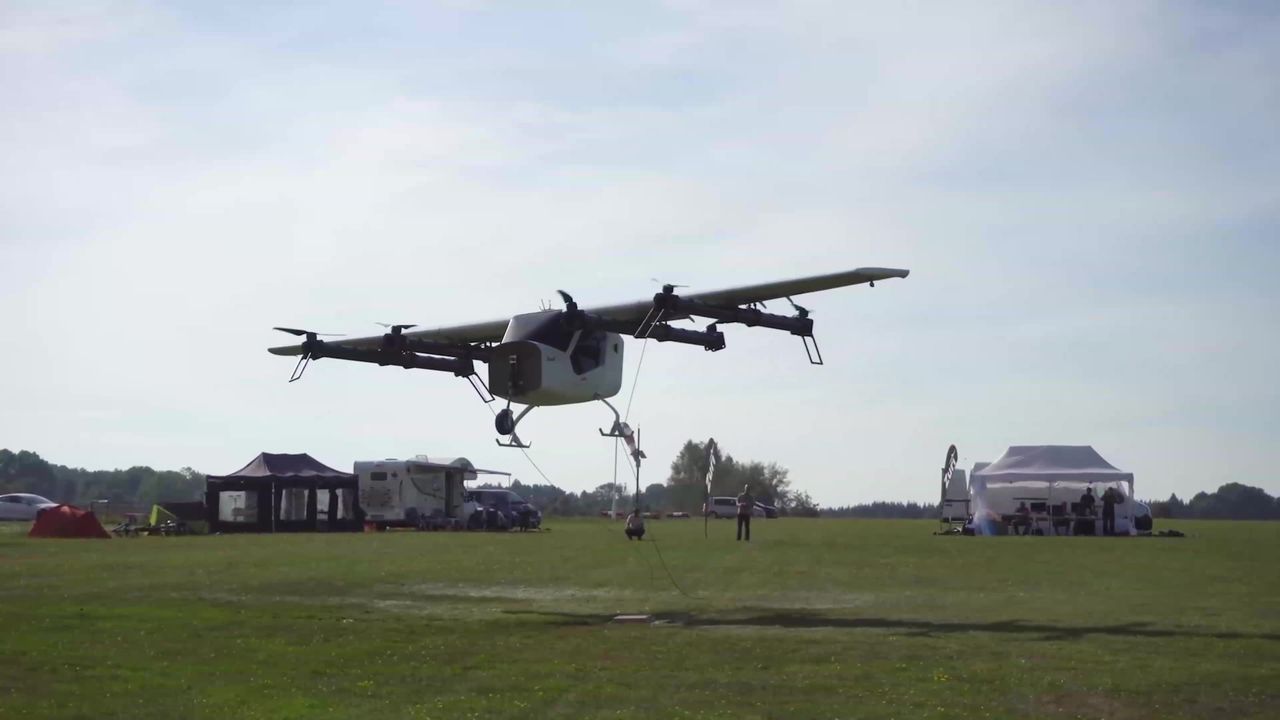
AIR 120D Cargo eVTOL Ships to Florida for U.S. Demos
AIR shipped its first AIR 120D autonomous cargo eVTOL to Florida for U.S. demos. It carries 550 lb with no pilot. Here is what it…
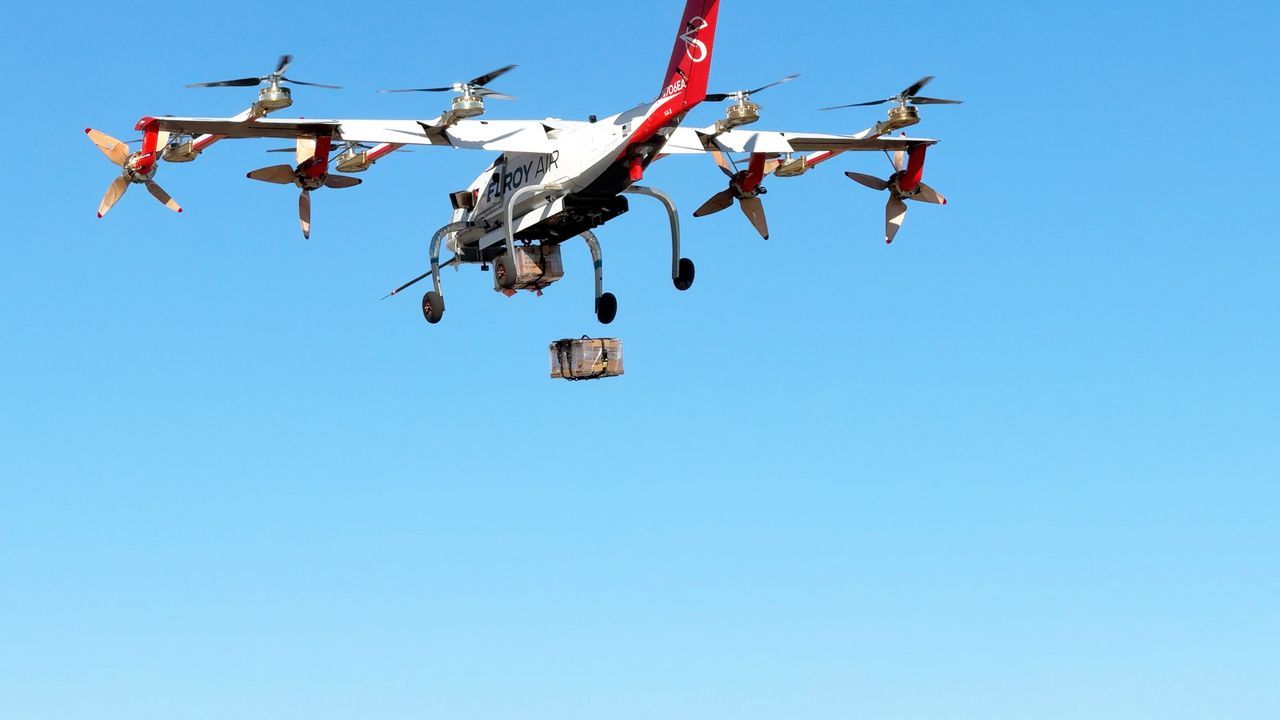
Elroy Air Chaparral: Barq Orders 20 Cargo Drones, $70M
Abu Dhabi's Barq Group signed for up to 20 Elroy Air Chaparral cargo drones worth $70M. See what the deal includes, when deliverie…
FCC 450 MHz Drone Vote: Radar and Data Link Rules (2026)
The FCC votes Nov. 19 on 450 MHz drone data links and 24 GHz counter-drone radar. Here's what the draft order changes for BVLOS an…