
FCC 450 MHz Drone Vote: Radar and Data Link Rules (2026)
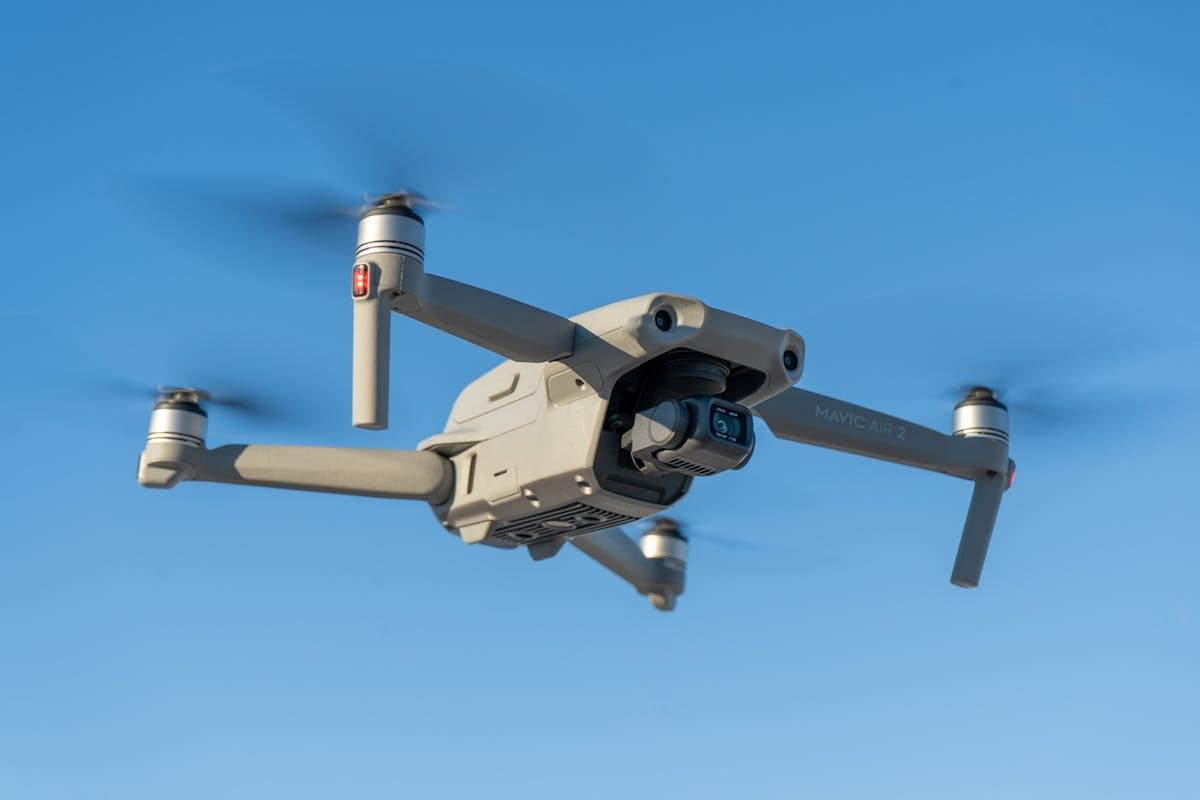
The Federal Communications Commission was scheduled to vote on November 19, 2026, on a draft order that would open the 450 MHz band to drone command-and-control links and give counter-drone detection radar a licensed home at 24.45-24.65 GHz. The order covers spectrum only. It does not change FAA flight rules or approve beyond-visual-line-of-sight flights.
The outcome had not been reported when this article was published, and the FCC has said final rules may differ from the draft.
What Is the FCC Voting On?
The draft Report and Order is titled "Unleashing American Drone Dominance; Facilitating Opportunities for Advanced Air Mobility," according to DroneLife. A Report and Order is the FCC's final rulemaking decision, as opposed to a proposal still open for comment. It touches three frequency bands:
| Band | Current rule | What the draft would do |
|---|---|---|
| 450 MHz | Mostly site-by-site voice service for general aviation | Allow drone command-and-control and flight safety data |
| 24.45-24.65 GHz | No standard path for ground radar | Allow federal and non-federal radar on a secondary basis |
| 849-851 / 894-896 MHz | Peak-power limits for air-to-ground links | Measure power on an average basis |
How Would 450 MHz Help Drone Data Links?
The draft would let drones use the 450 MHz band for command-and-control and other flight-safety data. Command-and-control (C2) is the radio link a pilot uses to steer a drone and receive its telemetry.
The band has a single licensee, AURA Network Systems. The draft would let AURA consolidate 54 site-based licenses into one nationwide license, and it would accept a construction milestone measured at 5,000 feet instead of 400 feet. DroneLife notes that this does not guarantee coverage at low altitudes, where most small commercial drones fly.
Low-band spectrum travels farther and penetrates obstacles better than higher bands, which matters for BVLOS (Beyond Visual Line of Sight) flight. Our BVLOS explainer covers why reliable links are one of the main barriers to routine long-range operations.
What Does the 24 GHz Rule Mean for Counter-Drone Radar?
The draft would let ground-based radar operate in the 24.45-24.65 GHz band on a secondary basis, meaning it must not interfere with primary users. That gives counter-drone detection systems a standard licensing path instead of repeated FCC waivers.
DroneLife stresses that the rule covers spectrum access for detection, not authority to disable or destroy drones. Mitigation remains subject to separate federal law, which we explain in our coverage of the Safer Skies Act counter-drone rule.
Background: The FCC's Run of Drone Spectrum Actions
The vote follows the FCC's October 29 decision to open 50 MHz of cellular spectrum to drones. We covered that 3-0 vote on the 800 MHz band and the nationwide cellular network test that preceded it.
The FAA's Part 108 BVLOS rule is a separate track and still sits in White House review, as we reported in our Part 108 delay coverage.
What This Means for Drone Pilots
Recreational pilots and Part 107 operators see no change. Consumer drones control over dedicated short-range links, and your FAA requirements stay the same.
The impact lands on commercial, delivery and infrastructure operators planning long-range flights, and on airports, prisons and stadiums that want licensed drone detection. Expect equipment and service announcements only after the final order is published and takes effect.
The rules are U.S.-specific. Regulators elsewhere, including in Europe, set their own spectrum policy.
FAQ
Sources: DroneLife | FCC draft Report and Order | DroneXL
More like this
Related Articles

Elroy Air Chaparral: Barq Orders 20 Cargo Drones, $70M
Abu Dhabi's Barq Group signed for up to 20 Elroy Air Chaparral cargo drones worth $70M. See what the deal includes, when deliverie…
FBI Seeks Drone Pilots Near Reagan National Airport
The FBI wants three men who flew a drone in restricted airspace near Reagan National. Here's what the law says, the penalties, and…
DJI Mandamus Petition Asks Court to Force FCC Ruling
DJI asked the Ninth Circuit to force the FCC to rule on its Covered List appeal, while the FCC says that undercuts DJI's lawsuit.…