
FCC Opens 800 MHz Spectrum to Drones in 3-0 Vote (2026)
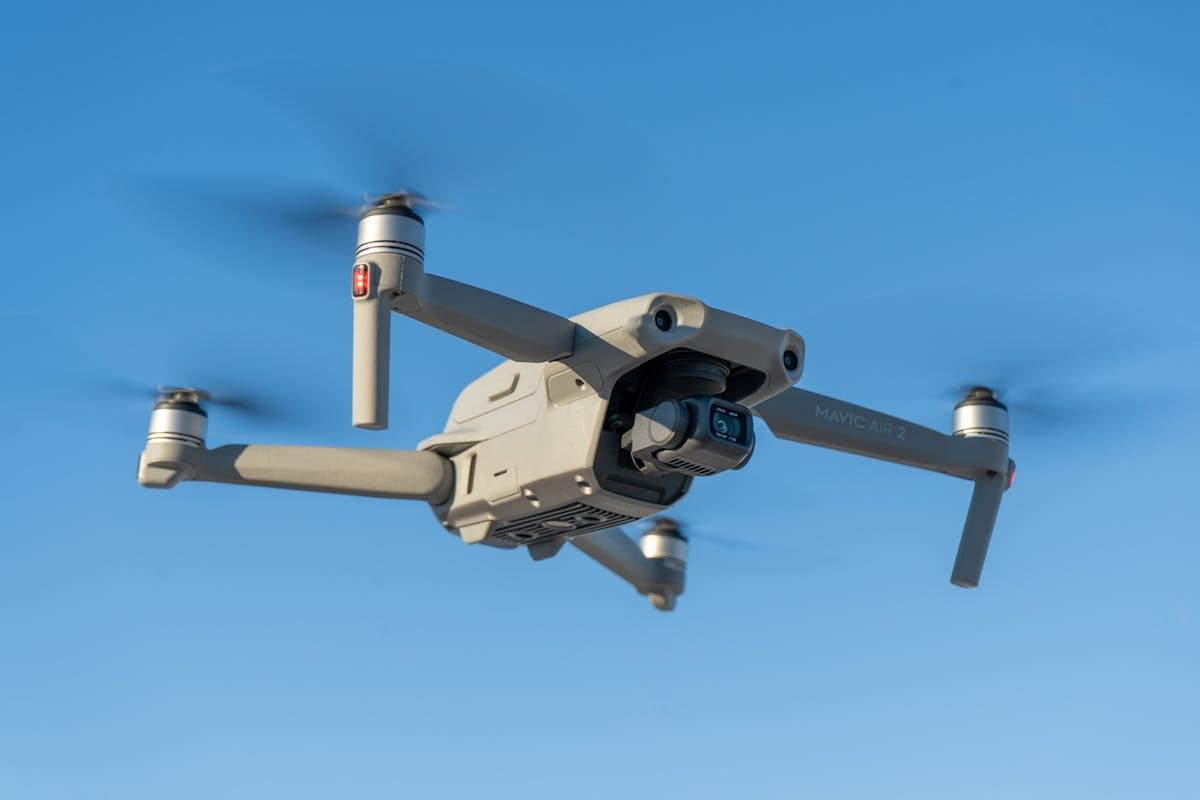
The Federal Communications Commission voted 3-0 on October 29, 2026, to let drones use the 800 MHz cellular band, ending a 1991 airborne ban on about 50 megahertz of licensed, nationwide low-band spectrum. The order helps drone command-and-control links, but it does not change FAA flight rules or approve beyond-visual-line-of-sight flights.
What Did the FCC Approve on October 29?
The FCC adopted Report and Order FCC 26-72 at its October open meeting, with Chairman Brendan Carr and Commissioners Anna Gomez and Olivia Trusty voting in favor, according to DroneXL. A Report and Order is the FCC's final rulemaking decision, as opposed to a proposal still open for comment.
The order lifts the airborne restriction on the 800 MHz Cellular band (824-849 MHz and 869-894 MHz) for unmanned aircraft. The FCC said the restriction "is no longer necessary as applied to unmanned aircraft systems," because modern networks can keep drones from interfering with ground users.
Carr and Trusty issued separate statements. The FCC had not yet posted the adopted text when the first reports appeared, so details may differ from the October 8 draft. That draft set the effective date at 30 days after Federal Register publication.
Background: Why Drones Were Barred From 800 MHz
The ban dates to a 1984 policy that was codified in 1991. It was written for handsets in airplanes, which can see many cell towers at once and cause interference below. Drones inherited the rule even though they are purpose-built aircraft rather than phones.
Low-band spectrum travels farther and penetrates obstacles better than higher bands. That matters for BVLOS (Beyond Visual Line of Sight) flight, where the pilot cannot see the aircraft and needs a dependable link over long distances. Our BVLOS explainer covers why connectivity is one of the main barriers to routine long-range flights.
We covered the lead-up in our preview of the vote. The order is also separate from the nationwide cellular drone test, which measures how commercial networks perform in the air.
Who Backed the Order?
The FCC published statements from 11 organizations two days before the vote, according to DroneXL. They included AT&T, Verizon, CTIA, Amazon, Red Cat, Ondas and AUVSI. The report names no opposition, and the draft cited none.
Amazon's vice president of public policy, Ashleigh de la Torre, said reliable wireless communications are essential. Red Cat described carrier networks as a "backup link" for maturing drones.
| Item | Detail |
|---|---|
| Vote | 3-0, October 29, 2026 |
| Order | Report and Order FCC 26-72 |
| Band | 800 MHz Cellular (about 50 MHz) |
| Use | Drone command, control and payload links |
| Draft effective date | 30 days after Federal Register publication |
Does This Make BVLOS Legal? Part 108 Is Still the Gate
No. The FCC controls radio spectrum; the FAA controls flight. Routine BVLOS operations still depend on the FAA's Part 108 rule, which has not yet appeared in the Federal Register, according to DroneXL.
The FAA Reauthorization Act of 2024 requires the final rule by December 7, 2026, about five weeks away. Our coverage of the Part 108 review delay explains where the rule stands.
The FCC has more drone items coming. On November 19 it is scheduled to vote on 450 MHz control links and 24 GHz drone-detection radar rules.
What This Means for Drone Pilots
Recreational pilots and Part 107 operators see no change. Consumer drones do not use cellular spectrum for control, and your FAA requirements stay the same.
The impact lands on commercial and delivery operators. A licensed, nationwide low-band channel gives them a connectivity option beyond short-range radio, mostly by adding capacity on carrier networks that already carry drone traffic at 700 MHz and in the PCS band. Expect equipment makers and carriers to announce products only after the order takes effect.
The ruling is U.S.-specific. Other regulators, including those in Europe, set their own spectrum rules.
FAQ
Sources: DroneXL | DroneLife | FCC October 2026 Open Meeting
More like this
Related Articles

Wing St. Louis Drone Delivery: 7 Walmart Hubs Planned
Wing wants about 7 Walmart drone hubs live at once in St. Louis, with 12 stores in play. Here's where each city stands and what ha…

New York Drone Law: Mini 5 Pro Misses Hobby Exemption
New York's drone law exempts hobby aircraft up to 0.55 lb (249.5 g), a hair under the DJI Mini 5 Pro's 249.9 g spec. Here's what t…
FCC Blocks First Devices Under Chip Ban: HiSilicon Case
The FCC enforced its Covered List component rule for the first time on Oct. 22, blocking two HiSilicon-chip devices. Here's what i…