FCC Drone Spectrum Vote: 50 MHz at Stake on Oct. 29
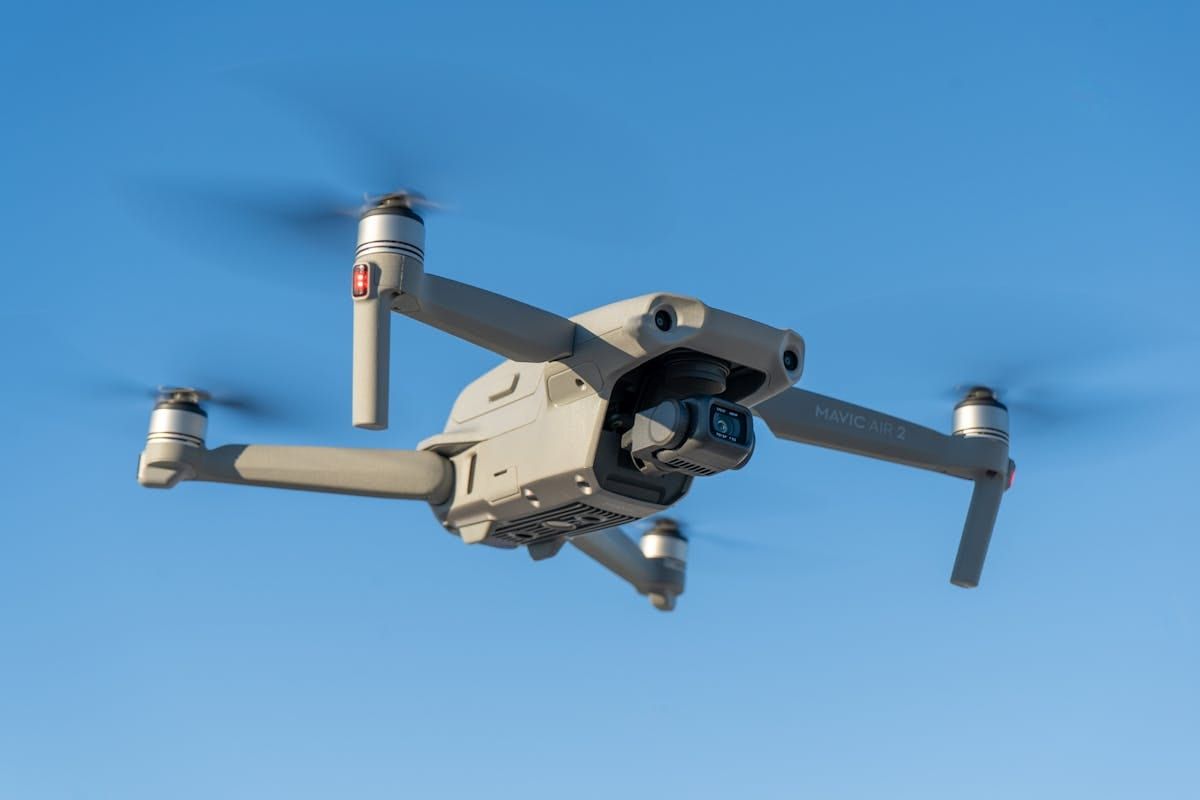
The Federal Communications Commission will vote on October 29, 2026, on an order that would let drones operate in the 800 MHz cellular band, unlocking 50 megahertz of licensed, nationwide low-band spectrum. FCC Chairman Brendan Carr announced the item on October 7. If adopted, it removes a rule that has barred drones from the band, but it does not change FAA flight requirements.
What Is the FCC Voting On?
The FCC's October 2026 open meeting agenda lists a Report and Order that would remove the restriction on drone operations in the 800 MHz Cellular band. Carr called the rule an unintended barrier and said the order would help "promote U.S. drone leadership," according to DroneLife.
A Report and Order is the FCC's final rulemaking decision. Once adopted, it becomes a rule after publication, unlike a proposal that is still open for comment. The 800 MHz item follows an earlier FCC proposal in docket 24-629, and wireless industry groups including CTIA, Ericsson and AUVSI had urged the Commission to lift the airborne ban.
The vote is scheduled, not final. Items on the agenda can be amended or pulled before the meeting.
Background: Why Drones Were Kept Off 800 MHz
FCC rules have long restricted cellular equipment from operating while airborne. A device at altitude can see many ground towers at once, which can cause interference with the network below. The 800 MHz rule was written with phones in mind, not purpose-built drone links.
Low-band spectrum like 800 MHz travels farther and penetrates obstacles better than higher bands. That makes it attractive for BVLOS (Beyond Visual Line of Sight) operations, where the pilot cannot see the aircraft and needs a reliable link over long distances. Our BVLOS explainer covers why connectivity is one of the main barriers to routine long-range flights.
This order is separate from, but related to, the Department of Transportation's cellular test program. In September the FCC issued a waiver for the nationwide cellular drone test, which measures how commercial networks perform in the air across several bands, including 800 MHz.
What Else Is on the FCC Agenda?
The same meeting also includes an order that would prohibit electronics testing laboratories and certification bodies in countries that do not reciprocally recognize U.S. organizations. Carr said 82% of electronics were tested in a single non-reciprocating country in 2025.
That figure covers electronics broadly, not drones specifically. But drone makers rely on FCC-recognized labs for equipment authorization, so the practical impact depends on the final order's scope.
| Item | Status | Drone relevance |
|---|---|---|
| 800 MHz drone restriction removed | Vote Oct. 29, 2026 | Opens 50 MHz of licensed spectrum |
| Foreign testing lab restrictions | Vote Oct. 29, 2026 | Could affect equipment authorization |
What This Means for Drone Pilots
Recreational pilots and Part 107 operators will see no immediate change. The order covers FCC spectrum rules, not FAA flight rules, and operators must still follow FAA regulations and authorizations. Your consumer drone will not suddenly gain cellular control.
The longer-term effect is for commercial and delivery operators. A licensed, nationwide low-band channel could give BVLOS operators a connectivity option beyond short-range radio, which matters as the FAA's Part 108 rule remains pending. Companies in drone delivery stand to benefit most if carriers and equipment makers build products around the band.
Watch the October 29 outcome and the order's text for details on licensing, power limits and interference protections for public safety users.
FAQ
Sources: DroneLife | FCC October 2026 Open Meeting | Benton Institute
More like this
Related Articles
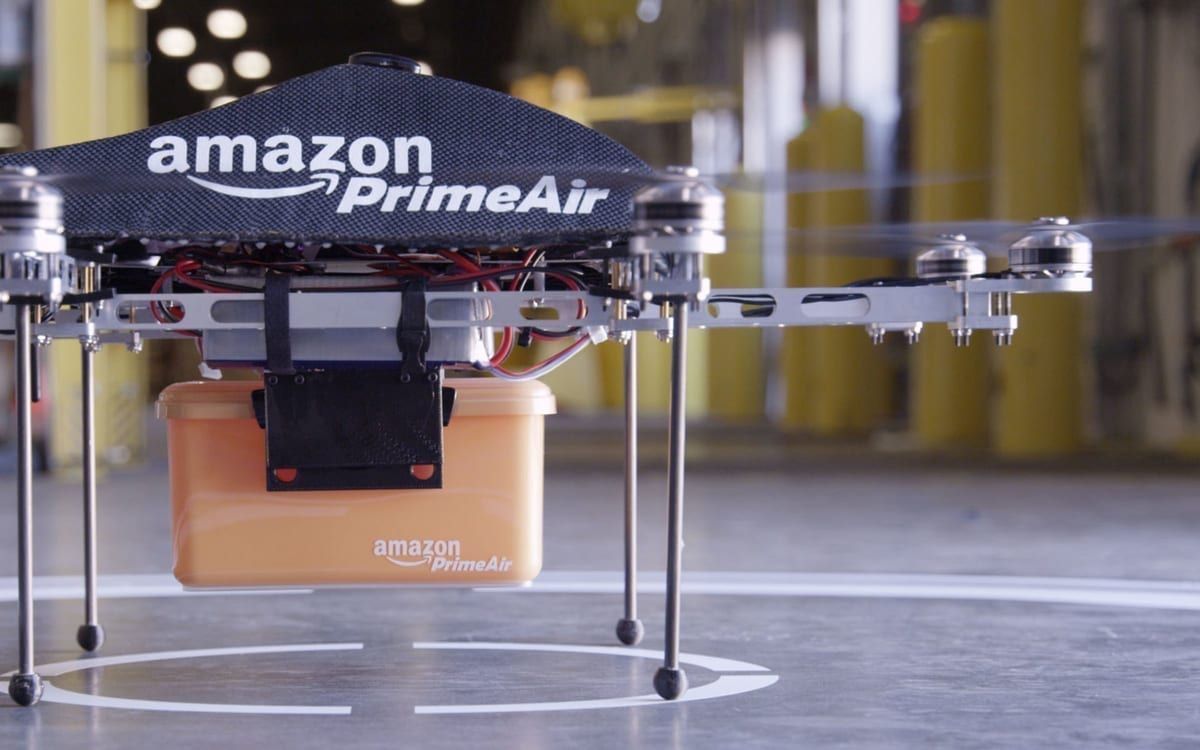
Amazon Prime Air Eyes Australia, Posts CASA Approvals Job
Amazon Prime Air is hiring a Head of Regulatory Approvals in Australia to win CASA sign-off for its MK30 drone. Here's what the jo…
Dronus K500L Drone Gets FCC Ban Exemption (Oct 2026)
The FCC granted the Italian Dronus K500L drone a Covered List exemption on Oct. 2, 2026. Here's what the Conditional Approval requ…
Germany's Army Drone Regiment: 600 Soldiers, 500 km Reach
Germany will build its first Army drone regiment in 2027, with up to 600 soldiers and 500 km reach, as the US Army ends its drone…