
UFORCE Raises $700M at $6B Valuation: Drone Maker Round
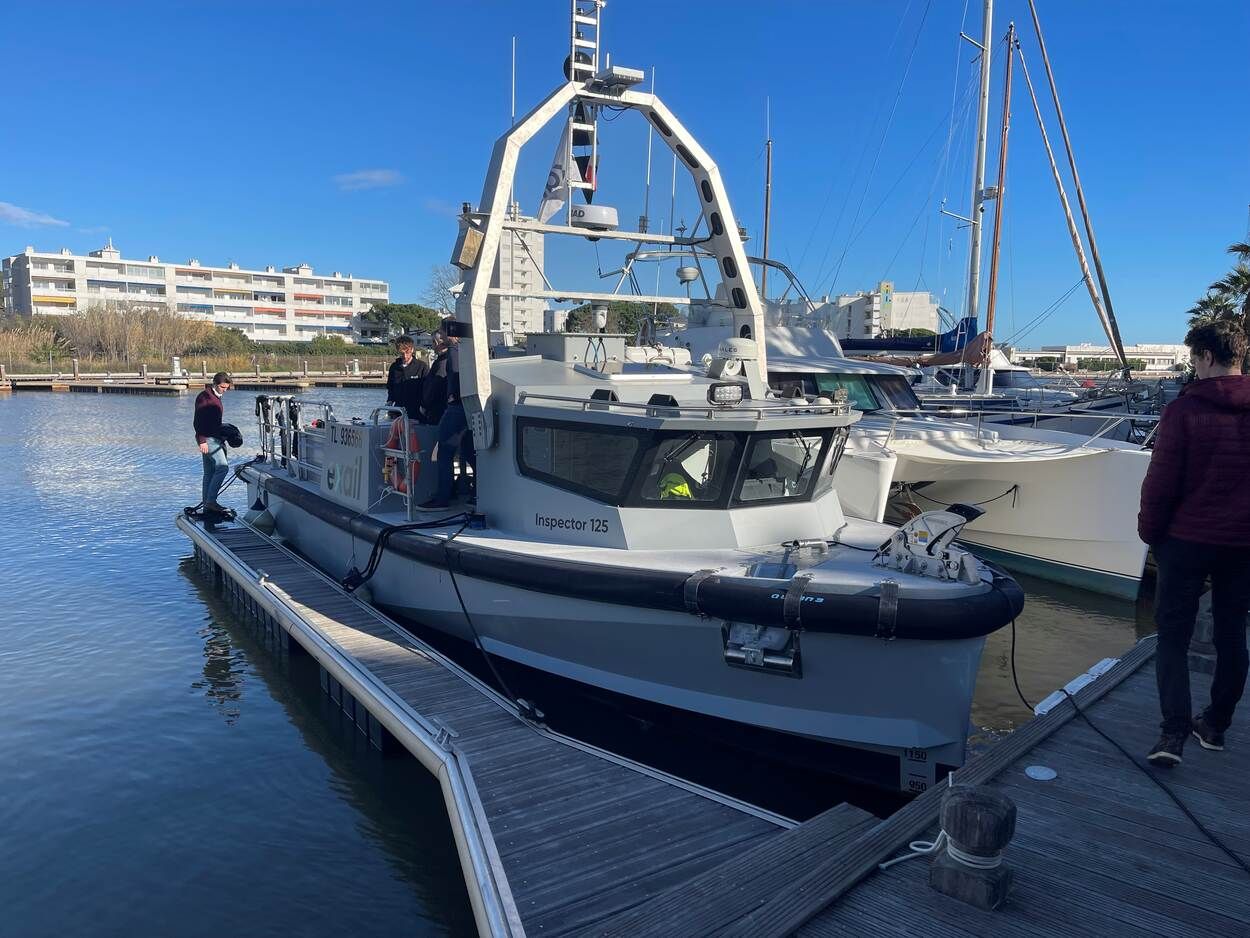
UFORCE, the Ukrainian-founded, London-headquartered drone maker, announced a $700 million Series A at a $6 billion valuation on November 12, 2026. The round was co-led by Valor Equity Partners and the UK National Wealth Fund. The money will fund factories in the United States, Europe, Asia-Pacific and the Middle East for its naval, aerial and ground drones.
The company builds uncrewed air, land and sea systems and the control software that runs them. Its best-known product is the Magura family of naval drones, which Ukraine has used in combat in the Black Sea.
Who Invested in UFORCE's $700M Round?
Valor Equity Partners, a US investment firm, and the UK National Wealth Fund co-led the round, according to DroneXL and the Kyiv Independent. The National Wealth Fund separately committed £113 million (about $150 million), its largest defense investment to date.
Other participants include:
- The US-Ukraine Reconstruction Investment Fund (URIF), in what it describes as its largest emerging-technology investment to date
- New investors Menlo Ventures, Xantium and Hiro Capital
- Existing backers Shield Capital, Ballistic Ventures, Lakestar and Squadra, all of which increased their stakes
Retired US Army General Christopher Cavoli, a former NATO Supreme Allied Commander Europe who is now a Valor partner, joined the board. Former UK defence secretary Sir Ben Wallace also sits on the board, which is chaired by Oleksiy Honcharuk.
Background: How UFORCE Got to a $6 Billion Valuation
UFORCE reached a valuation of about $1 billion in March 2026 after a roughly $50 million round led by Shield Capital and Lakestar, CNBC reported. By autumn, the company was reportedly seeking about $500 million at a $5 billion valuation. The final round came in larger and higher than those reports.
CEO Oleg Rogynskyy told CNBC that bookings more than doubled over the past year and that the company turned down offers at higher valuations. UFORCE has not disclosed revenue, employee count or order backlog, so the valuation rests on company statements and investor expectations rather than published financials.
The company's hardware has already appeared on PickDrones. In August, we covered the Magura MV11, a 2,200 kg naval drone built as a mothership for smaller drones. For a primer on the broader categories, see our guide to types of drones.
What Will UFORCE Build With the Money?
UFORCE will use the $700 million to scale production of four product lines, according to the company's announcement as reported by DroneXL:
| Product line | Domain | What it is |
|---|---|---|
| Magura (MV7, MV11) | Sea | Uncrewed naval drones |
| Nemesis | Air | Aerial drone systems |
| Liut | Land | Ground robots |
| Predator | Turret | Remote gun turret systems |
The UK funding covers British production of the MV7, MV11 and Nemesis, with more than 70% British content per boat. UFORCE is also partnering with US manufacturer ReconCraft to build Magura boats in the United States. URIF's share supports the company's Ukrainian operations, including hiring, research and new products.
UFORCE operates from London, Washington, DC and Kyiv. In September, the CEO said the company was recruiting engineers with Formula 1 experience for next-generation Magura boats.
What Does This Mean for Drone Pilots and the Industry?
The round shows how much private capital is now flowing into defense-focused drone makers. A $6 billion valuation for a company whose products are mostly military follows other government-backed deals such as the UK's military drone investment and the US-Ukraine drone cooperation agreement.
For recreational and commercial pilots, the effect is indirect but real:
- Supply chains: Defense demand for motors, batteries, cameras and flight controllers competes with civilian drone makers for components.
- Regulation: Governments are increasingly treating drone technology as a security matter, which feeds into import rules, tariffs and restrictions on foreign-made hardware.
- Technology transfer: Autonomy, obstacle avoidance and swarm-control software developed for battlefield use often reaches commercial products years later.
Nothing in this announcement changes any rule for flying a drone. It is a financing and manufacturing story, not a regulatory one.
FAQ
Sources: DroneXL | Kyiv Independent | Interfax-Ukraine
More like this
Related Articles
FAA Approves First Gulf BVLOS Drone Flight to Shell Rig
The FAA cleared Skyways' V2 drone for the first coast-to-Gulf BVLOS flight to a Shell platform. Here's what the Section 927 waiver…

Ring Drone Cam: Amazon's $249.99 Indoor Security Drone
Amazon's Ring Drone Cam is a $249.99 indoor flying camera that patrols when sensors trip. Here's the price, ship date, FCC catch,…
Zipline Raises $1.5B at $21.5B, Adds 300 Walmart Sites
Zipline closed a $1.5B round at a $21.5B valuation and signed Walmart for 300 new drone delivery sites. Here is what the deal mean…