
FAA Approves First Gulf BVLOS Drone Flight to Shell Rig
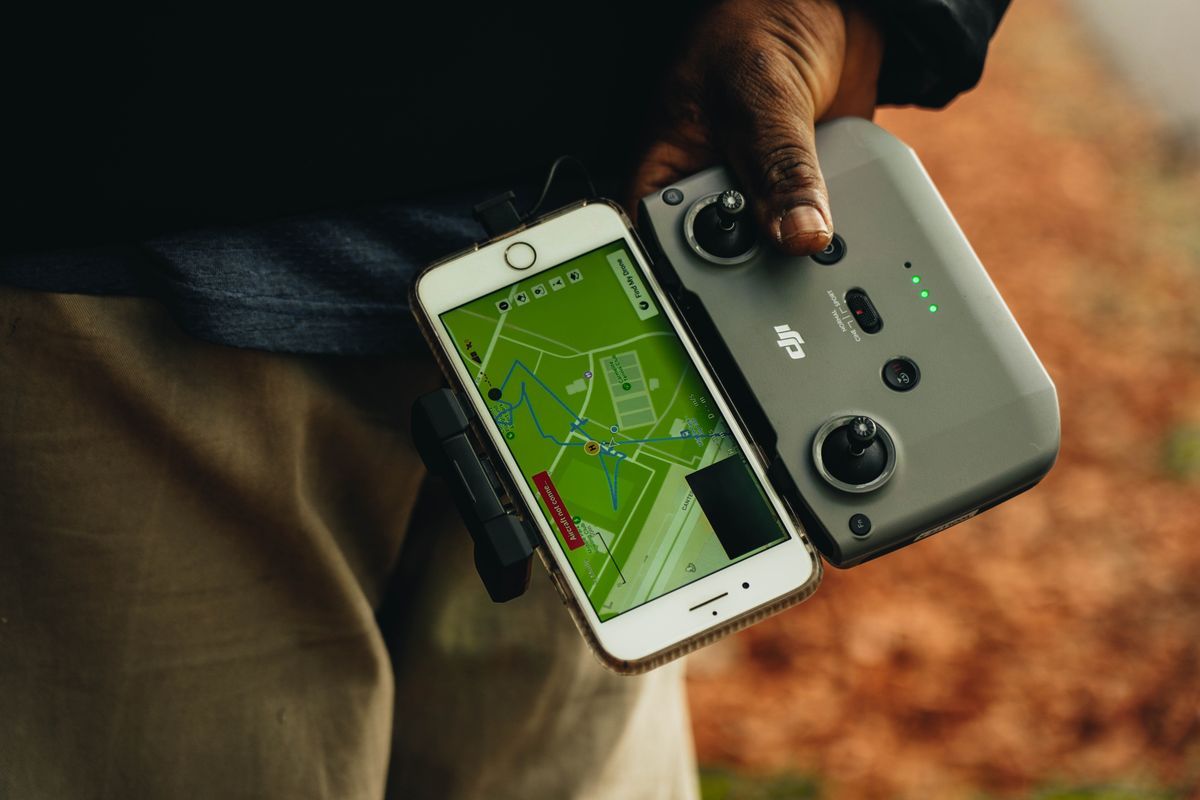
The FAA on November 9, 2026 authorized Austin-based Skyways to fly its autonomous V2 drone beyond visual line of sight from the Louisiana coast to a Shell platform in the Gulf of America. The agency calls it the first approval of its kind for a coastline-to-Gulf BVLOS (Beyond Visual Line of Sight) drone operation, granted through a Section 927 waiver.
The approved mission has not flown yet. It will combine a pipeline inspection with a simulated equipment delivery, and it arrives while the FAA's broader Part 108 rule is still waiting at the White House.
What Did the FAA Approve?
The FAA approved a single long-range BVLOS mission by Skyways' V2, a hybrid-powered VTOL (vertical takeoff and landing) aircraft. According to DroneLife, the V2 will take off from Shell Pipeline Company's facility in Gibson, Louisiana, and fly to an offshore Shell platform.
On the way out, the aircraft will inspect a pipeline right-of-way. At the platform, it will simulate delivering equipment. The authorization came under Section 927 of the FAA Reauthorization Act of 2024, which lets the agency approve certain drone operations by waiver instead of through rulemaking or an exemption.
DroneDJ reports the V2 uses electric motors for takeoff and landing, a heavy-fuel engine for cruise, and satellite-based command and control. Neither the FAA nor the coverage cited here gave a flight date or distance.
Background: Why Offshore BVLOS Is Hard
Flying beyond the pilot's line of sight normally requires a case-by-case Part 107 waiver. Over open water, there are no roads, no visual observers, and limited ground radar, so regulators need proof of reliable command links and detect-and-avoid capability. If you are new to the term, our explainer on what BVLOS is covers the basics.
Offshore energy has been waiting for this. Operators such as Shell rely on helicopters and boats to inspect pipelines and move equipment to platforms. An uncrewed aircraft can cut cost and remove crews from risk, which is why Shell Pipeline Company president Wesley Stewart said the waiver could make offshore inspections, maintenance, and logistics more efficient and cost-effective.
What Officials and Skyways Said
Liam McKenna, the FAA's acting deputy administrator, said the agency is "focused on safely unlocking the full potential of American drone technology," according to DroneLife. White House science adviser Michael Kratsios said the administration envisions a future where advanced drone operations are routine.
Skyways CEO Charles Acknin told DroneDJ the authorization "opens up a much larger operating envelope for us in the US." The company reports more than 3,500 autonomous flights and about 90,000 km flown worldwide, with past customers including the US Navy and Japan's Ministry of Defense.
Where Part 108 Stands
| Item | Status (as of Nov 13, 2026) |
|---|---|
| Skyways Gulf flight | Authorized Nov 9 via Section 927 waiver; not yet flown |
| Part 108 final rule | At OIRA since July 10, 2026; no publication date |
| Routine BVLOS today | Still needs a Part 107 waiver or similar approval |
The FAA has said it hopes to publish Part 108 before the end of the year, but the review has run well past the usual 90 days. We tracked the delay in our Part 108 coverage. The Skyways approval shows the FAA can still move complex long-range operations forward by waiver while the rule waits.
What This Means for Drone Pilots
Hobbyists and Part 107 pilots see no direct change: the waiver covers one operator, one route, and one mission. Nothing in it loosens visual line of sight rules for recreational or small commercial flying.
For commercial operators, the signal matters more. Section 927 is now a proven route to long-range approvals, and offshore energy inspection, pipeline monitoring, and heavy cargo are the likeliest early beneficiaries. Operators planning BVLOS should document command-link redundancy, detect-and-avoid, and a safety case, since those are what the FAA coordinated on with Skyways and Shell.
Outside the US, the approval is a benchmark. Other regulators take different approaches to BVLOS, as we compare in FAA vs EASA BVLOS rules.
FAQ
Sources: DroneLife | DroneDJ | FAA | Centre for Aviation
More like this
Related Articles

Ring Drone Cam: Amazon's $249.99 Indoor Security Drone
Amazon's Ring Drone Cam is a $249.99 indoor flying camera that patrols when sensors trip. Here's the price, ship date, FCC catch,…
Zipline Raises $1.5B at $21.5B, Adds 300 Walmart Sites
Zipline closed a $1.5B round at a $21.5B valuation and signed Walmart for 300 new drone delivery sites. Here is what the deal mean…

Axon Invests $1.2B in Skydio, Gets Exclusive US Police Sales
Axon is investing $1.2 billion in Skydio at a $5.2B pre-money valuation and becomes its exclusive US and Canada public safety sell…