Dronus K500L Drone Gets FCC Ban Exemption (Oct 2026)
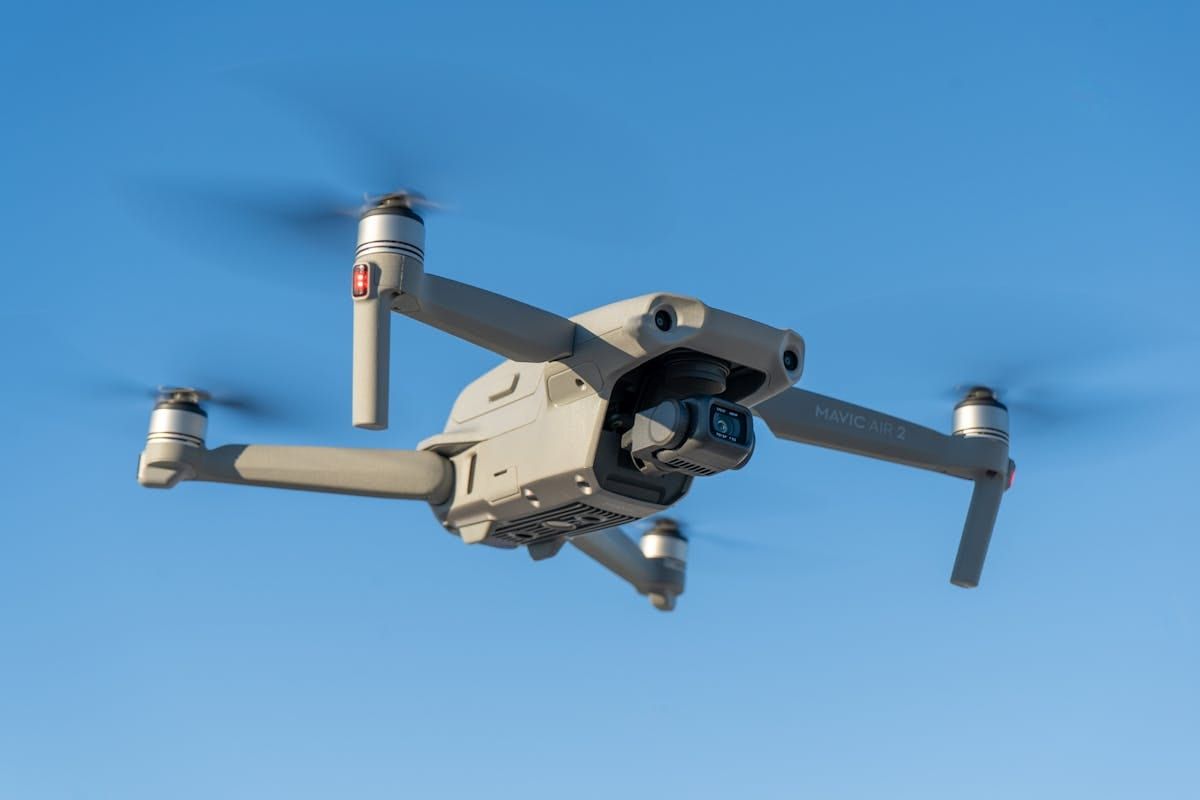
The FCC exempted the Italian-made Dronus K500L drone and its Nest V2 docking station from its Covered List on October 2, 2026, through a Conditional Approval granted by the Department of War. The exemption keeps both products eligible for FCC equipment authorization, but only while Dronus follows an onshoring plan and passes continued vetting.
The approval, reported by DRONELIFE, is notable because it shows a foreign-built drone can win a path into the US market under the FCC's post-2025 restrictions.
Background: How the FCC Covered List Blocks Foreign Drones
In December 2025, the FCC added foreign-produced unmanned aircraft systems (UAS) and their critical components to its Covered List, a national security designation for equipment regulators consider an unacceptable risk. Products on the list cannot receive new FCC equipment authorization, which is required to sell most radio-emitting devices in the US. The move blocked new DJI and Autel models, and the broader question of what that means for existing owners is covered in our guide on whether DJI is banned in the US.
The rule is not absolute. The Department of War or the Department of Homeland Security can determine that a specific product does not pose an unacceptable risk. The FCC then removes it from the list's restrictions through a Conditional Approval.
What Did the FCC Approve for Dronus?
The FCC's Public Safety and Homeland Security Bureau released a public notice on October 2, 2026, announcing new Conditional Approvals for drones, routers, and advanced robotic devices. Dronus S.p.A.'s K500L Uncrewed Aircraft System and its Nest V2 docking station were on the updated list, according to DRONELIFE.
| Detail | Status |
|---|---|
| Manufacturer | Dronus S.p.A. (Italy) |
| Products | K500L UAS and Nest V2 docking station |
| Approval type | Conditional Approval (Department of War) |
| Date | October 2, 2026 |
| Condition 1 | Follow the onshoring plan filed in its application |
| Condition 2 | Pass updated product vetting |
DRONELIFE reports that failing to follow the onshoring plan could end the approval and return the equipment to the Covered List. The source does not publish technical specifications for the K500L or a timeline for the onshoring milestones.
Why Foreign Production No Longer Means Automatic Exclusion
Onshoring means moving manufacturing, assembly, or other production steps into the United States. The K500L approval shows the FCC is judging products on compliance and vetting, not only on where a company is headquartered. As DRONELIFE puts it, foreign production does not automatically prevent a drone from receiving an exemption.
Two July 2026 changes set the stage, as covered in our report on the permanent Conditional Approval change:
- Conditional Approvals no longer expire automatically on December 31, 2026. They continue if the maker follows its onshoring plan and products pass updated vetting.
- Exemptions for Blue UAS Cleared List products and qualifying domestic end products now run to January 1, 2028.
The October 2 list also includes SiFly Aviation, Mobilicom, ScoutDI, Verge, Sees.ai, Air6 System, Elevon Aerial, Blueflite, Verity, Flock Safety, ABZ Innovation, Real-Time Robotics, Ceres Air, Exedy Globalparts, Parallel Flight Technologies, and Ascento.
What This Means for Drone Pilots
For most hobbyists, nothing changes today: the K500L and Nest V2 are a docked, automated system aimed at professional and industrial use, not a consumer camera drone. There is no consumer pricing or US availability date in the source.
The practical signals are broader:
- US-market choice for operators. Public safety agencies, utilities, and enterprise fleets get another compliant option beyond US-built and Blue UAS products.
- Compliance is the gate. Buyers should confirm a product's FCC authorization and Conditional Approval status before purchase, since an approval can be withdrawn.
- Consumer drones remain restricted. New DJI and Autel models still cannot receive FCC authorization, and the Conditional Approval path requires an onshoring commitment.
- Possible effect outside the US. Other markets are not bound by FCC rules, but manufacturers shaping production around US approval may change global product timelines.
FAQ
Sources: DRONELIFE | Morgan Lewis on FCC Covered List exemptions
More like this
Related Articles
Germany's Army Drone Regiment: 600 Soldiers, 500 km Reach
Germany will build its first Army drone regiment in 2027, with up to 600 soldiers and 500 km reach, as the US Army ends its drone…
Counter-Drone Lasers: Pentagon Picks 5 US Bases (2026)
The Pentagon chose AeroVironment, Epirus, Kord, and Boeing lasers for a yearlong counter-drone pilot at 5 US bases, starting fall…
Auterion's Nemyx VLS Packs 30% More Drones, Any Brand
Auterion's Nemyx vertical launcher fires drones from any manufacturer, packing 30% more aircraft per tube for military customers i…