FCC Drone Rule Is Official: Amazon Must Show FCC IDs
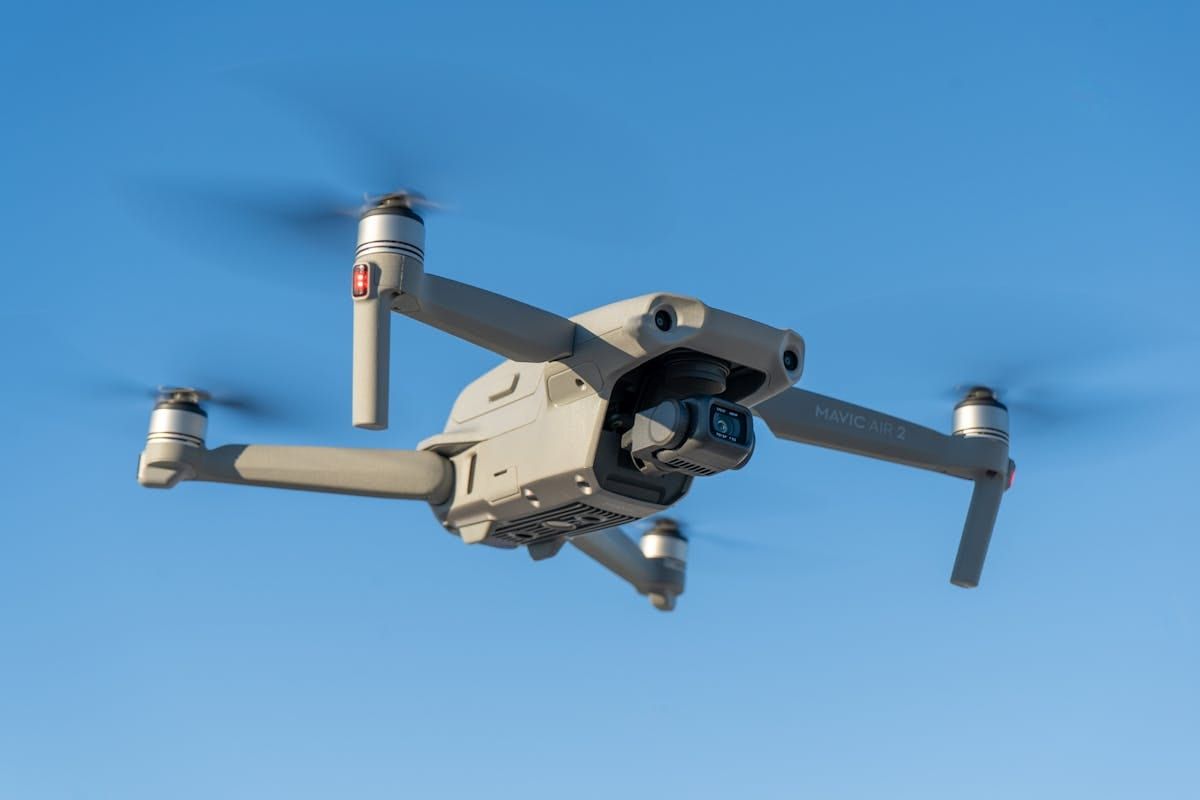
The FCC's Third Report and Order on equipment authorization was published in the Federal Register on September 11, 2026, and takes effect October 13, 2026. The rule blocks new US certifications for radio devices built with "logic-bearing" components from blacklisted Chinese suppliers, and it forces online marketplaces to display an FCC ID on every certified product listing starting March 1, 2027.
For drone buyers, the headline is what the rule does not do. Uncrewed aircraft already on the FCC's Covered List are explicitly carved out of the new component prohibition — so the order does not ground, ban, or de-authorize any drone you can buy today.
Background: What Equipment Authorization Actually Means
Every radio-transmitting device sold in the United States needs an equipment authorization — an FCC certification confirming the hardware meets US radio-frequency rules. Drones qualify, because their control link and video downlink are radios. No authorization means no legal import, marketing, or sale.
Since 2021 the FCC has also kept a Covered List: communications equipment and services the agency deems an unacceptable national security risk. DJI and Autel were added to it in 2022, which is why their newer models have faced a certification bottleneck. If you are unfamiliar with how this maps onto specific product lines, our complete guide to DJI's drone lineup tracks which families are affected.
The order published this week — ET Docket No. 21-232, FCC 26-50 — was adopted by the Commission on July 22, 2026 and released the following day. Federal Register publication is the step that starts the legal clock, which is why it is news now rather than in July.
The Component Loophole the FCC Just Closed
Until now the Covered List reached finished products, not the parts inside them. A manufacturer could build an otherwise ordinary device around a blacklisted supplier's chipset and still obtain certification, because the device itself was not produced by a covered entity.
The new rule ends that. It prohibits authorization of any device incorporating a logic-bearing hardware component produced by a Covered List entity — defined in the order as "any device, system, module, sub-assembly, integrated circuit, or other physical component that generates and uses timing signals or pulses at a rate in excess of 9,000 pulses (cycles) per second and uses digital techniques."
Two limits keep the disruption narrow:
- Existing authorizations are untouched. Equipment already certified may continue to be marketed, imported, and used.
- Pending applications are grandfathered as of the effective date — unless an applicant later amends the filing to add, substitute, or change a logic-bearing component, which resets it as a new application under the stricter rule.
Why Drones Are Exempt From the Component Ban
Uncrewed aircraft systems and UAS critical components that appear on the Covered List because of where they are produced stay exempt from the logic-bearing component prohibition, unless the producing entity is independently named on the Covered List in its own right.
That distinction matters. DJI and Autel are on the list as companies, but the broad UAS category was added on a production-location basis — and it is that category-wide listing the FCC declined to extend down to the component level. The practical effect is that a US or European drone maker sourcing a flight controller or radio module from a Chinese supplier does not automatically lose its path to certification on October 13.
This order is also separate from the FCC's proposed import ban on "military-grade" foreign drones under PS Docket No. 26-189, which remains pending. That proceeding drew 3,824 readable comments, 98.6% of them opposed, and no final rule has been adopted.
What Online Marketplaces Must Do, and When
The second half of the order is the part most drone shoppers will actually see. The FCC confirmed that its equipment marketing rules under 47 C.F.R. § 2.803 apply to e-commerce platforms, and it split them into two compliance tiers.
| Tier | Who it covers | Obligation | Deadline |
|---|---|---|---|
| Category 1 | Marketplaces with physical access to, or title over, the device | Display a valid FCC ID at point of sale and verify it matches the product listed | March 1, 2027 |
| Category 2 | Marketplaces hosting third-party listings without physical access or title | Verify the FCC ID is valid; the seller certifies its accuracy | June 1, 2027 |
Amazon sits in both tiers — Category 1 for the stock it holds and sells itself, Category 2 for its third-party seller listings. Walmart.com, eBay, Newegg, and comparable platforms fall under the same framework. The requirement was a centerpiece of Chairman Brendan Carr's July proposal, which named e-commerce platforms as the channel through which uncertified radio gear reaches US buyers.
What This Means for Drone Pilots
Nothing changes on October 13 for a drone you already own or one sitting on a shelf. No existing model loses its authorization, and no aircraft is added to any ban by this order.
What changes is the buying experience, starting in 2027. An FCC ID printed next to a listing is a fast, verifiable answer to a question that has been genuinely hard for US buyers since the Covered List expanded: is this aircraft legally authorized for sale here, or is it a grey-market import? You will be able to take the ID straight to the FCC's public equipment authorization database and confirm it. That check is worth building into your process — our drone buying guide covers the other pre-purchase due diligence worth doing.
Two caveats are worth holding onto. First, an FCC ID confirms radio certification only; it says nothing about whether a drone is eligible for federal or state agency procurement, which is governed by separate blue-list and NDAA rules. Second, the component carve-out for UAS is not a permanent settlement — the FCC signaled in the accompanying notice that it is weighing stricter controls, and the 26-189 import-ban proceeding is still live.
For commercial operators, none of this alters your operating privileges. Certification rules govern what may be sold; flight rules are unchanged, and Part 107 remains the framework for commercial work in US airspace.
FAQ
Sources: Federal Register, 91 FR 57798 | FCC Third Report and Order (FCC 26-50) | FCC Covered List | DroneDJ
More like this
Related Articles
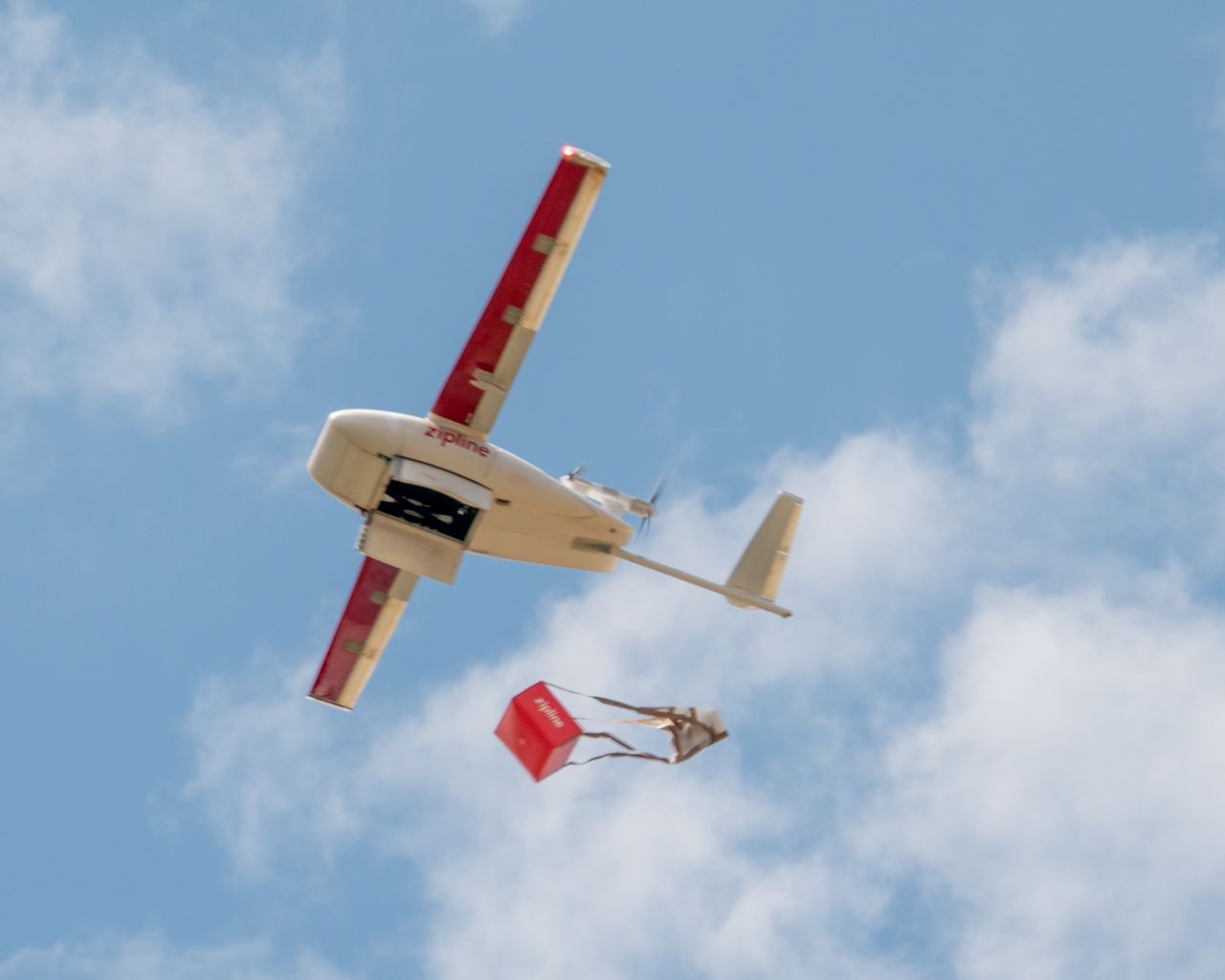
Zipline Asks FAA for 220,000 Texas Deliveries a Day
Zipline has filed a draft FAA environmental review seeking approval for 220,000 drone deliveries a day across five Texas metros —…
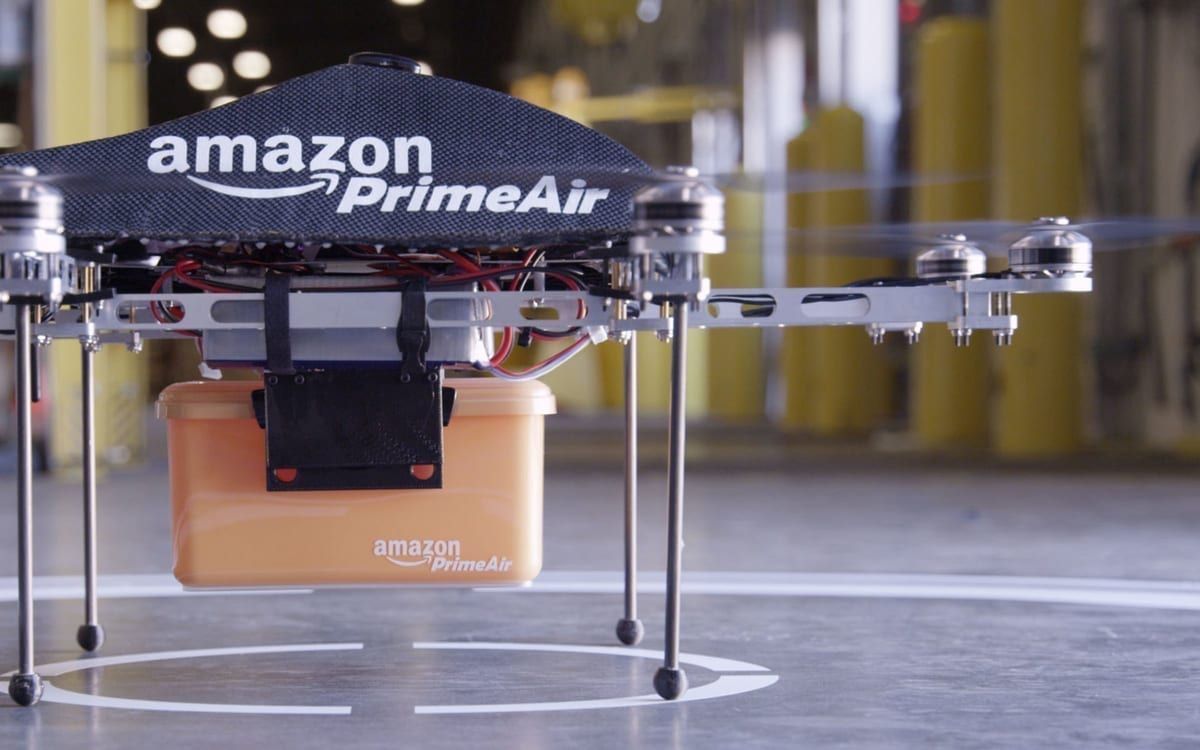
Amazon Seeks CAA Approval for Town-Wide UK Drone Delivery
Amazon has flown 500+ Prime Air deliveries in Darlington and wants CAA approval to cover the whole UK town — a key test case for w…
Wingcopter 262: 6-Hour Tactical eVTOL Debuts for Defense
Wingcopter unveiled the 262, an all-electric eVTOL with 150 km range and 6-hour endurance, built with Ukraine's TAF Industries for…