
FAA Clears Drone Delivery Nationwide, Skips Full EIS
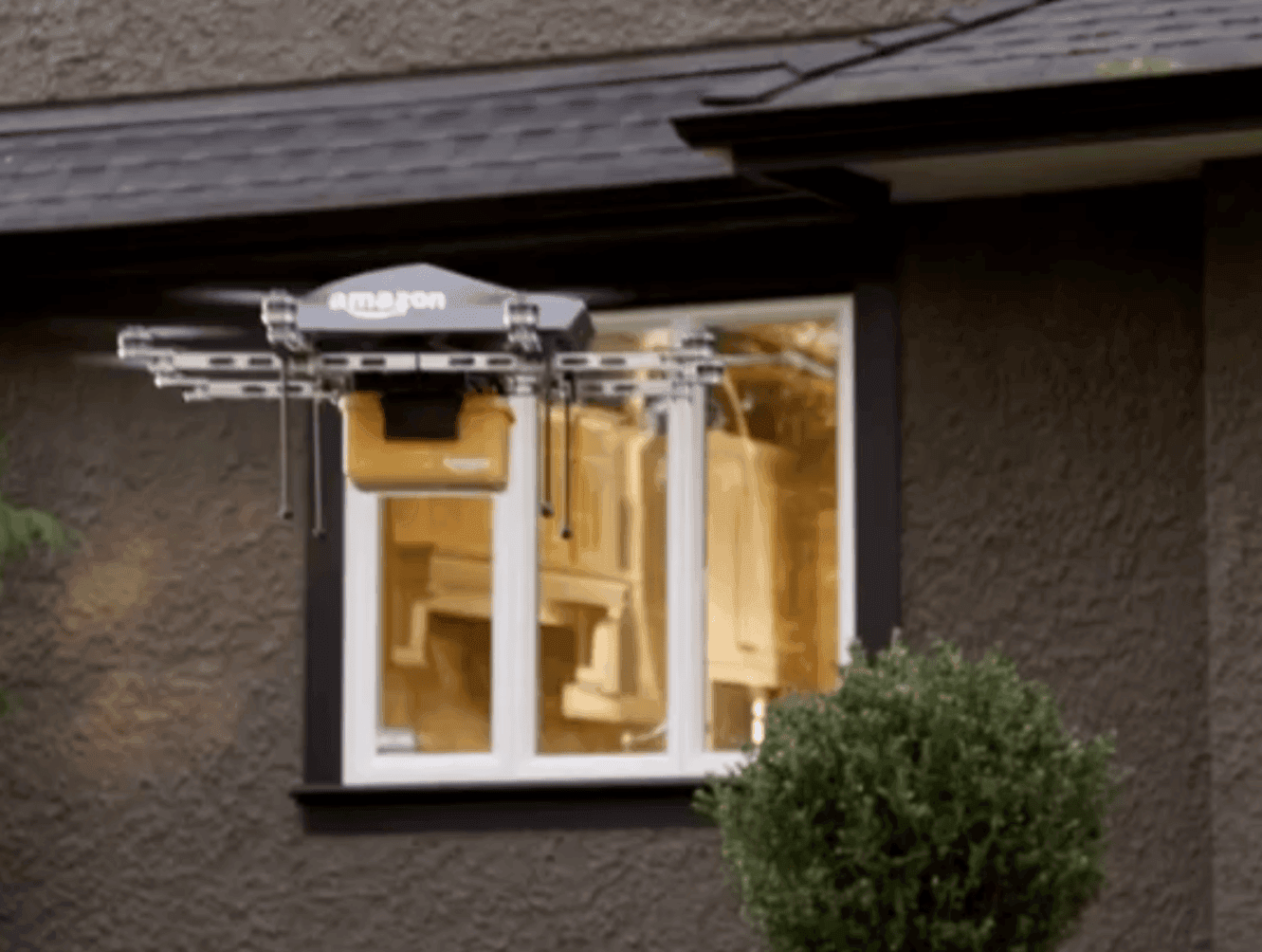
The FAA published a Final Programmatic Environmental Assessment and a nationwide Finding of No Significant Impact (FONSI) for Part 135 drone package delivery on July 30, 2026, ruling that a full Environmental Impact Statement is not required. The decision clears a standing federal hurdle for every certified drone airline — Amazon Prime Air, Wing, Zipline, UPS Flight Forward, and DoorDash Air among them — to scale delivery operations without repeating a full environmental review at each new site.
Background
A FONSI (Finding of No Significant Impact) is the legal conclusion a US federal agency reaches under the National Environmental Policy Act (NEPA) when it determines a proposed action does not require a full Environmental Impact Statement (EIS) — the lengthy, multi-year review reserved for projects with major environmental consequences. Since 2019, the FAA had been completing that review site by site: more than 20 separate environmental assessments for individual drone delivery proposals in states including Arizona, Arkansas, California, Florida, North Carolina, Ohio, Texas, Utah, and Virginia, each taking months to finalize.
The new Programmatic Environmental Assessment (PEA) replaces that repeat work with a single nationwide analysis. Under the Federal Register notice, the FAA can now lean on this one document to satisfy its NEPA obligations when it authorizes new delivery hubs under Part 135, the same air-carrier certificate that governs commercial cargo and passenger operators. Individual sites can still be pulled out for project-specific review if the FAA decides local conditions warrant it, but the default path no longer requires starting the environmental analysis from zero.
What the FONSI Changes for Operators
The practical effect is speed. Operators that already hold Part 135 certification — a group that grew to eight carriers after DoorDash Air won its certificate on July 29, 2026 — no longer need to wait on a fresh, hub-specific environmental study before opening new delivery routes covered by the PEA's scope. According to analysis from Reboot Hub, the underlying review anticipates hubs operating up to roughly 1,150 flights per day with a 600-foot setback from noise-sensitive sites such as homes, schools, and hospitals — figures that give operators a concrete planning ceiling for the first time, rather than a case-by-case negotiation.
That ceiling matters for how companies design their networks. A hub near that cap needs aircraft with real payload capacity and low downtime to make the flight count worthwhile, which favors operators like Zipline and Wing that have already logged hundreds of thousands of deliveries and tuned their fleets for throughput rather than one-off demonstrations.
Sixteen State Attorneys General Push Back
Not everyone accepts the FAA's conclusion. A coalition of 16 state attorneys general, led in part by California's Rob Bonta, sent the FAA a formal comment letter arguing the draft PEA moved too fast and understated real risks — specifically citing fire and smoke hazards from malfunctioning lithium-ion drone batteries, along with noise and privacy impacts on residential neighborhoods. The coalition's position is that these cumulative, nationwide effects deserve the deeper scrutiny of a full EIS, not a programmatic assessment covering the whole country at once.
The FAA's FONSI does not require the agency to change course in response to comments like these; a FONSI is a final determination, not a proposal still open for negotiation. But the scale of opposition — 16 states plus a Texas county — signals the fight over federal drone delivery approval is shifting from individual site permits to the legal legitimacy of the nationwide framework itself, a dispute that could still play out in court.
What This Means for Drone Pilots
For commercial Part 135 operators, this is the clearest regulatory tailwind drone delivery has had all year: one less multi-month environmental study standing between a business plan and an operating hub. For hobbyist and Part 107 pilots, the ruling has no direct effect — it applies specifically to certificated delivery carriers, not to recreational or standard commercial drone flights. It's a useful reminder of how differently drone operations are regulated depending on the certificate involved; see our guide to the FAA Part 107 license for how that framework differs from Part 135, and our explainer on BVLOS operations for the beyond-visual-line-of-sight rules that still govern how far a delivery drone can fly from its operator.
Pilots and businesses outside the US should also watch this closely. The FAA's programmatic approach — one environmental review standing in for dozens of site-specific ones — is the kind of regulatory shortcut that EASA and other civil aviation authorities tend to study when deciding how to scale their own BVLOS and delivery frameworks.
FAQ
Sources: Federal Register — Notice of Availability of the Final PEA and FONSI/ROD | FAA — Package Delivery by Drone (Part 135) | Reboot Hub — FAA Nationwide Drone Delivery Ruling Analysis
More like this
Related Articles
Drone Halts Flights at Reagan National for 20 Minutes
An unauthorized drone forced a 20-minute halt of all Reagan National Airport flights on Sept. 16, 2026 — here's what happened and…

Joby Completes First 3,199-Mile Autonomous US Flight
Joby's J208 flew 3,199 miles across the US with zero pilot input on September 18, 2026 — the first fully autonomous coast-to-coast…
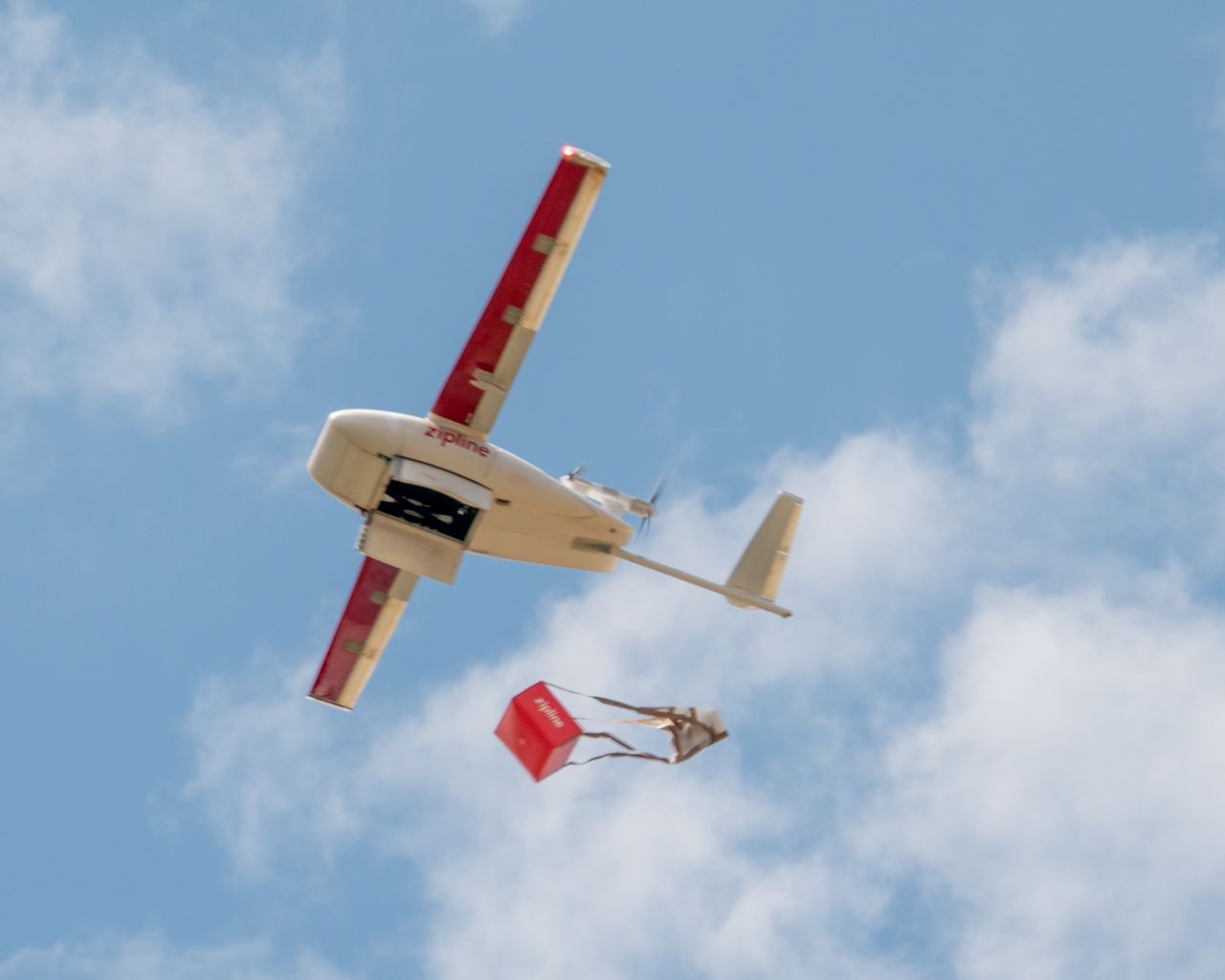
Zipline Nears $20B Valuation in New $1B Funding Round
Zipline is in talks to raise about $1 billion at a $20 billion valuation, nearly tripling its worth as US drone delivery scales pa…