DoorDash Air Wins FAA OK, Becomes 8th Drone Airline
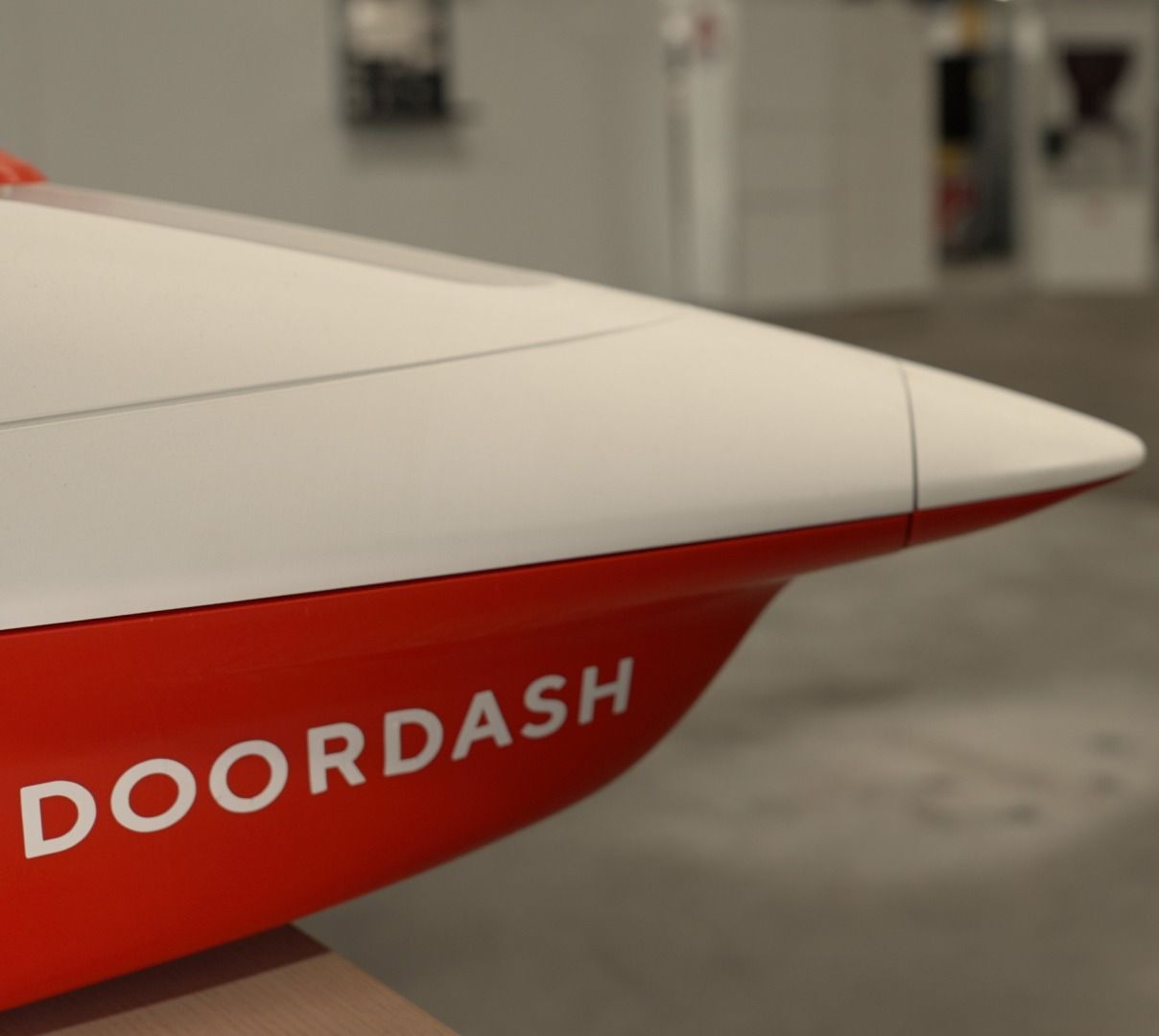
DoorDash received FAA Part 135 air carrier certification on July 29, 2026, clearing its in-house drone program, DoorDash Air, to make commercial deliveries. The approval makes DoorDash the eighth US operator to hold the certificate, and the first major food-delivery marketplace to become its own drone airline rather than buying capacity from a partner.
Background: Why an FAA Air Carrier Certificate Matters
Part 135 is the FAA's air carrier certificate for on-demand commercial operators — the same regulatory category commercial helicopter and charter services use, now extended to drones flying beyond visual line of sight (BVLOS), meaning the pilot doesn't need to keep the aircraft in sight to fly it legally. Earning it requires a five-stage review of aircraft airworthiness, maintenance programs, dispatch procedures, and safety systems, and it makes the holder legally an airline: its own aircraft, its own operations manual, and its own liability for every flight. Read our explainer on BVLOS rules for how this differs from the recreational and standard commercial flying most operators do under a Part 107 license.
DoorDash is only the eighth company to clear that bar in the US, joining a short list that includes Amazon Prime Air, Wing, Zipline, Matternet, and Flytrex. Each of those companies spent multiple years and, in several cases, went through public setbacks before certification. DoorDash built and certified its aircraft through DoorDash Labs, the company's in-house robotics and autonomy division, rather than partnering with an existing drone operator for its US launch.
How DoorDash Air Works
DoorDash designed the aircraft itself, an American-built drone using mostly domestically sourced components, according to the company's announcement. Harrison Shih, head of DoorDash Air, described the approach as full vertical integration: "We're building the full stack to make that possible from the ground infrastructure to the drone itself."
That stack covers aircraft design, launch and landing infrastructure, merchant handoff procedures, inventory syncing, dispatch, and delivery routing — all run through DoorDash's existing marketplace rather than a separate app or portal. The goal is targeting orders in the 3–5 mile range, a distance band that made up more than 20% of DoorDash's 2025 order volume and took roughly 25% longer to deliver than shorter trips by car. Drone flights in that range complete in under 25 minutes on average, per the company.
Merchants in DoorDash's pilot program saw close to a 30% increase in order volume, sustained over nine weeks after drone delivery went live at their locations. DoorDash has logged over 10 billion lifetime orders on its platform and says it has already completed tens of thousands of drone deliveries through earlier partner pilots before this certification. Commercial deliveries under the new certificate are expected to begin this fall; DoorDash has not yet named the first cities.
How DoorDash Air Compares to Other US Drone Delivery Operators
| Operator | Model | Part 135 certified | Notable scale |
|---|---|---|---|
| Amazon Prime Air | Vertically integrated | Yes | Multiple US metro launches |
| Wing (Alphabet) | Partner network | Yes | 400,000+ deliveries, Walmart partnerships |
| Zipline | Partner network | Yes | 2.5M+ deliveries worldwide |
| Flytrex | Partner + multi-modal | Yes | 200,000+ US drone deliveries |
| DoorDash Air | Vertically integrated | Yes (new, July 2026) | Tens of thousands via pilots; nationwide marketplace reach |
DoorDash's approach most closely mirrors Amazon's: control the aircraft, the infrastructure, and the marketplace instead of licensing capacity from a third party. That's a contrast with the Flytrex–Nash multi-modal model announced the same week, which routes orders between drones and human couriers through a partner network instead of owning both ends.
A Part 135 certificate is not a nationwide blanket approval — DoorDash can only fly in the specific geographic areas named in its operations specifications, so the rollout will expand market by market rather than switching on everywhere at once.
What This Means for Drone Pilots
For commercial drone operators and BVLOS specialists, DoorDash Air adds a well-funded eighth data point that the FAA's Part 135 pathway for autonomous delivery is repeatable, not a one-off exception for logistics specialists like Zipline and Wing. That matters for the pending Part 108 rulemaking, the FAA's broader BVLOS framework meant to replace one-off Part 135 and waiver approvals with a standardized process — every new certificate holder adds operational data the FAA can point to as it finalizes that rule.
It also signals rising competition for drone hardware, ground-infrastructure, and flight-operations talent: DoorDash is currently hiring for roles including flight operations lead and head of drone operations, competing directly with Amazon, Wing, and Zipline for the same small pool of certificated remote pilots and airspace-integration engineers. Pilots and technicians with Part 107 or Part 135 experience should expect more openings like these as marketplace and logistics companies build in-house drone teams instead of outsourcing.
FAQ
Sources: DoorDash official announcement | DRONELIFE | DroneXL
More like this
Related Articles
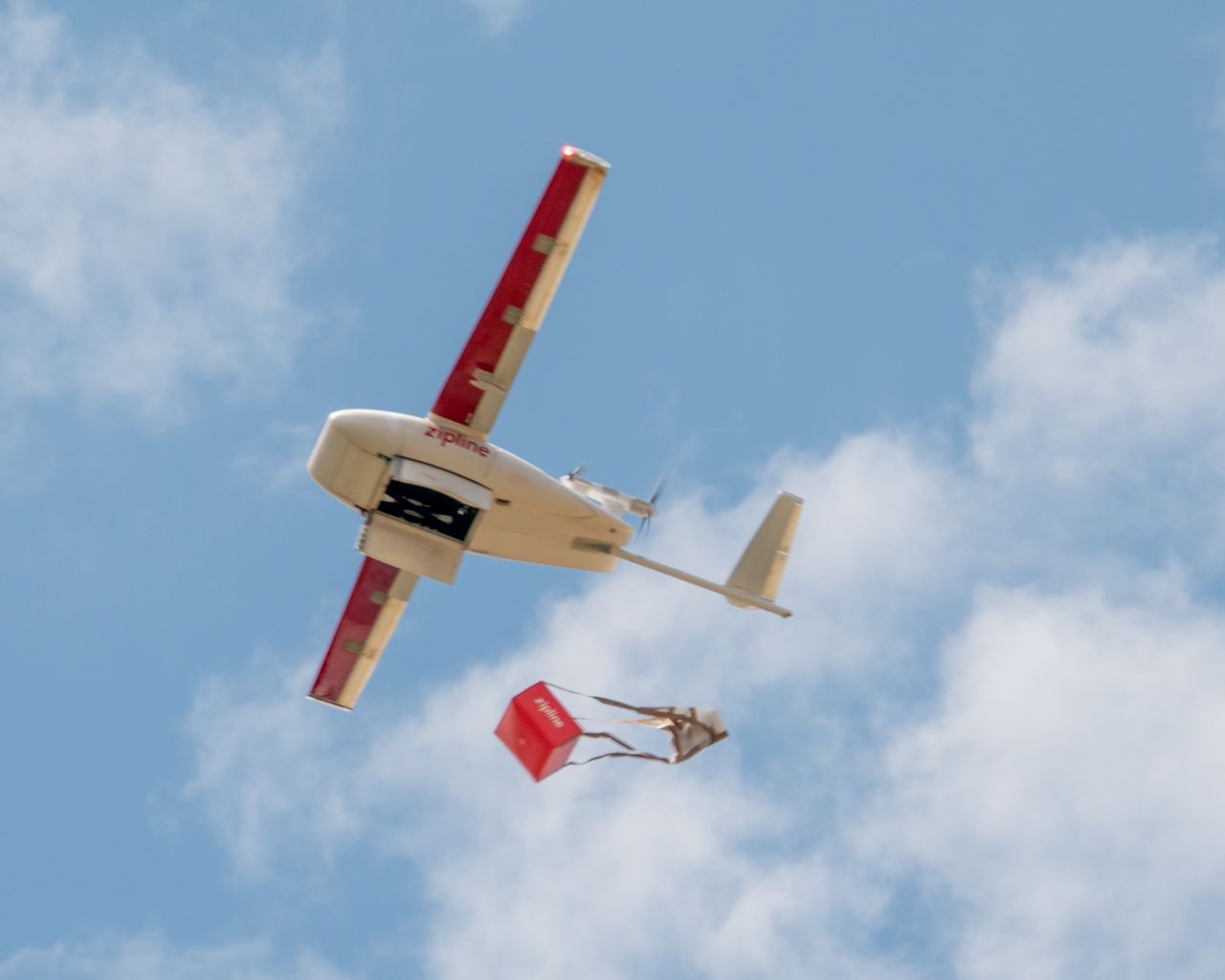
Zipline Asks FAA for 220,000 Texas Deliveries a Day
Zipline has filed a draft FAA environmental review seeking approval for 220,000 drone deliveries a day across five Texas metros —…
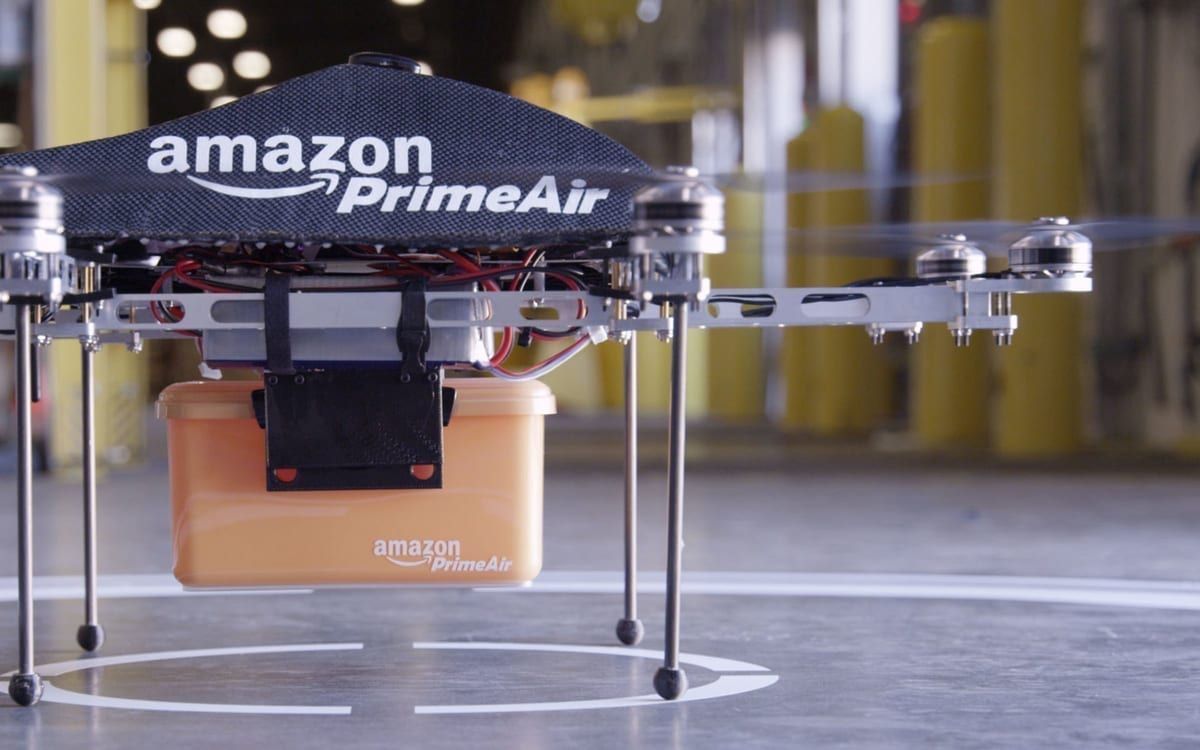
Amazon Seeks CAA Approval for Town-Wide UK Drone Delivery
Amazon has flown 500+ Prime Air deliveries in Darlington and wants CAA approval to cover the whole UK town — a key test case for w…
Wingcopter 262: 6-Hour Tactical eVTOL Debuts for Defense
Wingcopter unveiled the 262, an all-electric eVTOL with 150 km range and 6-hour endurance, built with Ukraine's TAF Industries for…