DJI Still 97% of US Contractor Drones Despite FCC Ban
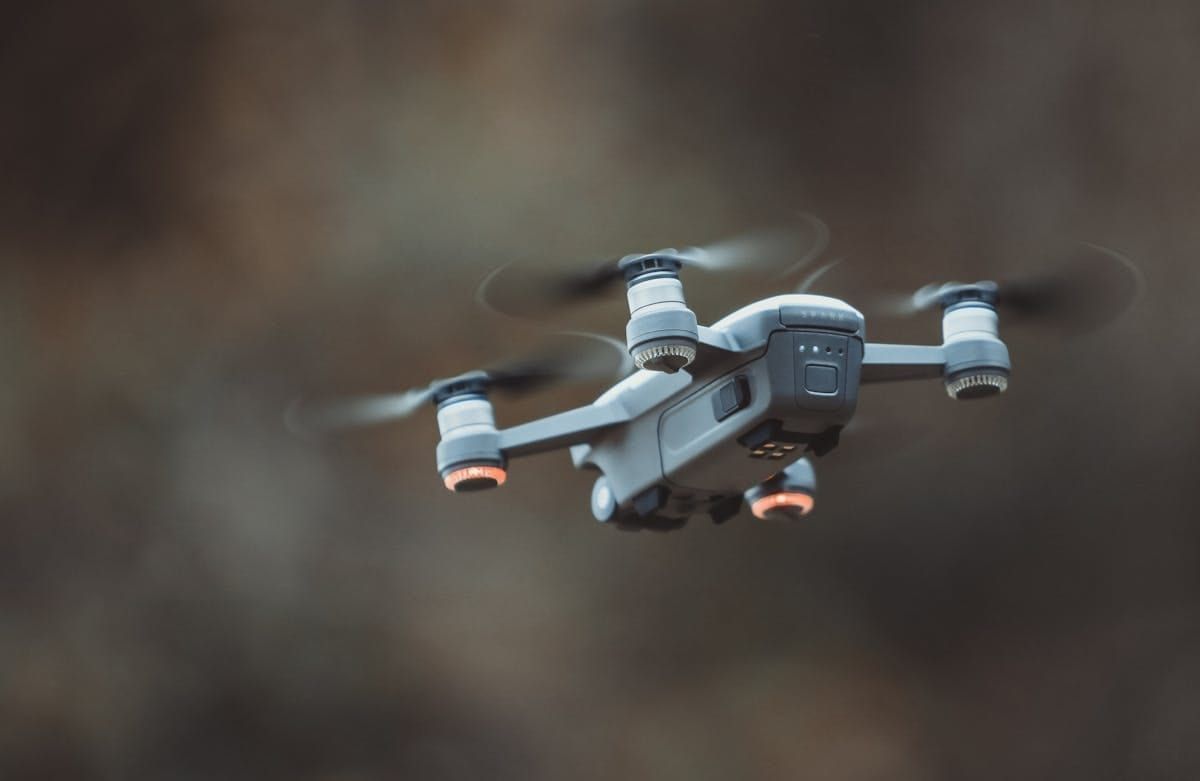
DJI remains the primary drone brand for 97.1% of Associated Builders and Contractors (ABC) members who fly, according to a survey the trade group published on August 17, 2026. The finding, first reported by DroneXL on August 24, shows the FCC's foreign-drone Covered List restrictions have barely dented DJI's grip on the US construction industry eight months after the ban on new model authorizations took effect.
Background: The FCC's Covered List
The FCC added DJI drones and components to its Covered List in December 2025, blocking the agency from authorizing any new DJI models for sale in the United States. The Covered List is an FCC registry of communications equipment the agency has determined poses a national security risk; once a company's products are added, no new models can receive the FCC equipment authorization required to legally sell radio-frequency devices in the US.
Previously authorized DJI drones can still be sold, owned, and flown — the restriction only blocks new model approvals. DJI has contested the underlying national security rationale in court, filing a petition with the US Court of Appeals for the Ninth Circuit in February 2026 arguing the FCC exceeded its statutory authority.
In July 2026, the FCC's Public Safety and Homeland Security Bureau went further, releasing Public Notice DA 26-758 to propose banning the import and marketing of already-authorized foreign drones classified as "military-grade" — a category that includes any drone carrying a thermal sensor, any drone carrying LiDAR, and drone docking stations used in automated programs. The public comment window on that proposal closes September 2, 2026.
What the ABC Survey Found
ABC surveyed its contractor members between May 1 and May 15, 2026 — a pool representing roughly 24,000 member companies. Of respondents, 36.1% said they fly drones on the job, 62.4% do not, and 1.4% were unsure.
Among the contractors who do fly, DJI's dominance was overwhelming, and unprompted: ABC didn't ask respondents to name DJI specifically, it asked what brand they primarily fly.
| Manufacturer | Primary drone fleet | Secondary drone fleet |
|---|---|---|
| DJI | 97.1% | 86.2% |
| Autel Robotics | 2.9% | — |
| Skydio | 0% | 5.2% |
| Parrot | — | 1.7% |
Drones are put to work mainly for site progress monitoring (80.8% of flying contractors), marketing and media (77.5%), and inspections and mapping (50%) — the kind of repetitive aerial documentation covered in our guide to aerial mapping and photogrammetry. Investment stays modest: 61.9% of contractors report spending between $1,000 and $10,000 total on drone hardware.
Two figures matter most for what comes next. ABC found 19.8% of contractor fleets include a thermal camera and 18.8% include LiDAR — exactly the sensor categories the FCC's pending "military-grade" proposal targets for an import and marketing ban.
What This Means for Drone Pilots
For contractors already flying DJI, day-to-day operations don't change: the FCC's Covered List action doesn't revoke authorizations already granted, so existing DJI drones stay legal to own and fly. The pressure is on replacement and expansion. Fleet managers who lose a Mavic or Matrice to damage, theft, or battery failure can't buy a newer-generation DJI model with fresh FCC approval — and if the July proposal advances, replacing a thermal or LiDAR-equipped unit gets harder too, since import and marketing of those categories would stop roughly 180 days after the rule's Federal Register publication.
ABC Vice President of Construction Technology and Innovation Matt Abeles said the survey shows "regulatory hurdles and training challenges still limit broader adoption," and the group is calling on lawmakers to streamline compliance requirements rather than let the rules outpace how contractors actually use the equipment. Contractors evaluating alternatives should start with our complete guide to DJI's current model lineup to understand which models remain purchasable while they weigh Autel or Skydio as backup options — Skydio registered 5.2% of secondary fleets in the survey despite zero share as a primary platform.
Firms in the 19.8%–18.8% thermal/LiDAR overlap have the shortest runway. The FCC's comment window on the military-grade proposal closes September 2, 2026 — the last chance for contractors to weigh in before the rule potentially locks in future replacement costs for public safety and infrastructure inspection programs that depend on that hardware.
FAQ
Sources: DroneXL | Associated Builders and Contractors | FCC Public Notice DA 26-758
More like this
Related Articles
Dronus K500L Drone Gets FCC Ban Exemption (Oct 2026)
The FCC granted the Italian Dronus K500L drone a Covered List exemption on Oct. 2, 2026. Here's what the Conditional Approval requ…

Germany's Army Drone Regiment: 600 Soldiers, 500 km Reach
Germany will build its first Army drone regiment in 2027, with up to 600 soldiers and 500 km reach, as the US Army ends its drone…

Counter-Drone Lasers: Pentagon Picks 5 US Bases (2026)
The Pentagon chose AeroVironment, Epirus, Kord, and Boeing lasers for a yearlong counter-drone pilot at 5 US bases, starting fall…