Vantis BVLOS Network Tests Medical Drone Delivery
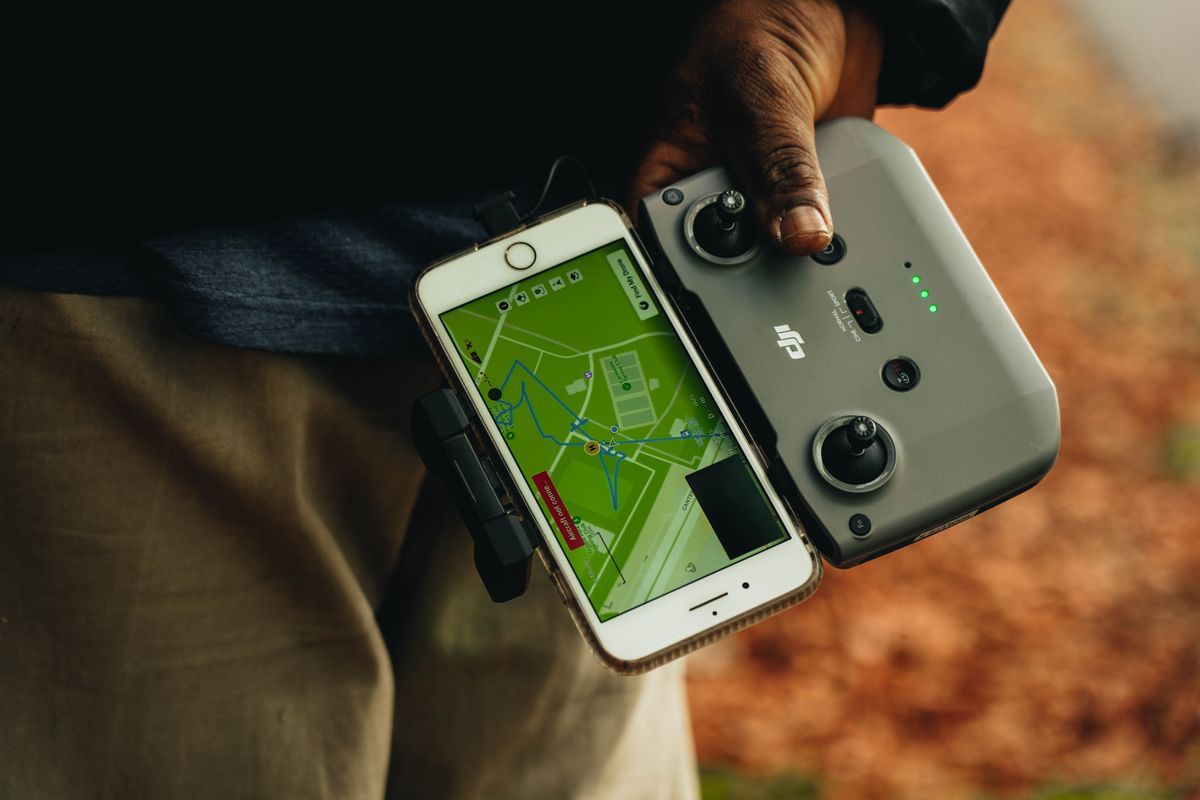
The Northern Plains UAS Test Site flew live drone demonstrations on Vantis, North Dakota's statewide network, on September 16, 2026, showing CVS Health testing mobile-pharmacy delivery and Kelly Hills Unmanned flying autonomous crop-spraying missions beyond visual line of sight. The event, held at Gorman Field during the National Association of State Aviation Officials' annual convention, gave state aviation leaders a real-world look at commercial drone operations the FAA's pending BVLOS rule aims to unlock nationwide.
BVLOS (Beyond Visual Line of Sight) is drone flight where the remote pilot cannot see the aircraft with the naked eye and instead relies on sensors, detect-and-avoid systems, and ground infrastructure like Vantis to fly safely beyond that range. Read our full BVLOS explainer for how the FAA's waiver system works today.
Background: What Vantis Is and Why It Matters
Vantis launched in 2019 as the nation's first statewide BVLOS system, the product of more than two decades of investment by North Dakota's UAS program. The Northern Plains UAS Test Site (NPUASTS), one of nine FAA-designated UAS test sites, administers the network and provides operators with regulatory expertise, airspace research, and commercialization support.
The network already supports agricultural operations, bridge inspections, emergency response, and medical delivery across the state. Since July 1, 2026, NPUASTS has offered Vantis access to outside operators at no cost for at least a year — including API connectivity, training on the statewide infrastructure, and direct technical support. Approved operators can fly aircraft weighing up to 1,320 pounds at altitudes up to 17,999 feet MSL, depending on location.
The timing lines up with the FAA's own regulatory calendar. Part 108, the FAA's proposed rule to replace today's case-by-case BVLOS waivers with standardized categories, has been under review at the Office of Information and Regulatory Affairs since July 10, 2026 — the final step before publication. Robert Reckert of the FAA has said the agency hopes to publish the rule by the end of 2026. Vantis gives operators a working sandbox to build experience while that rulemaking plays out.
What Happened at Gorman Field
Live flights on September 16 gave visiting state aviation officials a side-by-side look at two of the use cases Vantis was built for. CVS Health's CVS Air Response team demonstrated a mobile-pharmacy concept for delivering medical supplies, while Kelly Hills Unmanned Systems — working with French defense and technology company Thales — flew autonomous agricultural aircraft. SkyfireAI also took part in the demonstrations.
"This demonstration gives state aviation officials an opportunity to see what BVLOS operations can look like when the aircraft, infrastructure, technology and operational expertise come together," said Trevor Woods, NPUASTS executive director.
Josh Wright, a CVS Health manager who worked on the mobile-pharmacy demo, framed the medical use case in broader terms: "Unmanned aircraft can become a practical extension of the healthcare supply chain, helping to expand access to care." Our guide to drones in medicine covers how similar delivery models are already moving blood, vaccines, and prescriptions in other markets.
Thales North America CEO Rob Geckle tied the demo to the network layer underneath both use cases: "Secure communications, situational awareness and scalable infrastructure are critical" for BVLOS operations to scale beyond pilot programs. Thales is a recurring partner across state BVLOS projects — the company also supplies the airspace platform behind a separate Kansas network that opened to agricultural operators in August 2026.
What This Means for Drone Pilots
Vantis's free-access program is open to any operator willing to fly under North Dakota's airspace rules, not just companies headquartered in the state — a rare chance for commercial pilots anywhere in the US to log real BVLOS flight hours on FAA-recognized infrastructure before Part 108 makes standardized BVLOS approvals routine nationwide.
For pilots outside North Dakota, the practical takeaway is what Vantis proves rather than what it offers directly: state-level and regional BVLOS networks — Vantis, the Kansas Thales network, and others in development — are becoming the testing ground where the operational playbook for Part 108 gets written. Operators who fly on these systems now will have a head start once nationwide rules take effect. International pilots should watch the same trend at home: BVLOS network models like Vantis are frequently cited by regulators in Europe, Australia, and elsewhere as a template for scaling drone delivery and agricultural BVLOS beyond isolated waivers.
FAQ
Sources: DRONELIFE | Commercial UAV News | The Flight Brief
More like this
Related Articles
Drone Halts Flights at Reagan National for 20 Minutes
An unauthorized drone forced a 20-minute halt of all Reagan National Airport flights on Sept. 16, 2026 — here's what happened and…
Joby Completes First 3,199-Mile Autonomous US Flight
Joby's J208 flew 3,199 miles across the US with zero pilot input on September 18, 2026 — the first fully autonomous coast-to-coast…
Zipline Nears $20B Valuation in New $1B Funding Round
Zipline is in talks to raise about $1 billion at a $20 billion valuation, nearly tripling its worth as US drone delivery scales pa…