FCC Denies Extension: Drone Ban Comments Due Sept. 2
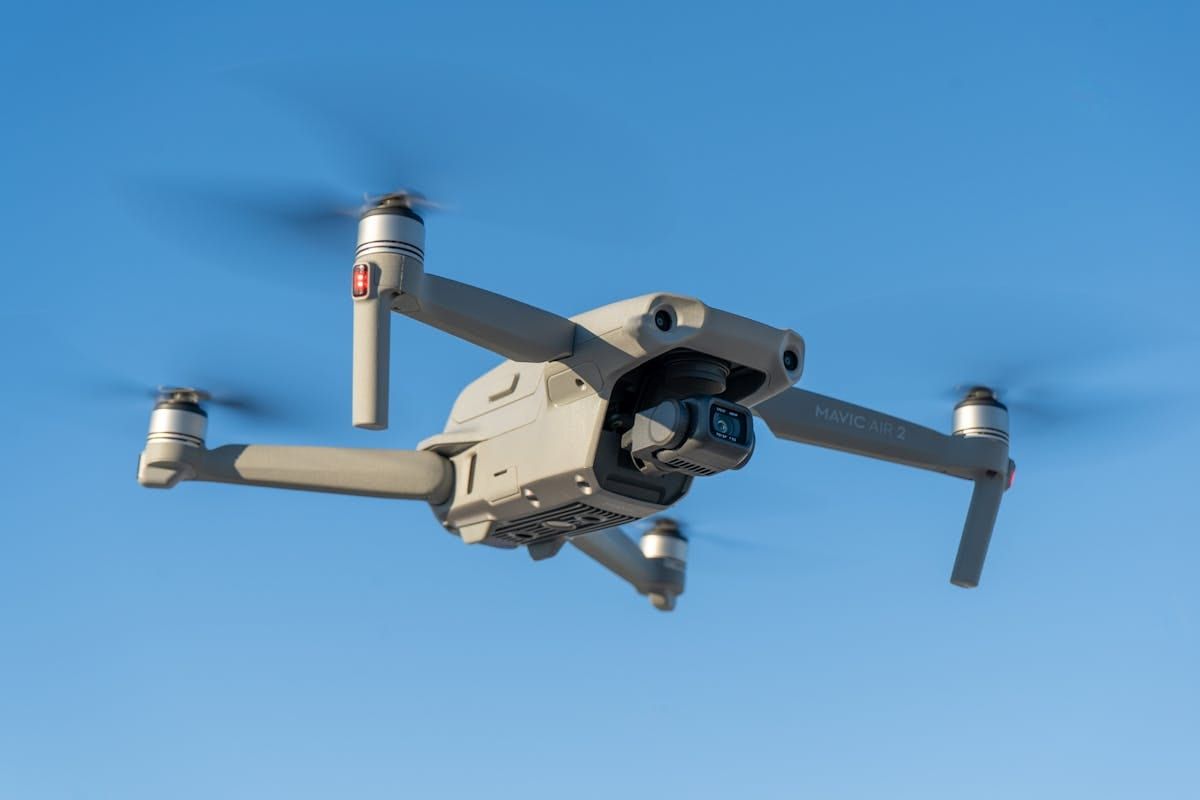
The Federal Communications Commission has denied requests from three industry groups to extend its September 2, 2026 deadline for public comments on a proposed ban on "military-grade" drones, keeping the window open for barely 48 more hours. The rule under review would bar continued US sales of already-approved thermal, LiDAR, and swarm-capable drones widely used in commercial operations.
The denial, confirmed in FCC filings reviewed by industry press this week, means Tuesday, September 2 remains the hard cutoff for anyone who wants their objections or support on the record before the agency decides whether to advance the rule.
Background: A Rule Eight Months in the Making
This is the latest step in a regulatory campaign against Chinese-made drone equipment that began in December 2025, when the FCC added DJI and Autel Robotics to its "Covered List" — a national-security designation that blocked authorization of new models and key components from both manufacturers, while already-certified products stayed on the market.
The current proposal goes further. On July 21, 2026, the FCC's Public Safety and Homeland Security Bureau proposed banning the import, marketing, and sale of foreign-made "military-grade" drones — this time targeting entire equipment categories rather than named brands, and reaching products the agency had already approved for sale. DJI has since urged American pilots to file comments opposing what it calls an overly broad definition. The proposal was published in the Federal Register on August 3, 2026, which set the formal comment deadline in PS Docket No. 26-189 at September 2 — 30 days later.
What Is the FCC Proposing to Ban?
The FCC's proposed "military-grade" definition spans seven categories of foreign-produced drones and components already on its Covered List, according to the Federal Register notice:
| Category | What it covers |
|---|---|
| Heavy aircraft | Any UAS weighing 55 lb (25 kg) or more at takeoff |
| Agricultural spraying | Drones capable of dispensing an "economic poison" under FAA rules |
| Thermal imaging | UAS equipped with thermal-imaging sensors |
| LiDAR | UAS equipped with LiDAR sensors |
| Docking stations | Autonomous docks used for recurring landing and recharging |
| Defense-article design | UAS "specially designed to incorporate a defense article" |
| Swarming | Coordinated multi-UAS systems, including drone light shows |
Nothing is banned yet — the FCC is still gathering comment on whether this list correctly captures genuinely military-grade equipment, whether domestically produced alternatives exist at comparable scale, and what the economic impact of a ban would be. But because the categories cover equipment DJI and Autel already sell legally in the US, including inspection and public-safety drones with thermal cameras, the rule would be retroactive in effect if adopted as written.
Why the FCC Denied the Extension Request
Three organizations asked the FCC to push back the deadline: public-safety group DRONERESPONDERS on August 24, the Commercial Drone Alliance on August 26, and the American Fuel & Petrochemical Manufacturers shortly after. All three said they needed more time to consult affected members and document how the rule would hit equipment supply chains, cybersecurity practices, and public-safety operations.
The FCC turned them down. In its denial, the agency wrote that "national security concerns require us to act as expeditiously as possible when deciding on such an important public interest matter," according to DroneLife's review of the order. That leaves operators, agricultural users, and public-safety agencies with the original 30-day window — and no further extensions — to make their case on the record.
What This Means for Drone Pilots
Today is effectively the last full day to act. Comments must be filed through the FCC's Electronic Comment Filing System (ECFS) under PS Docket No. 26-189 before the close of business on September 2 to become part of the official record the FCC reviews before any vote.
The practical stakes are highest for operators who depend on equipment in the seven flagged categories: agricultural spraying drones, thermal-imaging aircraft used in inspection and search-and-rescue, LiDAR mapping platforms, and autonomous docking stations. If the FCC adopts the rule after this comment period, replacement parts, firmware updates tied to new hardware, and future model imports in these categories could become harder to source in the US — regardless of when the original drone was purchased. Pilots operating under US drone regulations more broadly should note that this proposal is separate from, and stacks on top of, the FCC's existing Covered List restrictions and the Section 232 tariffs that took effect in stages starting August 2026.
Operators outside the US aren't directly bound by an FCC rule, but the same equipment categories — heavy spraying drones, thermal and LiDAR platforms, docking stations — are the backbone of commercial drone fleets worldwide. A final rule that squeezes US supply and support for DJI's and Autel's professional lines would likely have knock-on effects for parts availability and firmware support anywhere those fleets operate.
FAQ
Sources: Federal Register | DroneLife
More like this
Related Articles
FAA Drone Ban Along US-Mexico Border Starts Oct 2026
The FAA has banned unauthorized drones within 1 nautical mile of the entire US-Mexico border, up to 400 feet. Here is who is affec…
FCC Files Sealed Pentagon DJI Letters in Ban Fight
The FCC filed eight Pentagon letters on DJI under seal and says its ban did not rely on them. Here is what Section 1709 means and…
Skydio ISR Command Lets 1 Soldier Fly 2 X10D Drones
Skydio ISR Command lets one soldier fly two X10D drones and pass target grids to strike platforms up to F-16s. See what launched a…