FAA Drone Ban Along US-Mexico Border Starts Oct 2026
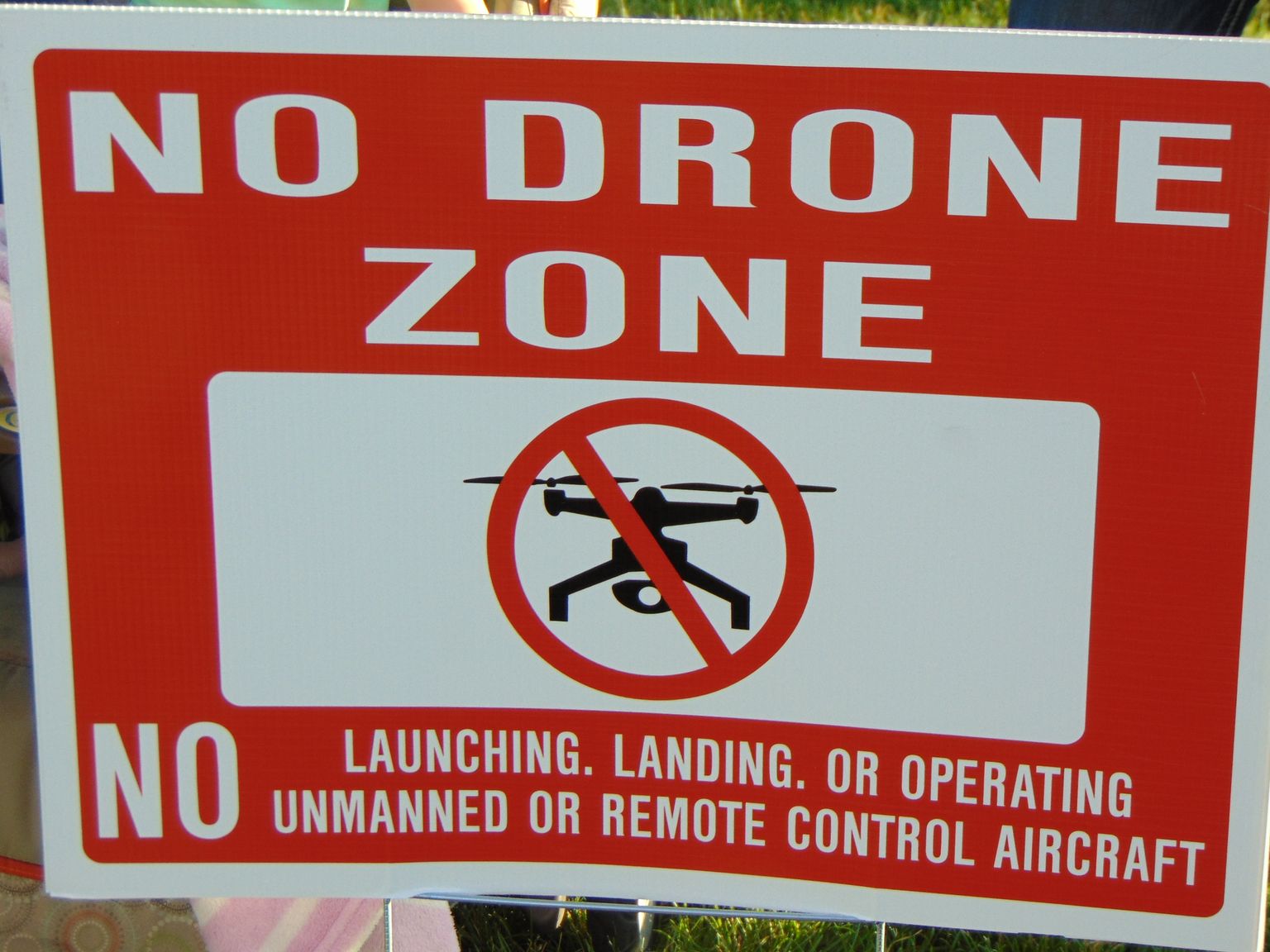
The FAA, the Department of Transportation, the Department of War, and the Department of Homeland Security announced on October 16, 2026 a temporary flight restriction that bans unauthorized drones within one nautical mile (about 1.15 miles) of the entire US-Mexico border, from the surface up to 400 feet. Officials say it targets cartel drones, but it covers civilian pilots too.
The restriction runs along the whole border, from the Pacific to the Gulf of Mexico, according to the joint federal announcement. Flights need prior permission from U.S. Customs and Border Protection (CBP).
Background
A temporary flight restriction (TFR) is airspace the FAA closes to most aircraft for a set period, usually for security or safety. Border-area restrictions are not new in 2026. The FAA has repeatedly closed smaller pieces of airspace near El Paso and Fort Hancock, Texas, this year after reported cartel drone incursions, and in August 2025 it banned drones over roughly 150 square miles north of Nogales, Arizona.
What is new is the scale: one continuous strip covering the entire southern border instead of local patches. The FAA classifies the airspace as National Defense Airspace, a category that lets the military act against aircraft judged to be a threat.
What the Border Drone Restriction Covers
The restriction applies to every unmanned aircraft, including recreational drones under 250 grams, according to DroneXL's reading of the FAA NOTAMs (Notices to Air Missions, the FAA's official flight alerts).
| Item | Detail |
|---|---|
| Area | 1 nautical mile north of the border, Pacific to Gulf |
| Altitude | Surface to 400 feet above ground |
| Aircraft | All drones, including those under 250 g |
| Duration (per NOTAMs reported by DroneXL) | Through October 19, 2027 |
| Permission | CBP, requested at least 48 hours ahead |
| Towns inside the zone | Parts of El Paso, Laredo, Brownsville, Nogales, Calexico |
One point is unclear in the coverage. Officials described the restriction as effective at the October 16 announcement, while DroneXL reports the NOTAMs take effect at 00:00 UTC on October 20, 2026. Check the live NOTAM before any flight near the border. As of Friday afternoon, DroneXL noted the zone had not yet appeared on the FAA's TFR list.
Who Can Fly and What Are the Penalties?
Only operators with CBP permission can fly inside the zone. DroneXL reports that approvable categories include national defense, homeland security, law enforcement, firefighting, medevac, search and rescue, and disaster response. Routine recreational or commercial flying has no listed category.
Requests should include the operator's name, FAA certifications, phone number, flight date, time and location, plus the drone's Remote ID, make, model, and serial number.
Violators can be intercepted, detained, fined, lose FAA certificates, or face criminal charges under 49 U.S.C. 46307, according to the NOTAM text cited by DroneXL. Federal agencies may also disable or destroy drones judged to be credible threats.
"Our warfighters will shoot down any cartel drone that threatens America's sovereignty," Secretary of War Pete Hegseth said in the announcement. Homeland Security Secretary Markwayne Mullin said the action "will help counter cartel drone threats, protect our personnel," per DRONELIFE.
What This Means for Drone Pilots
If you live, work, or fly near the southern border, treat the strip as a no-fly zone from now on. That includes hobby flights in border cities where the one-mile band reaches downtown areas.
- Check NOTAMs and TFRs before every flight, not only a map app. Our no-fly zones guide explains the tools.
- Commercial Part 107 pilots on border-area jobs (inspection, surveying, agriculture) should request CBP authorization at least 48 hours ahead. See our Part 107 license guide for the baseline rules.
- Do not assume a small drone is exempt. The sub-250 g exemption from registration does not apply to this restriction.
- Review the broader drone laws in the USA if you fly in federal-security airspace.
The rest of the country is unaffected for now, but the FAA has used similar tools around World Cup venues and military sites. Expect more security-driven restrictions to keep appearing.
FAQ
Sources: FAA / DOT / DoW / DHS joint announcement | DroneXL | DRONELIFE | AVweb
More like this
Related Articles
FCC Files Sealed Pentagon DJI Letters in Ban Fight
The FCC filed eight Pentagon letters on DJI under seal and says its ban did not rely on them. Here is what Section 1709 means and…
Skydio ISR Command Lets 1 Soldier Fly 2 X10D Drones
Skydio ISR Command lets one soldier fly two X10D drones and pass target grids to strike platforms up to F-16s. See what launched a…
DJI Dock 4 Launch: 25-Second Battery Swap, No FCC Grant
DJI Dock 4 launched Oct. 14, 2026 with a 25-second battery swap and the 59-minute Matrice 5TD. Here are the specs, the missing FCC…