Elroy Air's Chaparral Flies Pilotless in FAA First
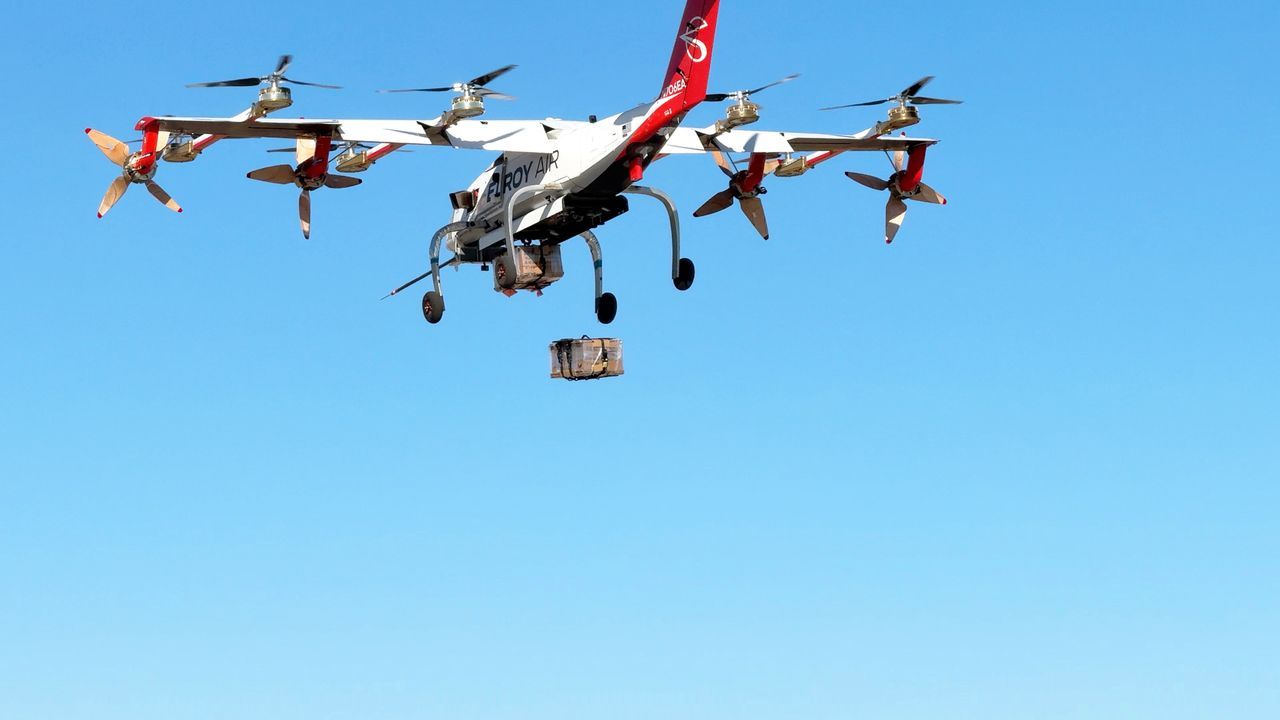
Elroy Air's Chaparral cargo aircraft completed the first fully autonomous, uncrewed flights authorized under the FAA's eVTOL Integration Pilot Program (eIPP), flying with no pilot onboard over Houma-Terrebonne Airport in Louisiana in late August 2026. The company announced the milestone on September 2, 2026. It is the first time the eIPP has cleared a heavy-lift cargo drone to fly completely on its own, under air traffic control oversight rather than a remote operator's stick inputs.
During the week-long test campaign, the hybrid-electric VTOL aircraft carried a mix of real-world cargo — packages, medical supplies, spare parts in toolboxes, food, and jerry cans of water — to demonstrate the kind of deliveries it is designed for. Chaparral carries payloads over 500 pounds up to 450 miles without needing a runway or dedicated charging infrastructure, positioning it as the only purpose-built, heavy-payload cargo aircraft currently inside the FAA program.
Background
The eVTOL Integration Pilot Program (eIPP) is a US Department of Transportation and FAA initiative created under the "Unleashing American Drone Dominance" executive order to fold electric vertical-takeoff-and-landing aircraft into everyday national airspace operations. Rather than testing eVTOLs in isolated corridors, the program pairs manufacturers with state and local partners — in this case, the Louisiana Department of Transportation and Development — to fly real routes under FAA supervision and build the operational data the agency needs before writing permanent rules.
Elroy Air joined the eIPP in March 2026. Just days before these flights, on August 31, the FAA had already logged a separate milestone with Chaparral: its first remotely piloted hybrid-electric cargo flight under the same program, with a human operator issuing commands from the ground. The September flights went a step further, removing the human from the control loop entirely.
The Houma tests land less than two weeks after Elroy Air signed a $46 million US Army contract to fund unattended delivery modes, GPS-denied navigation, and greater onboard autonomy for the same Chaparral airframe — a defense deal aimed squarely at "contested logistics" resupply. The civilian eIPP flights and the military contract are pulling on the same engineering roadmap: an aircraft that needs less human intervention with every flight.
The Flights: What Happened at Houma-Terrebonne Airport
Over the course of the week in Houma, Louisiana, Chaparral flew its assigned routes with no operator commanding individual maneuvers, relying instead on its onboard autonomy stack while FAA and air traffic control monitored the flights. Elroy Air says every flight completed its mission profile — takeoff, cruise, cargo-pod delivery, and landing — without manual intervention.
"These flights bring Chaparral closer to fulfilling our mission: moving heavy cargo autonomously, safely, and at scale," Elroy Air CEO Dr. Andrew Clare said in the company's announcement. FAA Administrator Bryan Bedford framed the result in regulatory terms: "Test flights demonstrate how these new aircraft can expand cargo delivery options nationwide."
Elroy Air's commercial roadmap now points to production. The company says its first production Chaparral aircraft is planned for late 2026, built through a manufacturing partnership with Kratos Defense & Security Solutions in Sacramento, California. Elroy Air reports a commercial demand pipeline exceeding 1,400 aircraft, representing more than $5 billion in potential revenue from logistics and aviation customers.
Remotely Piloted vs. Fully Autonomous: Why the Distinction Matters
A remotely piloted drone still has a human making real-time flight decisions from a ground station — the aircraft has no pilot seat, but it does have a pilot. A fully autonomous flight, like Chaparral's Houma runs, hands takeoff, navigation, cargo handling, and landing to onboard software, with humans limited to monitoring and emergency override. This is conceptually adjacent to BVLOS (Beyond Visual Line of Sight) operations, where the FAA is separately finalizing its proposed Part 108 rule — the two efforts share the same underlying question: how much autonomous behavior can the national airspace system safely absorb before permanent rules, not just pilot-program waivers, govern it.
For an industry still waiting on Part 108 to finalize BVLOS at scale, a real-world autonomous heavy-cargo flight cleared by the FAA is a meaningful data point. It gives regulators an operational track record for AI-driven autonomy in a high-payload, safety-critical use case, rather than a lab demonstration — the kind of evidence that tends to shape how quickly a comparable rule moves from proposal to final text.
What This Means for Drone Pilots
This program is specific to Louisiana and to Elroy Air's aircraft today, but the precedent travels. Every eIPP flight the FAA approves — remotely piloted or fully autonomous — adds to the operational safety case that agencies cite when writing broader autonomy and BVLOS rules affecting Part 107 operators, public-safety drone programs, and commercial cargo pilots alike. Operators building toward autonomous or reduced-crew missions should expect the FAA to keep leaning on pilot-program data like this rather than moving straight to blanket approvals.
The story also matters beyond the US. Regulators in Europe and elsewhere are watching American eVTOL cargo trials closely as they shape their own eVTOL and urban air mobility frameworks, and a successful uncrewed demonstration gives them a real precedent to reference rather than a hypothetical one. Expect Elroy Air's progress toward late-2026 production, and any further eIPP autonomy milestones, to keep drawing scrutiny from both regulators and competing cargo-drone manufacturers.
FAQ
Sources: DroneDJ | UAS Vision | FAA Newsroom
More like this
Related Articles
Zipline Asks FAA for 220,000 Texas Deliveries a Day
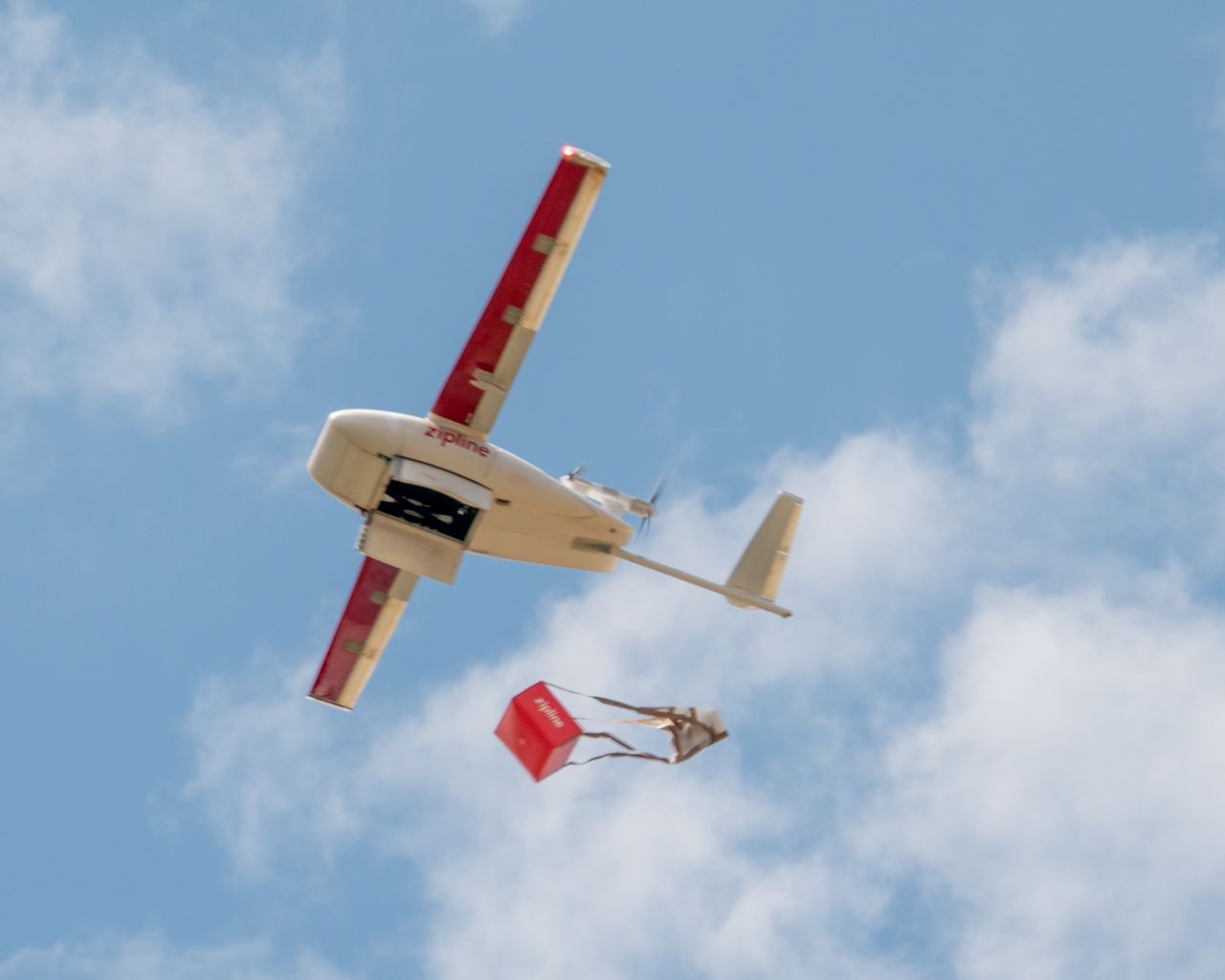
Zipline has filed a draft FAA environmental review seeking approval for 220,000 drone deliveries a day across five Texas metros —…
Amazon Seeks CAA Approval for Town-Wide UK Drone Delivery
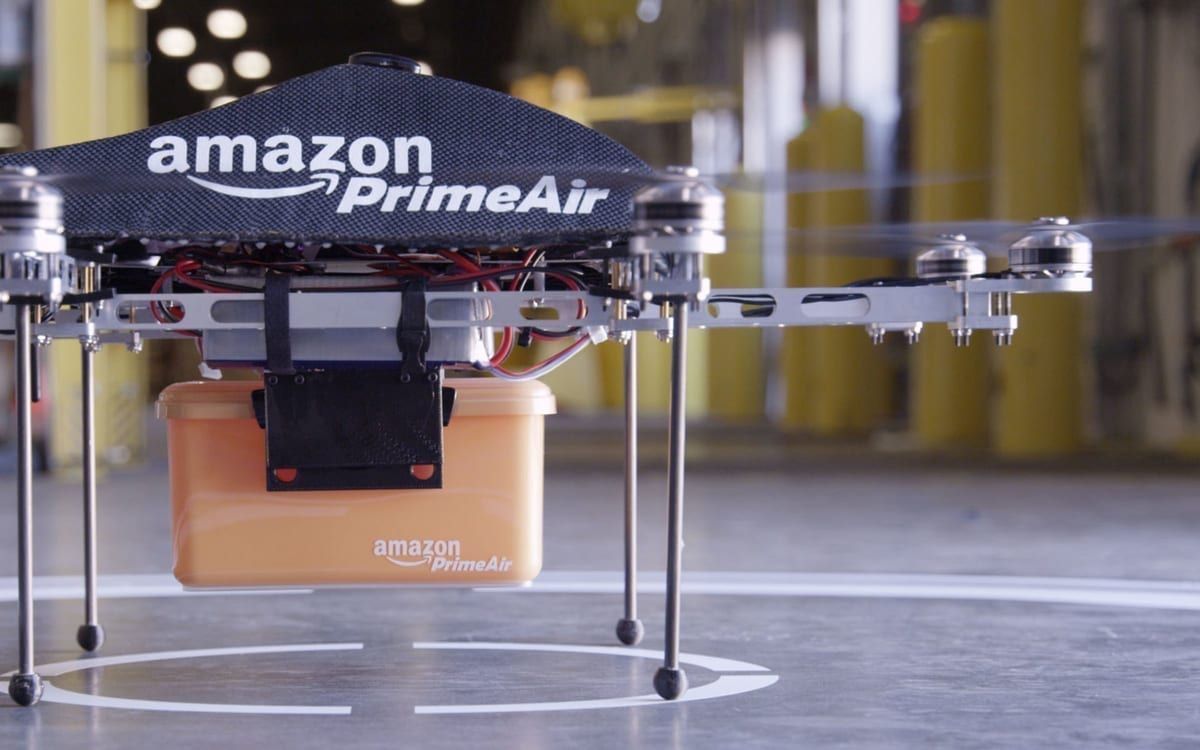
Amazon has flown 500+ Prime Air deliveries in Darlington and wants CAA approval to cover the whole UK town — a key test case for w…
Wingcopter 262: 6-Hour Tactical eVTOL Debuts for Defense
Wingcopter unveiled the 262, an all-electric eVTOL with 150 km range and 6-hour endurance, built with Ukraine's TAF Industries for…