DARPA Lift Challenge Live: $6.5M for Heavy-Lift Drones
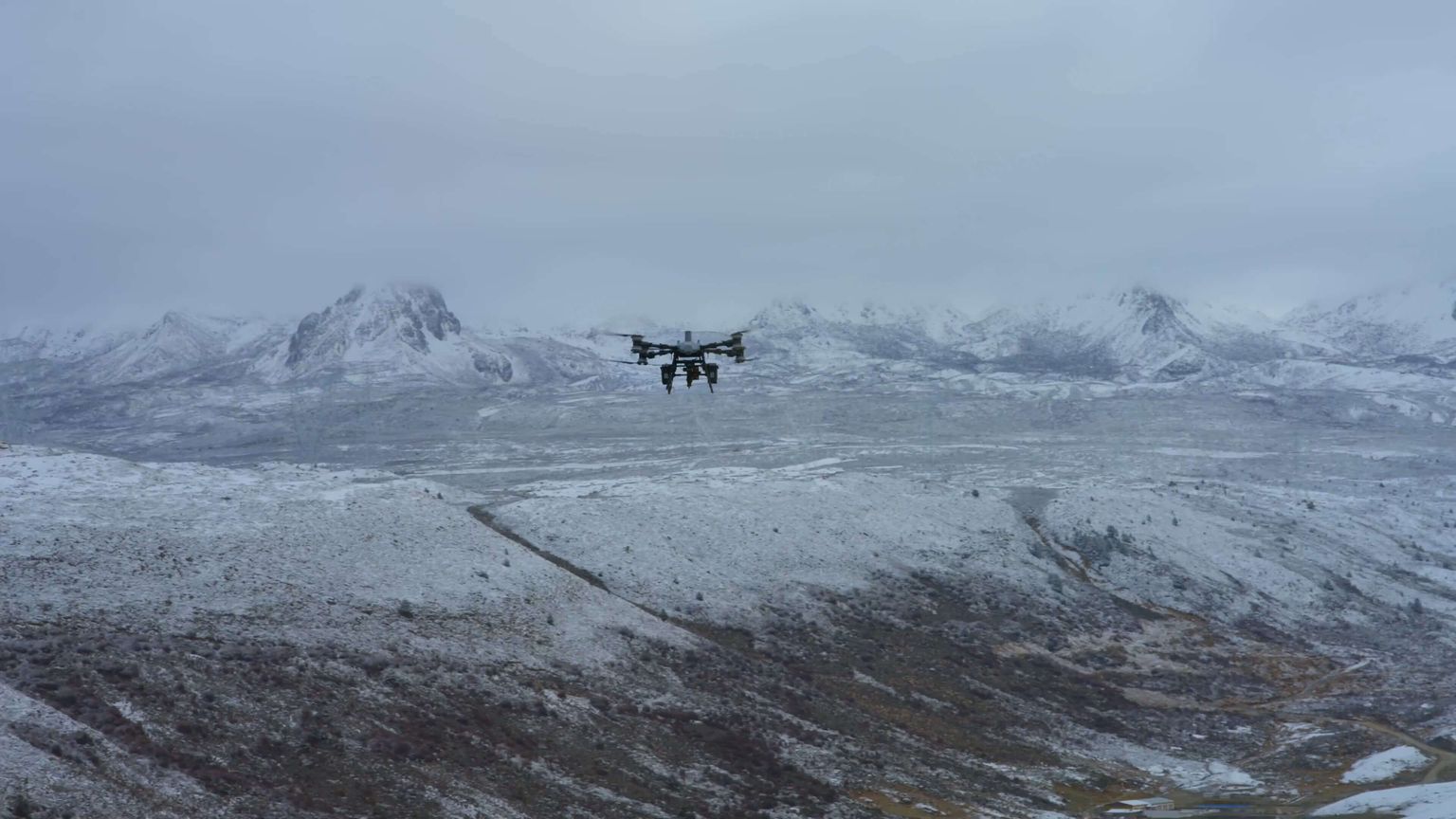
More than 100 teams are flying custom-built drones at the National Museum of the U.S. Air Force in Dayton, Ohio, this week, competing for a share of $6.5 million in DARPA's Lift Challenge — a contest to build small drones that can carry roughly four times their own weight. The event runs August 2–9, 2026, with public viewing days from August 6–9.
What is the DARPA Lift Challenge?
DARPA's Lift Challenge is a national competition to push heavy-lift drone technology past its current limits, offering $6.5 million in total prizes to the teams that achieve the best payload-to-weight ratios. DARPA (the Defense Advanced Research Projects Agency) is the Pentagon's research arm responsible for funding breakthrough technologies, from GPS to the early internet.
More than 100 teams — ranging from established drone manufacturers to university engineering programs and individual hobbyists — were invited after submitting designs earlier in 2026. The event is co-located with the Flite Fest airshow at the National Museum of the U.S. Air Force, part of Wright-Patterson Air Force Base, and both are free and open to the public on the final four days.
The Rules: 55 Pounds In, 220 Pounds Out
Every aircraft must weigh 55 pounds or less and complete an unassisted vertical takeoff before flying a demanding course. According to DARPA, the flight corridor is 60 feet wide and 1,060 feet long, flown at 150 feet (±50 feet) of altitude, inside a larger 100-by-1,100-foot lane.
Teams fly 12 laps carrying payload, then 3 empty laps back, for a total of 5 nautical miles, and must finish within a 30-minute window. Each team gets two attempts to post its best score.
| Requirement | Detail |
|---|---|
| Max aircraft weight | 55 lbs |
| Minimum payload to qualify | 110 lbs (2x aircraft weight) |
| Target payload for full prize | 220 lbs (4x aircraft weight) |
| Course length | 5 nautical miles (12 loaded laps + 3 empty) |
| Time limit | 30 minutes per attempt |
| Takeoff | Unassisted, vertical |
Teams that reach the 4-to-1 ratio compete for the full objective prize; those that qualify but fall short of 4-to-1 are eligible for only half the posted prize money, according to DARPA's official rules.
Where the $6.5 Million Goes
The prize pool splits into two tracks. The objective category rewards the highest payload-to-weight ratios outright: $2.5 million for first place, $1.5 million for second, and $1 million for third. A further $1.5 million is split across three $500,000 subjective awards — Most Revolutionary Aerodynamic Design, Most Revolutionary Powertrain Design, and Most Promising Design — judged independently of raw lift numbers.
Program manager Phillip "Donna" Smith, a Lieutenant Colonel in the Marine Corps Reserve, said the goal is to "dramatically increase the useful load, which will then drive down the cost per pound of transported cargo," according to Military Times. Better lift-to-weight ratios translate directly into cheaper cargo runs, whether the payload is a battlefield resupply crate or a retail delivery box.
The field reflects that range: entrants include Colorado-based Alpine Combat Systems, showing a design called the Samson drone; a five-student team from the University of Nevada, Reno led by associate professor Hao Xu; and independent builders and YouTube creators alongside traditional aerospace contractors.
What This Means for Drone Pilots
The Lift Challenge is a DARPA-funded prize competition, not a rulemaking or certification program, so it does not change anything for Part 107 pilots or hobbyists today. Its practical relevance is downstream: the same payload-efficiency gains DARPA is chasing feed directly into the design choices manufacturers make for heavy-lift agricultural sprayers, cargo platforms, and logistics drones used in defense and disaster response.
Pilots who fly agricultural, mapping, or cargo platforms should watch which powertrain and airframe approaches place highly — DARPA typically publishes technical results and, in past challenges, has funded further development of top designs. For a primer on how these different aircraft categories compare, see our guide to the types of drones in commercial and military use, and our explainer on how a drone works for the motor and powertrain fundamentals behind the payload math above.
FAQ
Sources: DARPA — About the Lift Challenge | Military Times
More like this
Related Articles
Drone Halts Flights at Reagan National for 20 Minutes
An unauthorized drone forced a 20-minute halt of all Reagan National Airport flights on Sept. 16, 2026 — here's what happened and…
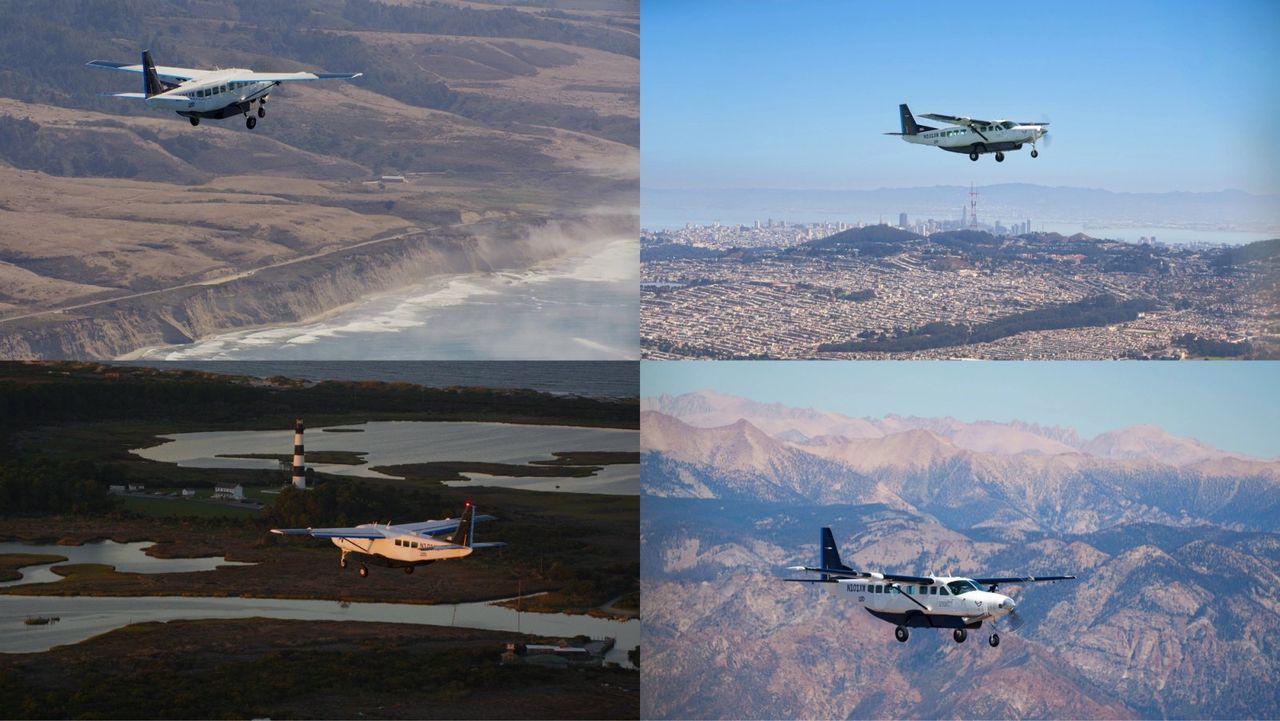
Joby Completes First 3,199-Mile Autonomous US Flight
Joby's J208 flew 3,199 miles across the US with zero pilot input on September 18, 2026 — the first fully autonomous coast-to-coast…
Zipline Nears $20B Valuation in New $1B Funding Round
Zipline is in talks to raise about $1 billion at a $20 billion valuation, nearly tripling its worth as US drone delivery scales pa…