US Air Force Buys DJI Drones to Train Nuclear Guards
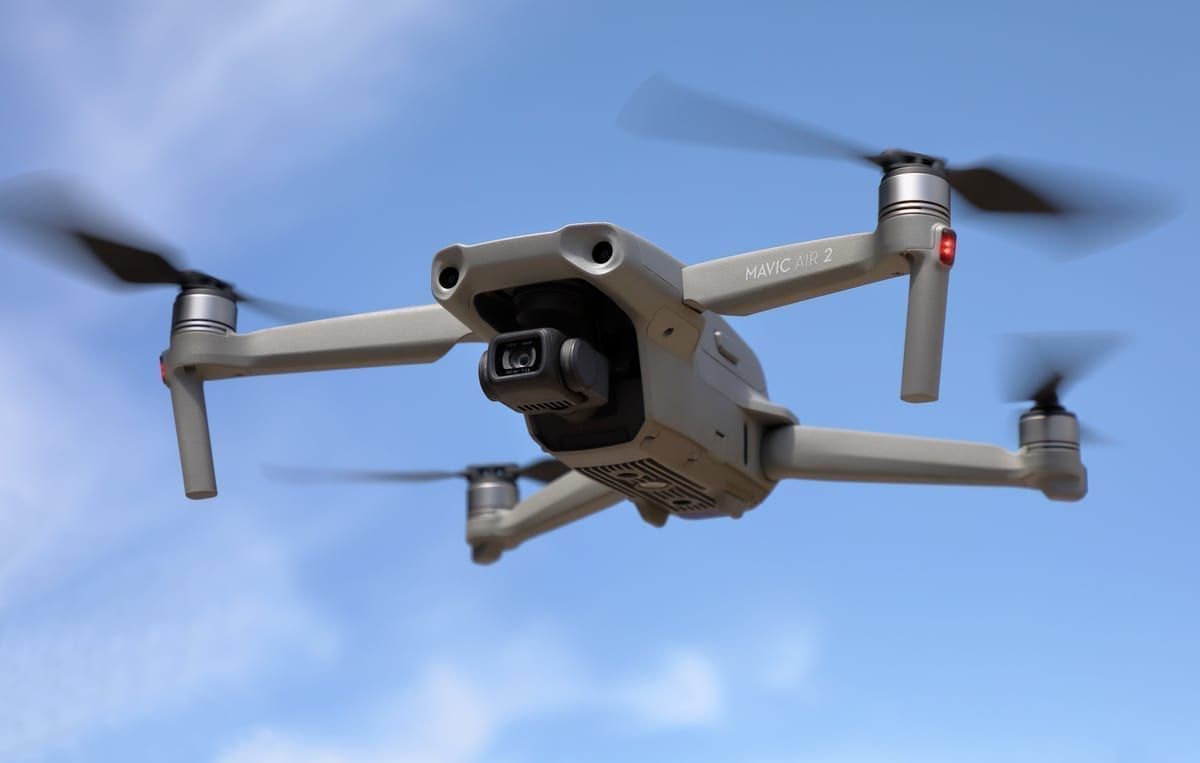
The U.S. Air Force is buying six Chinese-made DJI drones — two Mavic 2 Pro, two Mini 3 Pro, and two Avata 2 units, plus six payload-release devices — to train security forces defending Minuteman III nuclear missile silos at F.E. Warren Air Force Base, Wyoming. Federal contracting documents call the purchase an "absolute operational necessity," even though DJI remains on the Pentagon's list of companies linked to China's military.
Background: Why the Air Force Needs Real DJI Drones
The buyer is the 90th Missile Security Operations Squadron, part of the 90th Missile Wing, which guards the Minuteman III intercontinental ballistic missiles (ICBMs) housed in underground silos across Wyoming, Colorado, and Nebraska. The Pentagon logged 350 drone incursions at U.S. military installations in 2024, and unauthorized drones have repeatedly been spotted near ICBM fields and other sensitive sites in recent years.
The Department of Defense keeps an approved "Blue" list of American-made drones for official use, created specifically to reduce reliance on DJI and other Chinese manufacturers over data-security concerns. But the contracting justification obtained by DroneDJ argues that Blue drones can't substitute for realistic threat training: security teams need to recognize and counter the exact aircraft — and radio and video signatures — that a real intruder would actually fly, not a domestic simulation of one.
The purchase is authorized under a July 2025 memorandum from Defense Secretary Pete Hegseth that permits services to buy "absolute minimum quantities" of otherwise-restricted foreign drones strictly for testing, evaluation, and training. Stars and Stripes reports that Malmstrom Air Force Base, another Minuteman III site, is pursuing a similar counter-drone training buy.
Why DJI, Specifically
The justification document is blunt about the reasoning: DJI controls an estimated 80% to 85% of the global commercial drone market, according to the Air Force's own filing, making it by far the most likely aircraft type a real adversary — from a foreign intelligence service to a curious trespasser — would fly near a missile field. "Buying DJI brand drones is an absolute operational necessity," the document states, warning that American-made alternatives and computer simulations cannot accurately replicate DJI's proprietary flight-control and video signatures.
That's the same market dominance covered in our complete guide to DJI's drone lineup — the company's scale is precisely why counter-drone teams worldwide, not just in Wyoming, train against its aircraft even where DJI hardware is otherwise discouraged or restricted.
Security Safeguards: RIZER and Air-Gapping
To address the obvious irony of a nuclear missile base operating Chinese-made hardware, the Air Force is pairing every training drone with U.S.-made RIZER software before first flight. RIZER strips and replaces the drone's onboard firmware and flight-control stack, creating what the Air Force describes as an air-gapped system that cannot transmit telemetry, imagery, or any other data back to DJI servers or external networks. The drones will never connect to Defense Department networks, and operators fly them exclusively within isolated training ranges at F.E. Warren.
This mirrors how several U.S. federal agencies have handled DJI hardware since it was added to the FCC's Covered List: keep the airframe, since no domestic alternative matches its flight performance and price, but strip out the software layer that raised security concerns in the first place.
What This Means for Drone Pilots
This purchase doesn't change any rule for civilian or commercial DJI operators — it's a narrow, training-only exception carved out for one Air Force unit. But it's a telling data point in the broader DJI policy fight: the same government agencies restricting DJI sales and imports over national-security concerns are, in specific tactical contexts, concluding that no substitute performs like the real thing. For pilots tracking whether DJI hardware will remain legal to fly in the U.S. — a live question given the FCC's pending proposal to expand restrictions to more DJI models — this case shows the debate is more about where and how DJI drones fly than a simple in-or-out ban. Security teams and counter-drone units elsewhere, including police and airport authorities, face the identical problem: understanding the types of drones most likely to appear as a real threat means training against market-leading hardware, whatever its country of origin.
FAQ
Sources: DroneDJ | Stars and Stripes
More like this
Related Articles
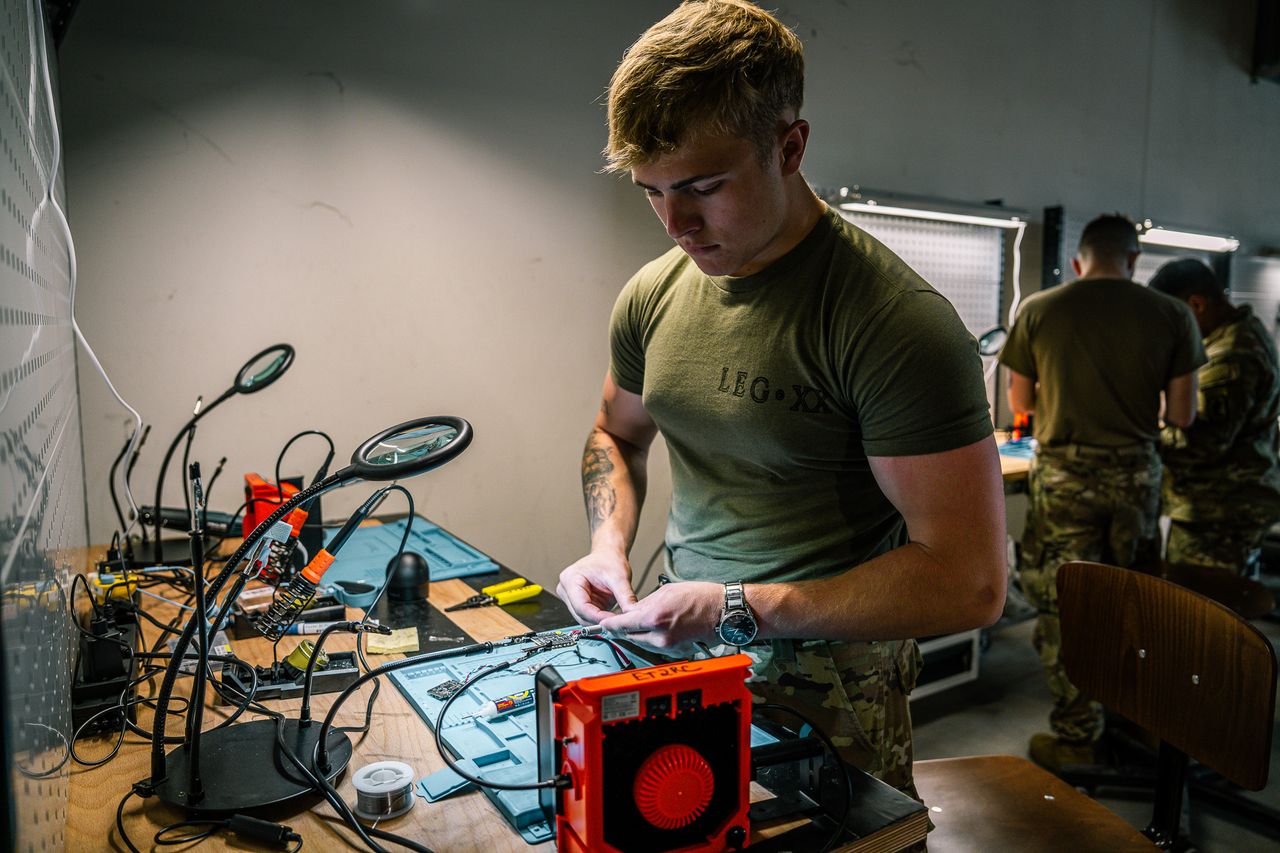
Germany's Army Drone Regiment: 600 Soldiers, 500 km Reach
Germany will build its first Army drone regiment in 2027, with up to 600 soldiers and 500 km reach, as the US Army ends its drone…
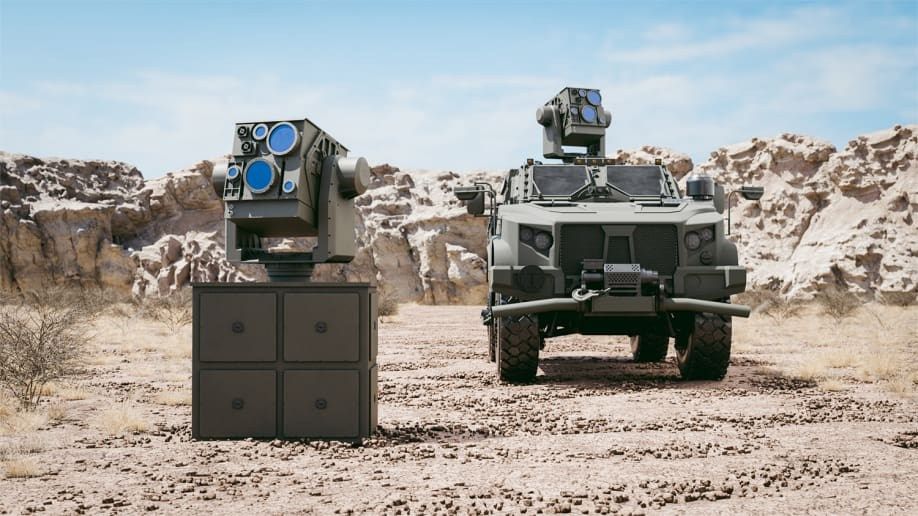
Counter-Drone Lasers: Pentagon Picks 5 US Bases (2026)
The Pentagon chose AeroVironment, Epirus, Kord, and Boeing lasers for a yearlong counter-drone pilot at 5 US bases, starting fall…
Auterion's Nemyx VLS Packs 30% More Drones, Any Brand
Auterion's Nemyx vertical launcher fires drones from any manufacturer, packing 30% more aircraft per tube for military customers i…