World Cup Drone Crackdown: FAA Seizes 500+ in 2026
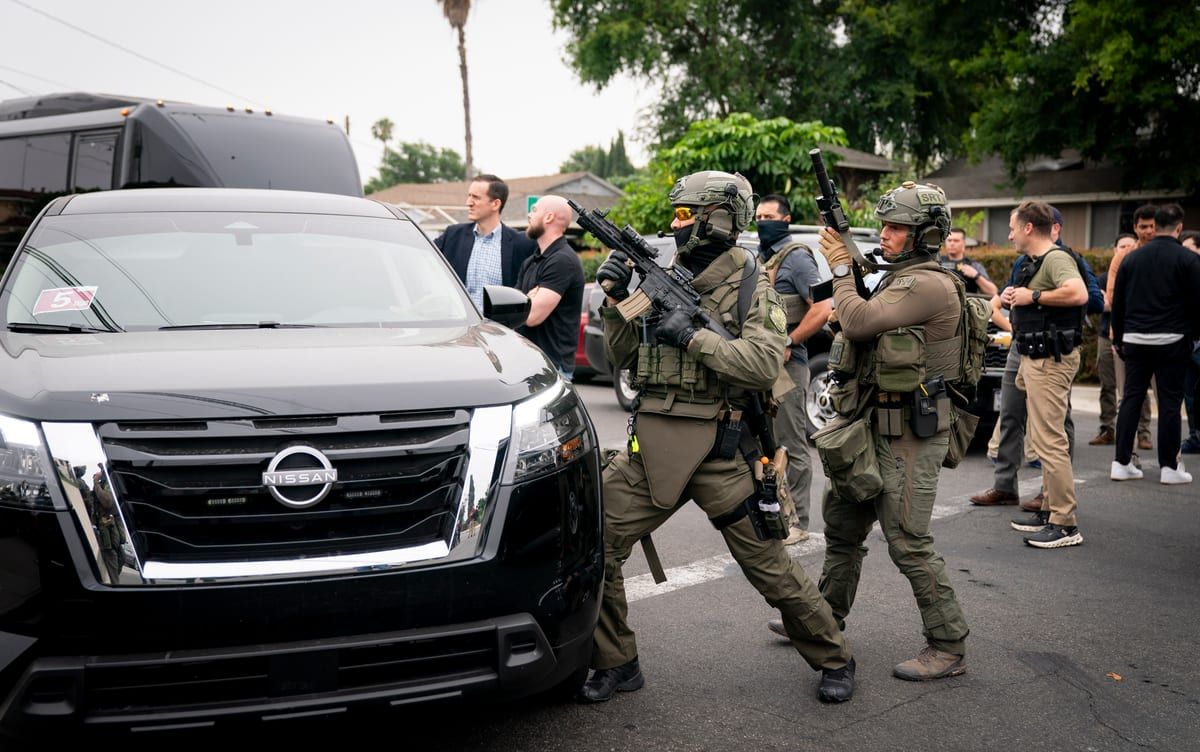
The FAA and FBI have seized more than 500 drones from unauthorized operators flying near FIFA World Cup 2026 stadiums and fan events since matches began on June 11, 2026. Violators face civil fines up to $75,000, criminal fines up to $100,000, drone confiscation, and federal arrest for entering the temporary flight restrictions covering all 11 host stadiums.
The enforcement numbers, reported by CNN on July 1, 2026, mark the largest coordinated drone crackdown ever run around a single sporting event in the US. A Houston case already shows how far the FAA and Department of Justice are willing to go: a 26-year-old man remains in custody after flying an unregistered DJI Mavic 3 near a World Cup event on opening day.
Background
FIFA World Cup 2026 spans 11 stadiums across the US, from SoFi Stadium in Los Angeles to MetLife Stadium in New Jersey, running through July 2026. On May 28, 2026, the FAA formally established "No Drone Zones" around every venue, fan festival, and team base camp for the tournament's duration.
A temporary flight restriction (TFR) is airspace the FAA closes off for a limited time, typically for security, safety, or VIP travel reasons — the same mechanism used for presidential visits and major wildfires. What sets the World Cup TFRs apart is scale: 11 stadiums, dozens of fan events, and team hotels are covered simultaneously, for weeks at a time, backed by an enforcement initiative the FAA calls DETER (Drone Expedited and Targeted Enforcement Response). DETER coordinates FAA airspace authority with the Department of Homeland Security and Department of Justice, giving agents on the ground legal cover to seize drones and refer pilots for federal prosecution immediately, rather than issuing a warning first.
"Drone operators should expect swift action if they violate restricted airspace," FAA Administrator Bryan Bedford said when the zones were announced.
The No-Fly Zones by the Numbers
The restrictions differ depending on whether a drone is near a stadium on match day or near a fan event running for weeks.
| Zone type | Radius | Altitude ceiling | Duration |
|---|---|---|---|
| Stadium (match day) | 3 nautical miles | 3,000 ft AGL | Match days only |
| Fan event / festival | 1 nautical mile | 1,000 ft AGL | 5 to 40+ days, varies by city |
| Team hotels, base camps | Site-specific | Site-specific | Length of team's stay |
The 11 host stadiums are SoFi Stadium (Los Angeles), Levi's Stadium (Bay Area), Lumen Field (Seattle), AT&T Stadium (Dallas), NRG Stadium (Houston), Mercedes-Benz Stadium (Atlanta), Gillette Stadium (Boston), Hard Rock Stadium (Miami), Arrowhead Stadium (Kansas City), MetLife Stadium (New Jersey), and Lincoln Financial Field (Philadelphia).
Since the tournament opened, the FBI's seizure count by city has run heavily in favor of the coastal and southern host markets, according to CNN's July 1 report:
| City | Drones seized |
|---|---|
| Miami | 98 |
| Atlanta | 77 |
| Dallas | 63 |
| Los Angeles | 48 |
| New York | 40 |
| Houston | 33 |
| Seattle | 29 |
| Newark | 9 |
Kansas City shows how fast a single event can generate enforcement action: during World Cup activity on June 16, 2026 alone, a joint operation by the Federal Air Marshal Service, the FBI's Kansas City field office, and local police seized 8 drones and issued 2 violation notices around Arrowhead Stadium and the FIFA Fan Festival.
What Happens If You're Caught
The Houston case, detailed in a criminal complaint filed with the US District Court for the Southern District of Texas, illustrates how the penalties apply in practice. John Alexander Meza, 26, of La Porte, Texas, flew a DJI Mavic 3 near a church in restricted airspace on June 11, 2026 — the tournament's opening day. His flight lasted two minutes and reached just over 200 feet. He held no remote pilot certificate, had not checked for active flight restrictions, and his drone was not registered with the FAA. He was arrested and, as of early July, remains in ICE custody.
Meza's case is one of hundreds nationwide. Under the World Cup TFRs, a violation can carry civil penalties up to $75,000 per infraction, criminal fines up to $100,000, up to three years in federal prison, immediate drone confiscation, and revocation of a remote pilot certificate. FBI teams on site use counter-UAS (C-UAS) equipment to detect and, where authorized, physically intercept unauthorized aircraft before they reach restricted airspace.
What This Means for Drone Pilots
If you're flying anywhere in the US through the rest of the World Cup, check NOTAMs and the FAA's B4UFLY app before every flight, not just near a host city — fan events and team base camps move week to week and are not always obvious from the ground. Our US drone laws guide covers how TFRs interact with your everyday Part 107 or recreational obligations, including registration and Remote ID, both of which are non-negotiable the moment you're anywhere near a restricted zone.
The Houston arrest is also a reminder that enforcement doesn't require intent to violate airspace deliberately — Meza's stated goal was filming a church, not the tournament. Pilots flying consumer models like the DJI Mavic 3 near any city hosting World Cup matches or fan festivals should treat every flight as if a TFR might already be active, since the FAA's DETER enforcement is designed to act before a pilot has a chance to explain.
This crackdown is US-specific, but it sets a precedent other regulators are watching. Large-scale international events — the Olympics, major EU summits, FIFA's own future tournaments — increasingly pair temporary no-fly zones with fast, criminal-first enforcement rather than warnings, and pilots outside the US should expect similar postures around their own next major event.
FAQ
Sources: CNN via KRDO | FAA Newsroom | TSA
More like this
Related Articles
FAA Awards $12M for BVLOS Drone Test Research (2026)
The FAA gave $12 million to 19 BVLOS drone research projects on October 5, 2026, as its Part 108 rule sits stalled in White House…
Germany Backs Ukraine With $9.6B Drone Interceptor Deal
Germany and Ukraine signed 15 defense deals worth over $9.6B on Oct. 4, funding mass production of jet-powered interceptor drones…

Wing, Walmart Drone Delivery Hits Denver, Seattle in 2027
Wing and Walmart will launch drone delivery in Denver and Seattle in 2027, expanding toward 270 Walmart stores and 40 million US c…