Drone Shot Down Over Romania by NATO F-18 (4th in 2026)
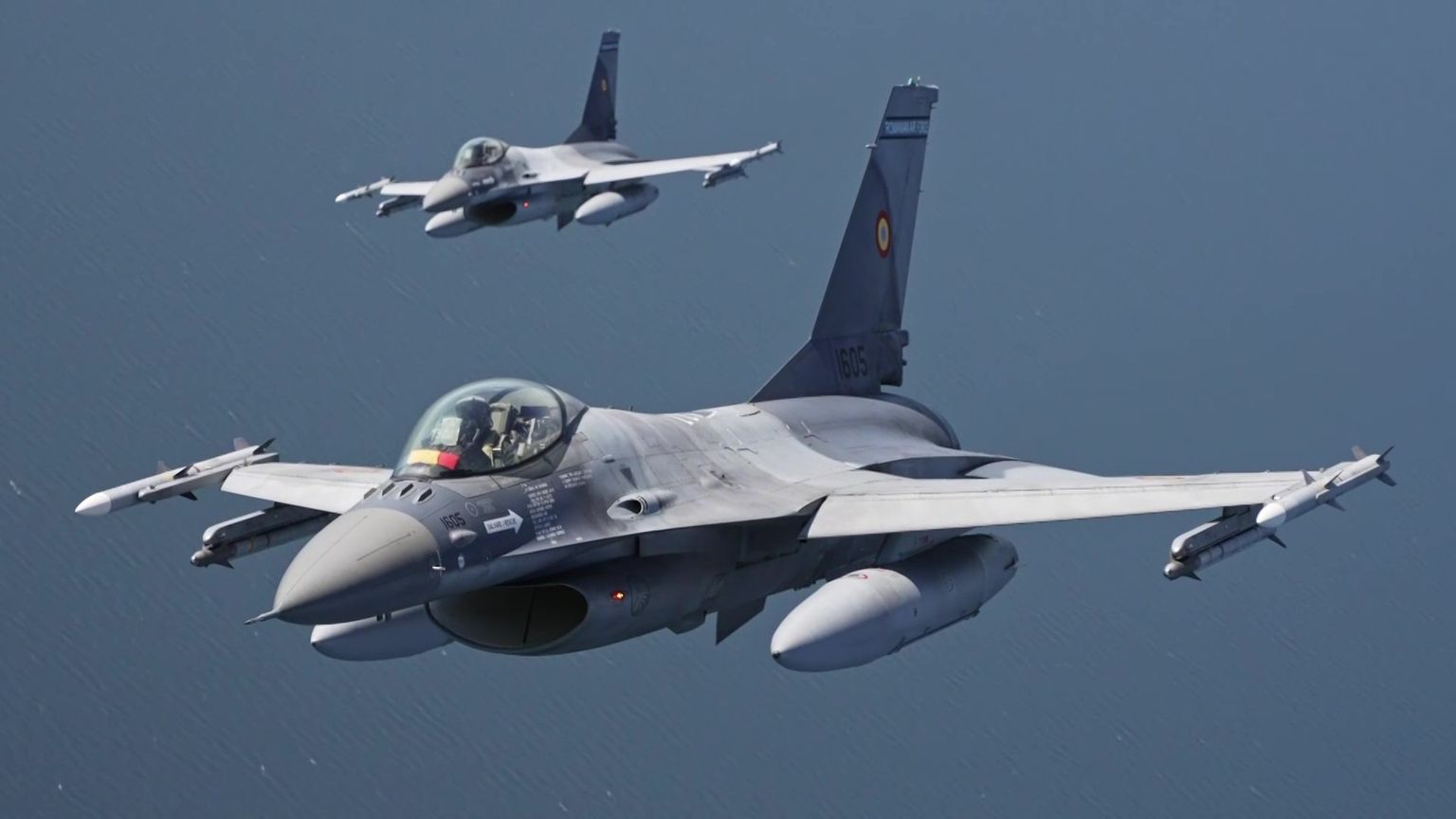
A Spanish F/A-18 flying a NATO air-policing mission shot down an unidentified drone that crossed into Romanian airspace from Moldova early on August 16, 2026, Romania's Ministry of National Defence said. Radar detected the aircraft at 4:44 a.m. local time near Galați, and the drone was destroyed at 5:01 a.m. — the fourth unmanned aircraft Romania has downed so far in 2026.
Background: NATO's Eastern Flank on Edge
Romania shares roughly 614 kilometers (382 miles) of border with Ukraine and has recorded dozens of suspected drone incursions since Russia's full-scale invasion began in 2022. Until this year, Romanian and allied jets tracked and escorted intruding drones but rarely fired on them. That changed on July 24–26, 2026, when Romanian F-16 pilots, backed by Italian Eurofighter Typhoons on NATO air-policing duty, shot down three suspected Russian drones in less than 48 hours — the first time a NATO member state destroyed an intruding aircraft since the war began.
NATO air policing is the alliance's standing peacetime mission of scrambling fighter jets to identify and, if authorized, intercept aircraft that violate a member state's airspace without permission. Spain has rotated air-policing detachments through Romania's 57th Air Base "Mihail Kogălniceanu" since 2021; its current contingent deployed on July 31, 2026, for its fourth rotation.
How the August 16 Interception Unfolded
Romanian surveillance systems detected an aerial target entering national airspace at 4:44 a.m. local time from the direction of the Republic of Moldova, roughly 24 kilometers (15 miles) north of the southeastern city of Galați, according to the defense ministry. Two Spanish F/A-18 Hornets already on alert scrambled from Kogălniceanu, made radar contact, and received approval to engage. The drone was destroyed at 5:01 a.m., with debris falling in an unpopulated area between the villages of Băleni and Cudalbi.
Romania's Defence Minister Radu Miruta confirmed the interception and said the country "is defending its airspace," calling NATO membership "a tangible security guarantee." The ministry has not officially confirmed the drone's origin or type, though NATO said the aircraft "appears to be Russian" and the incident coincided with a night of intensive drone and missile exchanges between Russia and Ukraine. Investigators are still examining the wreckage.
Part of a Widening Pattern Across Europe
The Galați intercept is the latest in a string of airspace incidents across NATO's eastern and southeastern flank in August 2026 alone. A drone crossed briefly into Romania from Ukraine on August 14 before exiting the same way. An unexplained device detonated in Bulgarian airspace near the Trans-Balkan gas pipeline on August 8. And on August 4, a drone carrying plastic explosives crossed undetected into Germany's Leipzig/Halle Airport and struck a cargo aircraft without fully detonating.
Together with Romania's four shootdowns this year, the pattern has pushed several NATO governments to accelerate counter-drone spending and to loosen the rules of engagement for intercepting unidentified aircraft near their borders — a shift from the alliance's earlier posture of tracking intrusions without firing.
What This Means for Drone Pilots
This incident involves a suspected hostile military aircraft, not a civilian UAV (Unmanned Aerial Vehicle), and it does not change licensing or certification rules for recreational or commercial drone pilots. But it has two practical effects worth tracking if you fly in or near Eastern Europe. First, expect more and larger temporary restricted zones near Romania's border with Ukraine and Moldova, plus increased military air traffic that can affect NOTAMs in the region — always check current airspace restrictions before flying, as covered in our drone no-fly zones guide. Second, the episode adds to a broader European build-out of counter-drone detection systems at airports, borders, and public events, technology that increasingly also flags legitimate hobbyist and commercial drones flying nearby, so pilots anywhere on the continent should expect more scrutiny even during ordinary flights.
The incident also underscores how differently military and consumer drones are built, operated, and regulated — a distinction explained in our guide to the different types of drones in use today, from hobbyist quadcopters to fixed-wing military platforms.
FAQ
Sources: CNBC/Reuters | Euronews | Aerotime
More like this
Related Articles
FAA Awards $12M for BVLOS Drone Test Research (2026)
The FAA gave $12 million to 19 BVLOS drone research projects on October 5, 2026, as its Part 108 rule sits stalled in White House…
Germany Backs Ukraine With $9.6B Drone Interceptor Deal
Germany and Ukraine signed 15 defense deals worth over $9.6B on Oct. 4, funding mass production of jet-powered interceptor drones…

Wing, Walmart Drone Delivery Hits Denver, Seattle in 2027
Wing and Walmart will launch drone delivery in Denver and Seattle in 2027, expanding toward 270 Walmart stores and 40 million US c…