Volatus Wins Canada Contract for Up to 5,000 ISR Drones
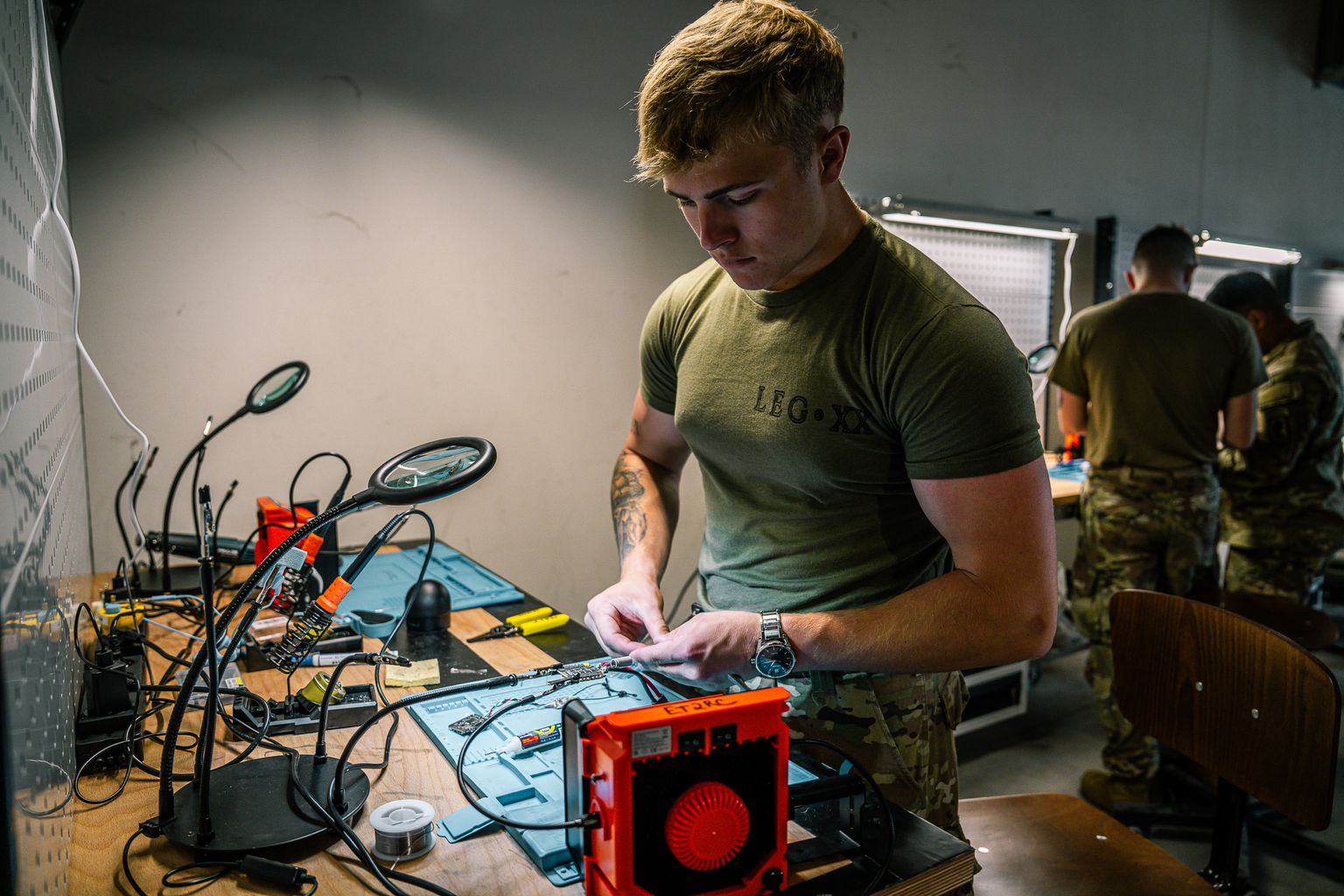
The Government of Canada awarded Volatus Aerospace a five-year contract on September 10, 2026, to supply low-cost tactical Intelligence, Surveillance and Reconnaissance (ISR) uncrewed aircraft systems to the Canadian Armed Forces. The initial order covers 100 systems, with options for up to 4,900 more, creating a path to 5,000 total drones.
The deal is the first contract issued under Stream 1 of Canada's Defence Drone Initiative (DDI) Marketplace, a new procurement platform built to get vetted drone technology into military hands faster than traditional defense buying allows. Volatus, a Mirabel, Québec-based aerial intelligence and cargo company, says the initial systems begin delivery in the fourth quarter of 2026.
Background
Canada launched the Defence Drone Initiative in 2026 to modernize how the Canadian Armed Forces (CAF) buys small and medium uncrewed aircraft, replacing slow, case-by-case procurement with a standing marketplace of pre-qualified suppliers across five streams: uncrewed and autonomous systems (including counter-UxS), communications, engineering and integration, testing and training, and innovation.
Volatus qualified as a supplier on September 3, 2026, then cleared all five DDI streams on September 8 — a rare distinction the company says positions it as a full-spectrum defense and aerospace platform rather than a single-product vendor. The September 10 award, won through the first Request for Proposal issued under Stream 1, is the initiative's first concrete contract, making it a bellwether for how Canada intends to arm its forces with cheap, attritable drones going forward.
The push mirrors a shift already underway among NATO allies. Watching Russia and Ukraine burn through thousands of small ISR and strike drones a month has convinced Western defense planners that quantity and replaceability now matter as much as individual aircraft performance — a lesson reflected in the U.K.'s own military drone investment and the U.S. Army's parallel push to field cheaper reconnaissance drones at the unit level.
Inside the Contract: Numbers and Scope
Canada's procurement framework caps the government's spending at C$5,000 per system and C$25 million for the total procurement envelope, though Volatus has not disclosed its actual per-unit pricing, calling it commercially confidential. That ceiling underscores the "low-cost" framing: these are expendable tactical ISR platforms meant to be fielded in volume, not high-end strategic drones.
| Detail | Figure |
|---|---|
| Initial order | 100 systems |
| Maximum expansion | Up to 4,900 additional systems |
| Total potential fleet | 5,000 systems |
| Contract length | 5 years |
| Maximum price per system | C$5,000 |
| Maximum procurement envelope | C$25 million |
| First deliveries | Q4 2026 |
The contract is structured as an end-to-end package rather than a hardware-only sale. Volatus is supplying the aircraft, sensor payloads, ground control stations, data links, operator and maintainer training, spare parts, technical documentation, and ongoing software and firmware support — a model the company says reduces the CAF's burden of integrating parts from multiple vendors.
CEO Glen Lynch framed the award as proof of a broader shift in how Canada buys military hardware: "Canada is seeking sovereign, secure and supportable defence technologies that can be fielded efficiently," Lynch said, according to the company's September 10 announcement, stressing that the integrated model extends well beyond simply delivering aircraft.
What "Tactical ISR" Means and Why It's a Growth Category
ISR (Intelligence, Surveillance and Reconnaissance) refers to a drone's core mission: flying over an area to collect imagery, video, or sensor data that feeds a commander's real-time picture of the battlefield, rather than carrying weapons. Tactical ISR systems sit at the smaller, cheaper end of the military drone category — designed for a platoon or company to launch, fly, and recover on their own, without the runway, ground crew, or cost of a larger platform like the MQ-9 Reaper.
Demand for this category has surged industry-wide in 2026. Volatus's win follows a string of similar tactical-drone awards elsewhere: AeroVironment's P550 secured a $117.3 million U.S. Army production contract in July, and the Air Force has separately fast-tracked funding to replace aging Reaper fleets with cheaper alternatives after recent combat losses. Canada's DDI contract signals the same logic applied at national-procurement scale — buy many inexpensive, replaceable ISR drones instead of a handful of expensive ones.
What This Means for Drone Pilots
For commercial and enterprise drone operators, the Volatus award is a signal that government defense budgets — not just consumer and enterprise markets — are becoming a durable revenue channel for companies that already build civilian drone expertise. Volatus built its business on commercial ISR, mapping, and cargo drone services before winning defense work, a path other dual-use operators are likely to follow as programs like the DDI open up.
Pilots and small operators working toward CAF or allied-government contracts should note that Canada's framework rewards suppliers who can deliver full lifecycle support — training, spares, and software updates — not just airframes. Companies evaluating Canada's regulatory landscape for both civilian and government-facing drone work can review the country's current registration and certification requirements in our guide to Canadian drone laws. The award also reinforces that low-cost, mass-produced tactical drones are now a standing line item in Western defense budgets, a trend that will keep shaping which manufacturers get funded and which sensor and airframe designs scale.
FAQ
Sources: Volatus Aerospace via GlobeNewswire | Canadian Defence Review
More like this
Related Articles
Zipline Asks FAA for 220,000 Texas Deliveries a Day
Zipline has filed a draft FAA environmental review seeking approval for 220,000 drone deliveries a day across five Texas metros —…
Amazon Seeks CAA Approval for Town-Wide UK Drone Delivery
Amazon has flown 500+ Prime Air deliveries in Darlington and wants CAA approval to cover the whole UK town — a key test case for w…
Wingcopter 262: 6-Hour Tactical eVTOL Debuts for Defense
Wingcopter unveiled the 262, an all-electric eVTOL with 150 km range and 6-hour endurance, built with Ukraine's TAF Industries for…