USDOT Opens $9M Drone Inspection Grants Amid DJI Ban
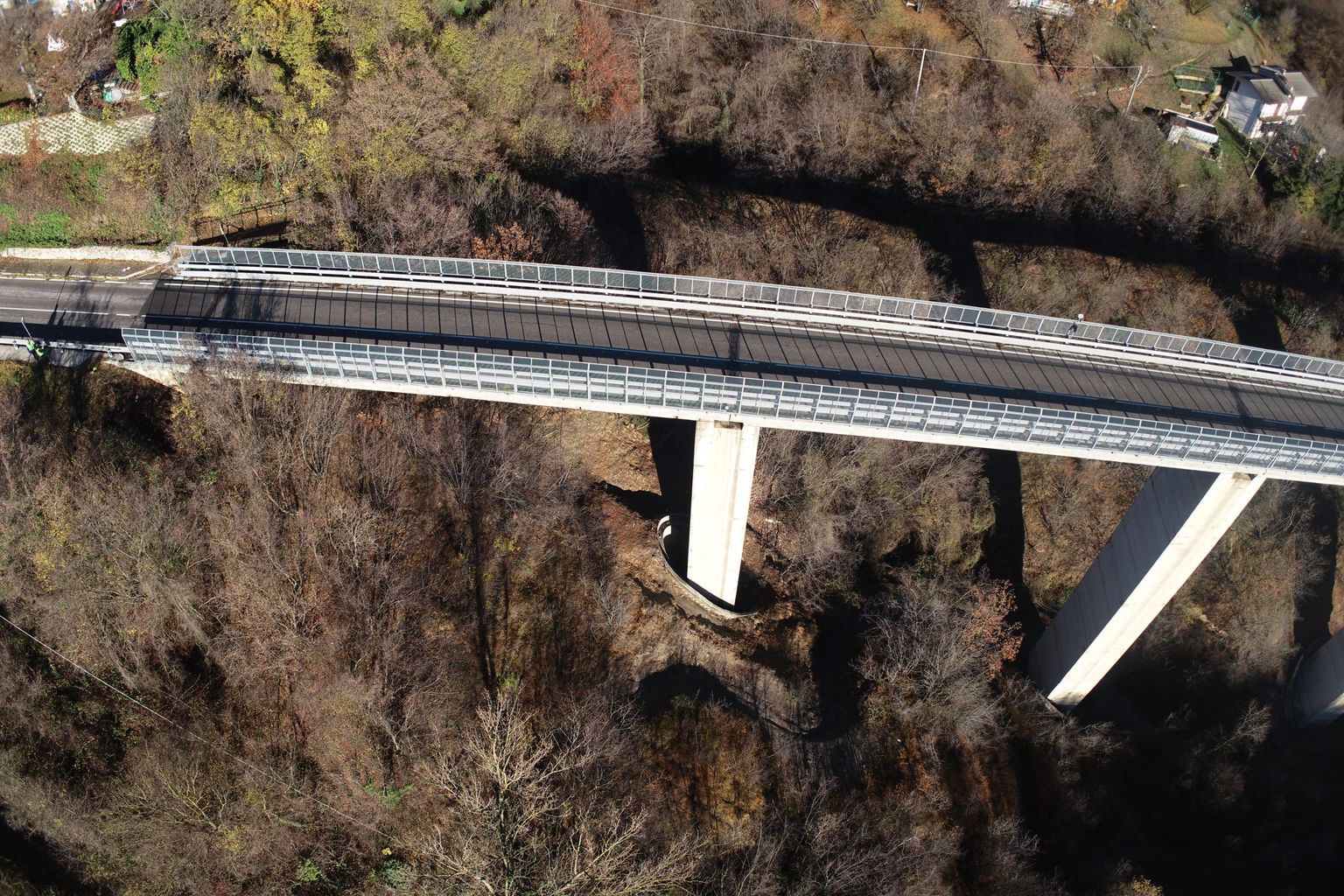
The U.S. Department of Transportation has forecast $9 million in FY2026 grants to help state and local agencies inspect bridges, dams, and roads with drones — a fraction of what state officials say it will actually cost to replace the Chinese-made drones a federal ban grounded eight months earlier. The Drone Infrastructure Inspection Grants (DIIG) program, opportunity number DOT-HASS-FY26-DIIG, is expected to post September 15, 2026, with applications closing November 15.
Background: A Grant Program Racing a Ban It Can't Outrun
Congress created the DIIG program under Section 912 of the 2024 FAA Reauthorization Act (Public Law 118-63), authorizing roughly $12 million per year for four years to help government agencies adopt drones for infrastructure inspection — checking bridges, dams, pipelines, and roads without putting workers on ropes or in bucket trucks. For FY2026, USDOT has trimmed that to $9 million, per the listing on Grants.gov, now in its third revision after a July 28 update.
The timing matters because of what happened months earlier. On December 22, 2025, the FCC added DJI and Autel Robotics to its Covered List under the 2025 NDAA, and the Federal Highway Administration simultaneously barred federal funds from buying, operating, or maintaining "covered" Chinese-made drones on federal-aid projects. State transportation departments that had spent years building drone inspection programs around DJI hardware — long the dominant choice for accuracy and price — woke up that morning with grounded fleets and no budget line to replace them.
How the $9 Million Is Structured
USDOT expects to make about five awards, ranging from $500,000 to the full $9 million, to a competitive pool of applicants. Eligible entities include state, city, county, and federally recognized tribal governments, metropolitan planning organizations, consortia of eligible entities, and agencies in the District of Columbia, Puerto Rico, and U.S. territories.
| DIIG Program (FY26) | Detail |
|---|---|
| Opportunity number | DOT-HASS-FY26-DIIG |
| Total funding | $9,000,000 |
| Expected awards | ~5 |
| Award range | $500,000 – $9,000,000 |
| Federal cost share | Up to 50% (75% with justification) |
| Est. posting date | September 15, 2026 |
| Application deadline | November 15, 2026 |
Grant funds can be used to purchase, lease, or upgrade drone systems, contract for inspection services where agencies lack in-house expertise, and cover program management. The 50% cost-share requirement — which can rise to 75% for applicants who justify the need — means the $9 million doesn't fully fund fleet replacement on its own; it's seed money agencies must match.
Why $9 Million Falls Short of What States Say They Need
A white paper compiled by the Oregon Department of Aviation through the National Association of State Aviation Officials surveyed 25 state transportation departments and counted at least 467 drone airframes grounded or restricted across 23 states, putting total national exposure at $50 million to $2 billion depending on fleet size and mission complexity.
Individual states illustrate why the range is so wide. Florida alone held roughly $200 million worth of Chinese-made drones; the Florida Department of Law Enforcement has allocated $25 million in state grant funding toward replacements, covering just 12.5% of the confiscated equipment's value. Idaho reported that a drone it originally bought for $15,000 now costs $42,000 to replace with a FAA Part 107-compliant, non-restricted alternative — before accounting for retraining, software migration, workflow redevelopment, or the operational downtime agencies absorb while they wait.
Set against that backdrop, a $9 million federal pool — split roughly five ways, and requiring a state match — reads less like a fix and more like a down payment. It's also a step down from the program's own baseline: the 2024 authorizing law set roughly $12 million per year as the target, meaning FY2026 funding arrives 25% below what Congress originally penciled in, even as the compliance deadline that created the demand has already passed.
What This Means for Drone Pilots
For public-sector drone pilots and program managers, the DIIG program is worth applying to, but it should not be the only plan for replacing restricted hardware. Agencies still operating grounded or restricted drones on federal-aid projects are already out of compliance since December 22, 2025, regardless of when — or whether — a DIIG award arrives. Programs evaluating non-Chinese alternatives should budget for the full replacement cost states like Idaho are reporting, not just list price, and factor in the 50-75% cost-share USDOT requires.
Private-sector inspection contractors should expect more government RFPs built around DIIG-funded equipment starting in 2027, once the first awards land and agencies begin procurement. The gap between $9 million and the $2 billion upper-bound estimate also makes further federal or state funding rounds likely, since the underlying compliance problem for public agencies isn't going away.
The ban is US-specific, but its ripple effects aren't. American and allied manufacturers — Skydio, Anduril, and other Blue UAS-listed brands among them — are the direct beneficiaries of every dollar this program and its state-level counterparts distribute, since DIIG funds can't legally flow to Chinese-made hardware. For international readers, it's a preview of how quickly a national-security drone restriction can reshape a domestic procurement market once compliance deadlines actually bite.
FAQ
Sources: DroneXL | Grants.gov — DOT-HASS-FY26-DIIG | DroneXL — Oregon DJI ban cost survey
More like this
Related Articles
Drone Halts Flights at Reagan National for 20 Minutes
An unauthorized drone forced a 20-minute halt of all Reagan National Airport flights on Sept. 16, 2026 — here's what happened and…
Joby Completes First 3,199-Mile Autonomous US Flight
Joby's J208 flew 3,199 miles across the US with zero pilot input on September 18, 2026 — the first fully autonomous coast-to-coast…
Zipline Nears $20B Valuation in New $1B Funding Round
Zipline is in talks to raise about $1 billion at a $20 billion valuation, nearly tripling its worth as US drone delivery scales pa…