Ukraine Races to Build Interceptors for Jet Drones
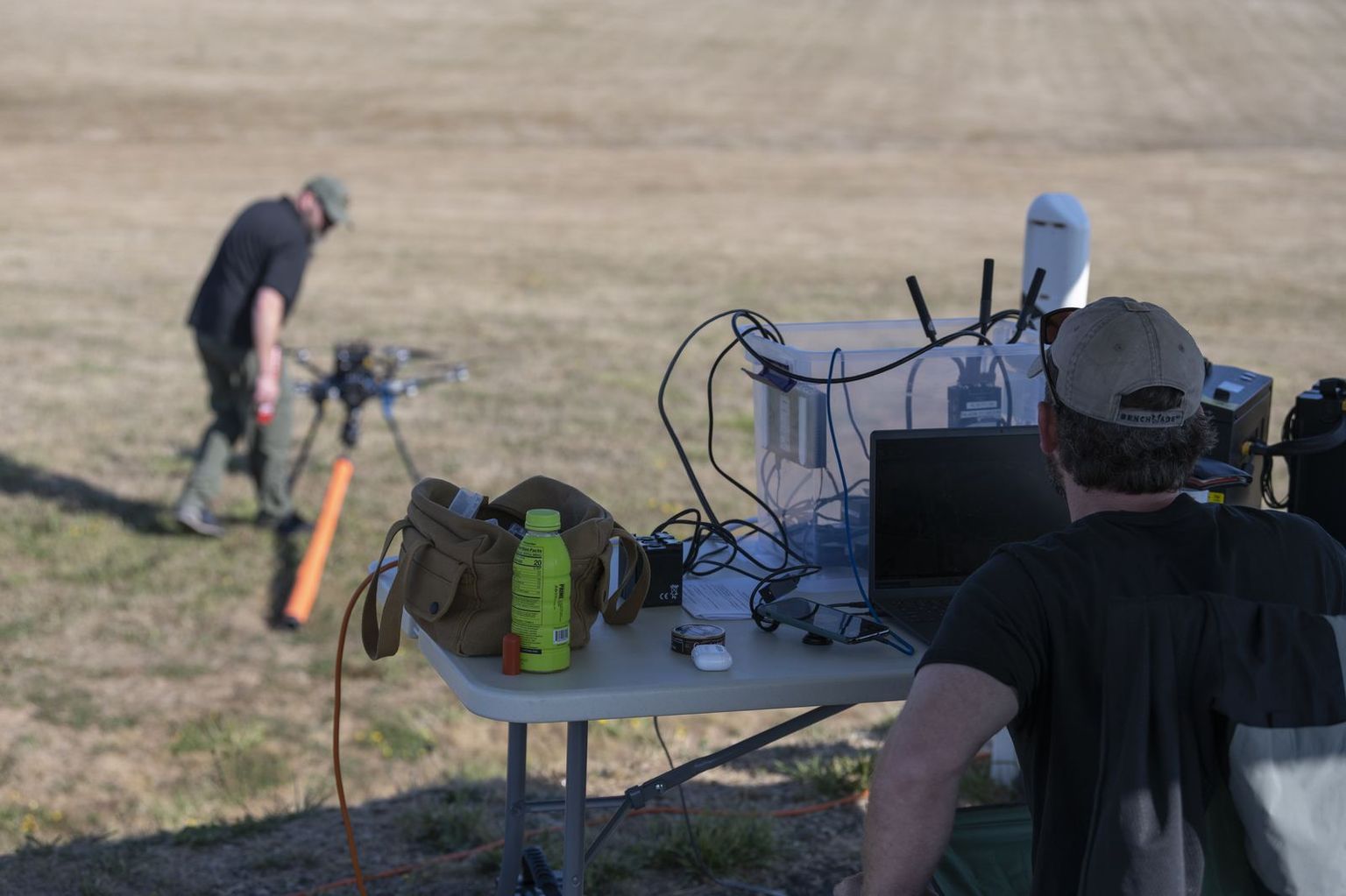
Ukrainian drone makers showcased a new generation of jet-powered interceptor drones at Poland's MSPO defense fair this week, racing to close the speed gap opened by Russia's jet-powered Shahed attack drones. General Cherry is upgrading its Bullet interceptor toward 450 km/h (280 mph) for a fall 2026 release, while Grim Tech is building a rival design targeting 500–700 km/h for an October unveiling.
Background
A Shahed is a family of Iranian-designed, propeller-driven attack drones that Russia mass-produces and launches against Ukrainian cities and infrastructure. Ukraine's air defense had pushed interception rates against those older, slower Shaheds to roughly 90% using cheap first-person-view (FPV) interceptor drones — small, camera-equipped quadcopters flown by a remote pilot wearing video goggles, guided into the target rather than firing a warhead at it.
That changed when Russia began fitting Shaheds with small jet engines instead of piston propellers. As PickDrones reported September 4, Russia launched roughly 2,800 jet-powered drones against Ukraine in August 2026, nearly double July's total, and Ukraine's intercept rate against the faster airframes fell to about 60%. Existing FPV interceptors, built to chase propeller drones cruising around 180 km/h, simply cannot catch a target moving two to three times faster.
Ukraine's Answer: Faster, Cheaper Interceptors
Ukrainian manufacturers showcased their response at the MSPO international defense exhibition in Kielce, Poland, running September 8–11, 2026, according to Defense News.
General Cherry, founded in Ukraine in September 2023 and now the country's leading interceptor maker with 33 products codified for military use, is reworking its Bullet interceptor to survive the stress of higher speeds. A company representative told Defense News: "We have to make changes to the frame and the materials... using more heat-resistant materials." The upgraded Bullet targets 450 km/h and is due by fall 2026.
Grim Tech is developing a purpose-built jet-powered interceptor aimed at 500–700 km/h, with a public presentation planned for late October 2026 — speeds that would let it match or exceed the jet-powered Shahed variants it is meant to stop.
BlueBird Tech, which builds FPV drones, detection sensors, and electronic-warfare systems alongside interceptors, described a development pace built for wartime iteration: "Our R&D cycles are usually measured in weeks, whereas elsewhere you might expect them to take years." The company's stated design goal is a recurring theme across Ukraine's interceptor industry: build something that costs less than the target it destroys, since a $2,000–$5,000 interceptor defeating a Shahed worth tens of thousands of dollars is what makes mass defense financially sustainable.
Anduril founder Palmer Luckey has said Ukraine has already scaled domestic interceptor production to tens of thousands of units a month — an output no Western country currently matches.
Why Speed Is the Whole Problem
An interceptor drone only works if it can physically catch its target before the target reaches its destination. Doubling a Shahed's cruise speed does not just make it harder to hit — it shrinks the window in which ground radar, cheap FPV interceptors, and human operators have to detect, launch, and guide a response. Pushing interceptor top speeds from roughly 180 km/h to 450–700 km/h is less an incremental upgrade than a redesign: airframes need stronger materials to survive higher aerodynamic loads and heat, batteries or small jet/rocket boosters need more power density, and guidance software needs to close on a faster-moving target with less margin for error.
What This Means for Drone Pilots
The interceptor race matters beyond the battlefield. The same low-cost, rapid-iteration playbook Ukrainian makers are using — off-the-shelf components, FPV piloting skills, weekly design cycles instead of multi-year procurement — is the same skill set behind the broader shift toward autonomous and semi-autonomous counter-drone systems now being adopted by police departments, airports, and critical-infrastructure operators worldwide. Western defense contractors and startups are already forming partnerships with Ukrainian interceptor makers to bring this technology into US and European counter-UAS markets, and export restrictions on Ukrainian-made hardware are under active review. For hobbyist and commercial FPV pilots, the underlying flight-control and target-tracking software emerging from this wartime R&D — much like GPS and drone autopilot technology before it — is likely to filter down into civilian drone platforms over the next several years, from agricultural obstacle avoidance to search-and-rescue tracking.
FAQ
Sources: Defense News | PickDrones
More like this
Related Articles
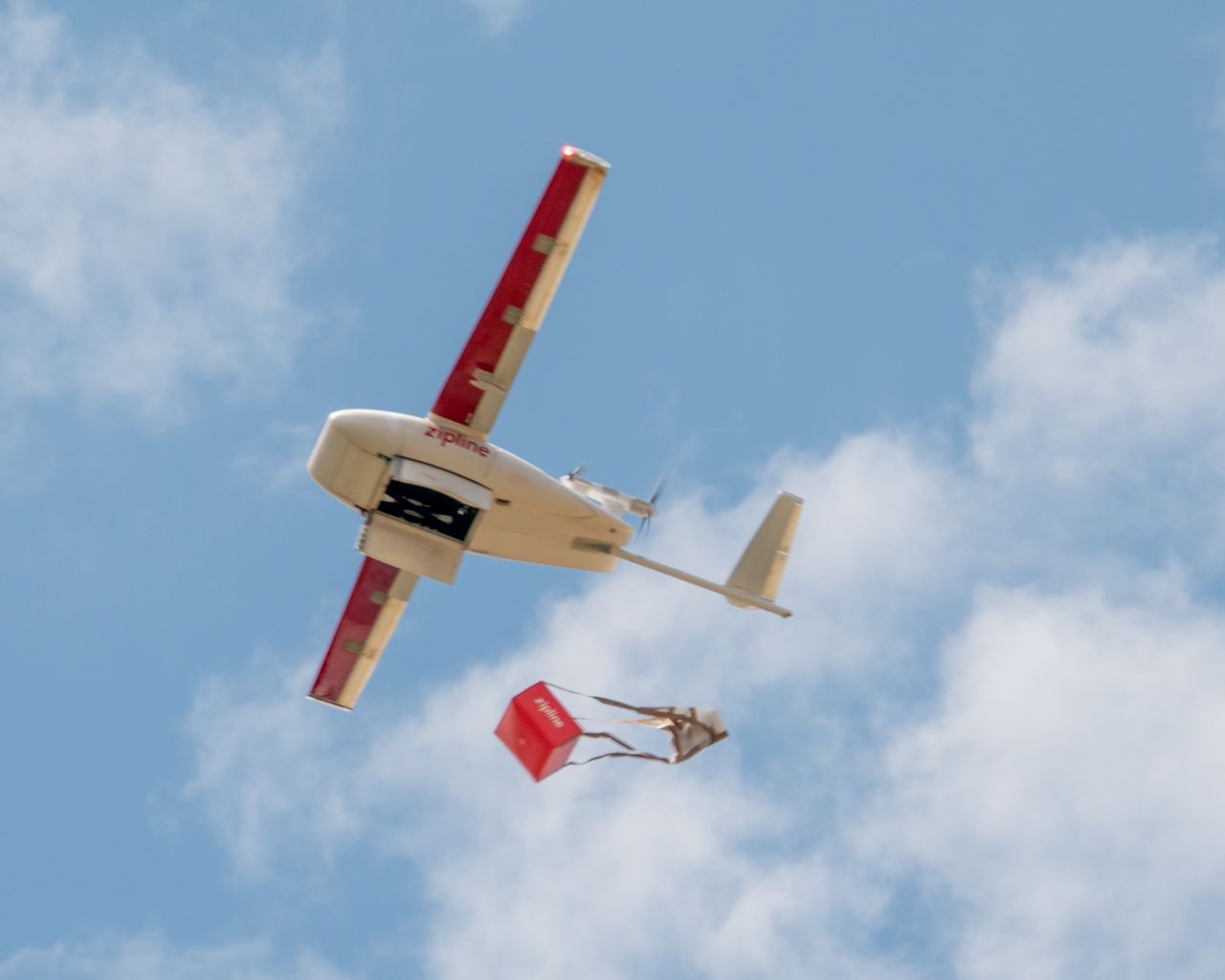
Zipline Asks FAA for 220,000 Texas Deliveries a Day
Zipline has filed a draft FAA environmental review seeking approval for 220,000 drone deliveries a day across five Texas metros —…
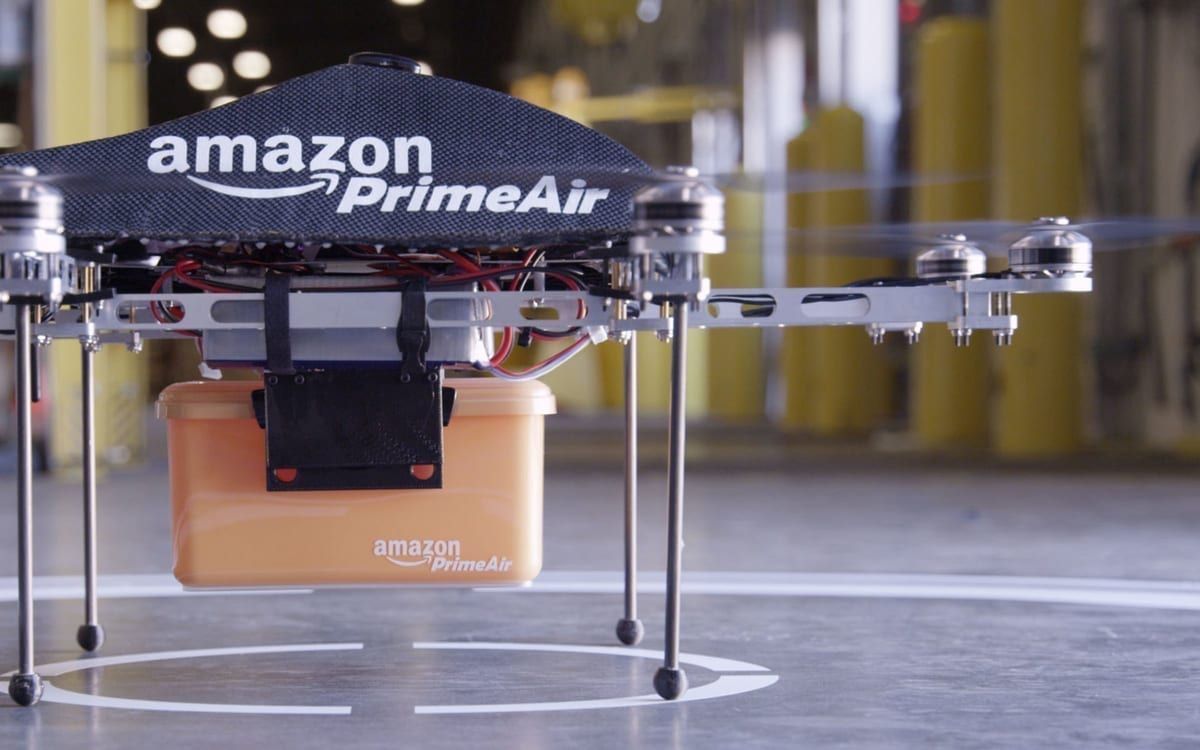
Amazon Seeks CAA Approval for Town-Wide UK Drone Delivery
Amazon has flown 500+ Prime Air deliveries in Darlington and wants CAA approval to cover the whole UK town — a key test case for w…
Wingcopter 262: 6-Hour Tactical eVTOL Debuts for Defense
Wingcopter unveiled the 262, an all-electric eVTOL with 150 km range and 6-hour endurance, built with Ukraine's TAF Industries for…