Drone Tariffs 2026: Trump Hits Imports With Up to 100%

President Donald Trump signed a proclamation on August 13, 2026 imposing tariffs of up to 100% on imported drones and drone components, citing national security risks in the U.S. supply chain. The tariffs use Section 232 authority — the same statute behind the first-term steel and aluminum tariffs — and take effect in stages starting September 3, 2026.
Background: The Third Round of a Widening Fight
This is the third major U.S. drone policy action in under a month, and the first to hit pilots' wallets directly rather than just restrict specific hardware.
In July 2026, the FCC proposed a broader import ban on foreign-made "military-grade" drones, naming DJI and Autel and targeting swarm-capable, thermal-imaging, and LiDAR-equipped aircraft weighing 25 kg (55 lb) or more — the same weight threshold now central to the new tariffs. China responded on August 5 by tightening export controls on drones and components shipped to the U.S., requiring case-by-case government review for items already on its dual-use control list.
The August 13 proclamation is a separate legal track: a Commerce Department Section 232 investigation, which lets the president impose tariffs (not authorization bans) when imports are found to threaten national security. It doesn't replace the FCC's covered-list restrictions or its pending import-ban rule — it adds a cost layer on top of them.
Section 232 is the same authority Trump used in his first term to impose tariffs on imported steel and aluminum in 2018. It requires the Commerce Department to formally find that a given import poses a national security threat before the president can act — a process that typically takes months of investigation, unlike the faster emergency-tariff powers used elsewhere in 2026 trade actions.
How the Tariff Rates Break Down
The proclamation splits drones into tiers by size and capability, with separate, lower rates carved out for close allies.
| Category | Tariff rate | Applies to |
|---|---|---|
| "Sensitive" drones | 100% | Drones over 25 kg (55 lb) max takeoff weight, or with thermal imaging, plus their docking stations and critical components |
| Standard drones | 25% | Smaller drones without those capabilities, and other drone components |
| EU, Japan, Liechtenstein, South Korea, Switzerland, Taiwan | 15% | Drones and parts substantially sourced or manufactured in these countries |
| United Kingdom | 10% | UK-made drones meeting a domestic-sourcing requirement |
Neither China nor its manufacturers appear on the reduced-rate list. Since DJI and Autel — the two largest suppliers of consumer and prosumer drones sold in the U.S. — build the overwhelming majority of their hardware in China, their imports fall under the full 100%/25% tiers rather than the allied discount.
The White House frames the action as reducing dependence on foreign unmanned aircraft systems (UAS), stating that drones are "a key technology in modern armed conflict" and that reliance on foreign-made components "poses significant risks to U.S. national security and creates cybersecurity vulnerabilities."
Timeline: When the Tariffs Actually Hit
- September 3, 2026 (21 days after signing): the primary tariff rates take effect for drones and their listed critical components.
- February 9, 2027 (180 days after signing): tariffs extend to non-sensitive components, and to any products that had been carrying a Department of War or FCC exemption.
That staggered rollout gives importers a short window to bring in inventory at pre-tariff cost. Notably, both the tariff proclamation and the FCC's pending import-ban proposal use the same 25 kg / thermal-imaging threshold to define "sensitive" drones, even though they come from separate agencies acting under separate legal authorities.
What This Means for Drone Pilots
For most hobbyists and small commercial operators flying sub-25 kg drones without thermal cameras, the practical impact is a 25% cost increase on new hardware and spare parts bought after September 3 — before accounting for any price hikes retailers pass on ahead of that date. Buyers in the best drones for 2026 price brackets, largely DJI and Autel consumer lines, are exactly the segment covered by that 25% tier.
Commercial operators running heavier platforms — agricultural sprayers, thermal-inspection rigs, mapping drones over 25 kg — face the 100% tier, which roughly doubles landed cost on new units and on docking stations for automated BVLOS operations. Pilots weighing whether to buy before or after the deadline should also track parts availability: pre-tariff stock will thin fast once the September 3 date is public knowledge industry-wide.
The tariffs don't change flight rules, registration, or airspace access — they're a cost issue, not an operational one. But combined with the FCC's pending import-ban proposal, they add pressure on U.S. buyers to evaluate non-Chinese alternatives from Skydio, Parrot, or the EU/Japan/Taiwan makers now covered by the 15% reduced rate.
Anyone comparing options across the DJI and Autel lineups before the September 3 deadline should weigh the tariff timing against the specs themselves — see our complete DJI drone guide for what's currently available by model and price tier. Operators who already own qualifying hardware are unaffected; the tariffs apply to new imports, not drones already in the country.
FAQ
Sources: The White House | ABC News
More like this
Related Articles

Australia's New CASA Rules Ease Large Drone Certification
From September 29, CASA lets large drones over 150kg use any airworthiness certificate or fly without one, opening new paths for c…
Lowe's Launches Drone Delivery: Tools in 20 Minutes
Lowe's is now the first US home improvement chain offering drone delivery, using Wing and DoorDash to get tools and paint to your…
Matternet Unveils M3: 11-lb Drone, 10-Mile Range
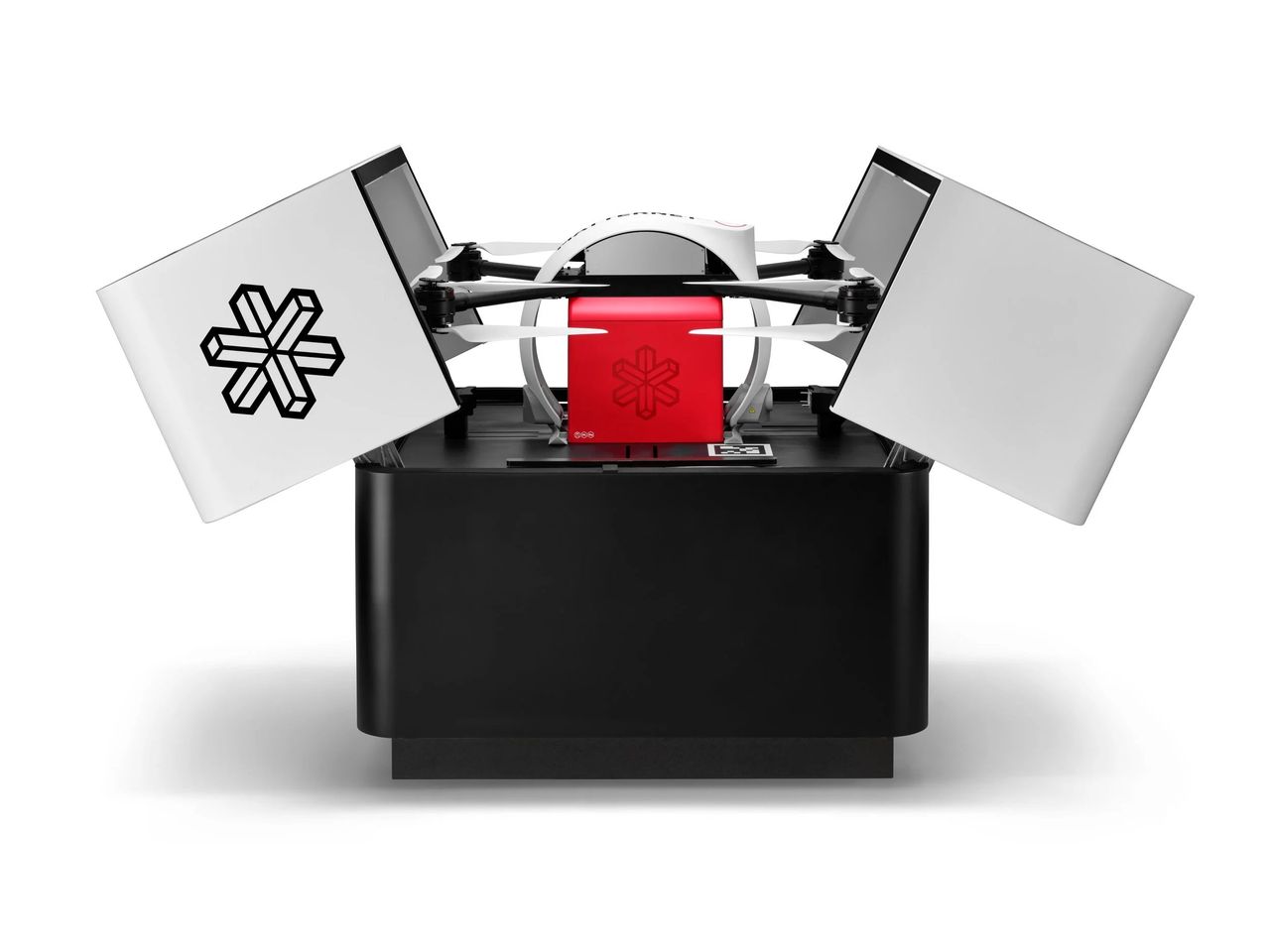
Matternet unveiled the M3 autonomous drone delivery platform on Sept. 28, 2026: 11-pound payload, 10-mile range, new dock, and a 2…