Drones Ground Wildfire Aircraft 26 Times, Face $100K Fines
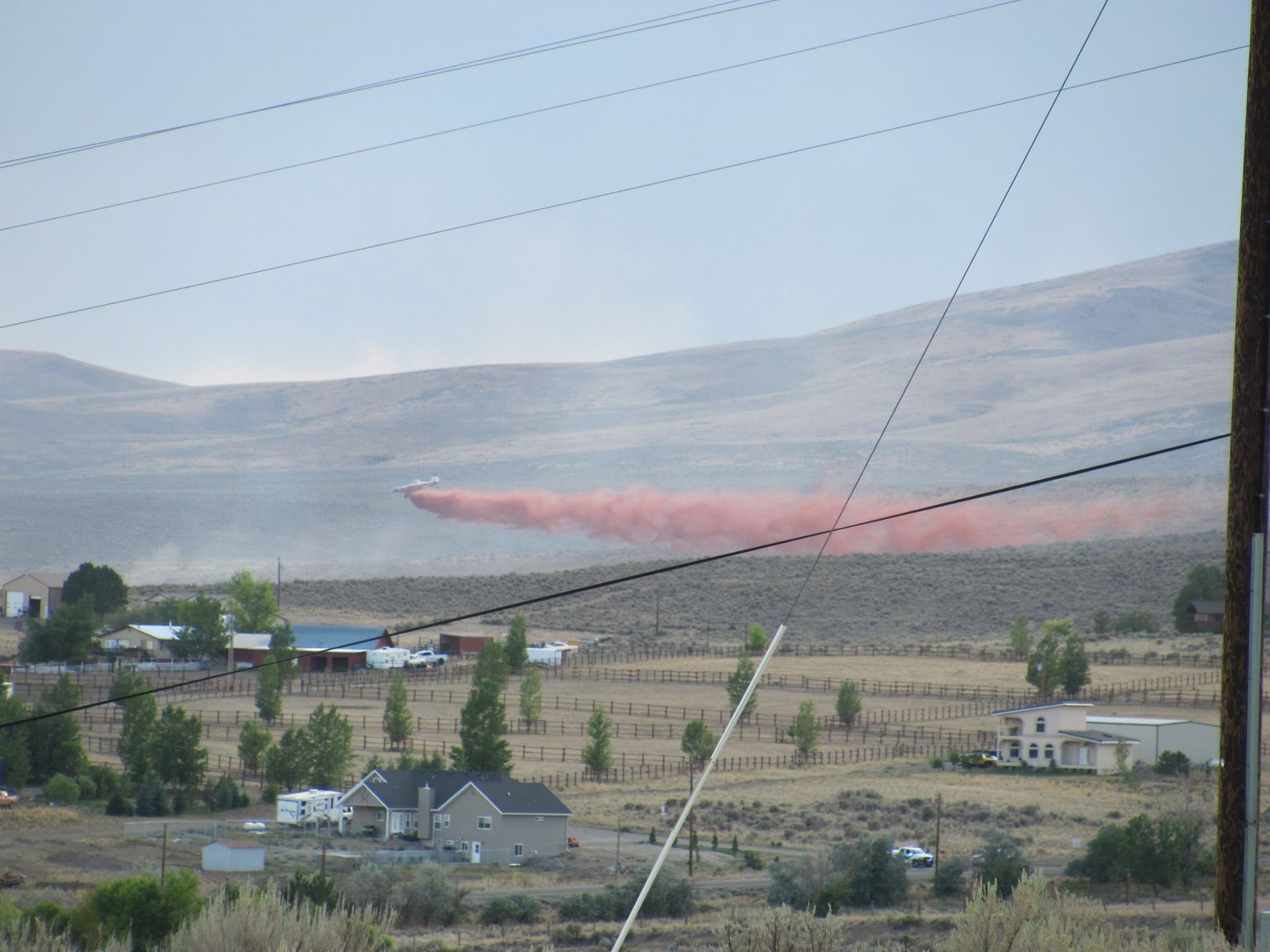
Civilian drones entered the restricted airspace over three active Spokane County, Washington wildfires at least 26 times between August 1 and August 3, 2026, repeatedly forcing firefighting aircraft to stop flying. Four of those drones crossed directly into the flight path of aircraft dropping water and retardant, according to Spokane County Sheriff John Nowels. Two operators have been cited so far, with the cases referred to the FAA for federal penalties that can reach $100,000.
Background
The Autumn Lane, Fairview, and Old Trails fires ignited on August 1, 2026, in Spokane County and had burned at least 10,280 acres with 0% containment by the morning of August 4, forcing evacuations across a widening area north of the city, according to CNN.
As soon as an active wildfire is declared, the FAA issues a Temporary Flight Restriction (TFR) — a short-lived no-fly zone, typically up to 5,000 feet, that covers the fire and the surrounding airspace so water- and retardant-dropping aircraft can operate without colliding with an unauthorized drone. Unlike a permanent restriction around an airport, a TFR appears and disappears within hours or days, tied to the event rather than a fixed location. It is legally in force the moment the FAA publishes it, whether or not a pilot bothered to check that morning.
This isn't a new problem for wildfire season. A drone collided with a "Super Scooper" firefighting aircraft during the January 2025 Los Angeles wildfires, punching a hole in its wing and grounding the aircraft for repairs while homes burned nearby. The Spokane incident, with 26 confirmed incursions in three days, is one of the worst on record for a single fire complex.
What Happened Over the Old Trails Fire
Crews tracked the drone activity closely because every incursion has an immediate, measurable cost. When a drone enters a wildfire TFR, all aerial firefighting units in the area are grounded until the airspace is confirmed clear — a single sighting can halt water and retardant drops for 30 minutes or more while the fire continues to spread underneath.
That is exactly what happened on the evening of August 3, when a drone sighting inside the restricted zone grounded the roughly 35 aircraft assigned to the fires for about half an hour, the second such disruption in two days, according to FireRescue1.
"Four of the drones flew directly in the path of firefighting apparatus operating in the air," Sheriff Nowels said. Washington Department of Natural Resources spokesperson Ryan Rodruck put the operational cost in blunter terms: "We cannot risk a possible drone impact. It's a serious safety concern," he said, adding that grounded aircraft mean "vital seconds, minutes, are lost" while flames keep advancing toward homes.
The Spokane County Sheriff's Office says it has identified multiple drone operators through flight-path analysis and witness reports, and has cited two so far. Those cases have been referred to the FAA, which handles federal enforcement for TFR violations.
The Penalties Drone Operators Now Face
Flying inside an active wildfire TFR is not a warning-first offense. Under 49 U.S.C. § 46320, interfering with wildfire suppression carries a civil penalty of up to $20,000 per violation. If the interference is found to have endangered aircraft or personnel, operators can face separate criminal charges carrying fines up to $100,000 and up to 12 months in prison, on top of the standard FAA civil penalties for flying inside any TFR.
| Violation | Penalty type | Maximum |
|---|---|---|
| Flying inside a wildfire TFR | Civil (FAA) | Up to $20,000 |
| Interfering with wildfire suppression aircraft | Criminal | Up to $100,000 and 12 months in prison |
| Standard TFR violation (non-wildfire) | Civil (FAA) | Case-by-case, typically $1,000–$5,000 |
None of these penalties require proof that the drone actually caused a crash. Grounding an aircraft or forcing it to divert is enough to trigger the maximum civil fine, and prosecutors have discretion to escalate to criminal charges when a drone crosses directly into an aircraft's flight path, as four of the Spokane drones did.
What This Means for Drone Pilots
The Spokane incursions are a reminder that a wildfire TFR is one of the least forgiving airspace restrictions a recreational or commercial pilot can violate, anywhere a wildfire authority operates a TFR system, not just in Washington. A few practical takeaways apply regardless of location:
- A TFR can appear with no warning. Unlike an airport's controlled airspace, a wildfire TFR doesn't exist until the fire does. Check a live airspace app — not last week's map — before every flight near active fire activity, smoke, or an evacuation zone.
- "I didn't see the smoke" is not a defense. TFRs are published to FAA databases the moment they're issued and are legally binding immediately, whether or not a pilot's app has synced or they happened to notice smoke on the horizon.
- Enforcement is no longer rare. The Spokane Sheriff's Office identified and cited operators within days using flight-path analysis, not just eyewitness reports — a sign that wildfire-drone enforcement has become more systematic since the 2025 Los Angeles incident.
- The video is never worth it. Every official quoted on this incident made the same point: no photo or clip justifies delaying a retardant drop over a fire burning toward occupied homes.
For a full breakdown of how TFRs work alongside permanent no-fly zones and which apps to check before flying, see our drone no-fly zones guide. Pilots flying in the US should also review the complete rundown of registration, Remote ID, and penalty rules in our US drone laws guide.
FAQ
Sources: FireRescue1 | CNN | DroneXL
More like this
Related Articles
Drone Halts Flights at Reagan National for 20 Minutes
An unauthorized drone forced a 20-minute halt of all Reagan National Airport flights on Sept. 16, 2026 — here's what happened and…
Joby Completes First 3,199-Mile Autonomous US Flight
Joby's J208 flew 3,199 miles across the US with zero pilot input on September 18, 2026 — the first fully autonomous coast-to-coast…
Zipline Nears $20B Valuation in New $1B Funding Round
Zipline is in talks to raise about $1 billion at a $20 billion valuation, nearly tripling its worth as US drone delivery scales pa…