San Diego Airport Drone Shutdown Hits 400+ Flights
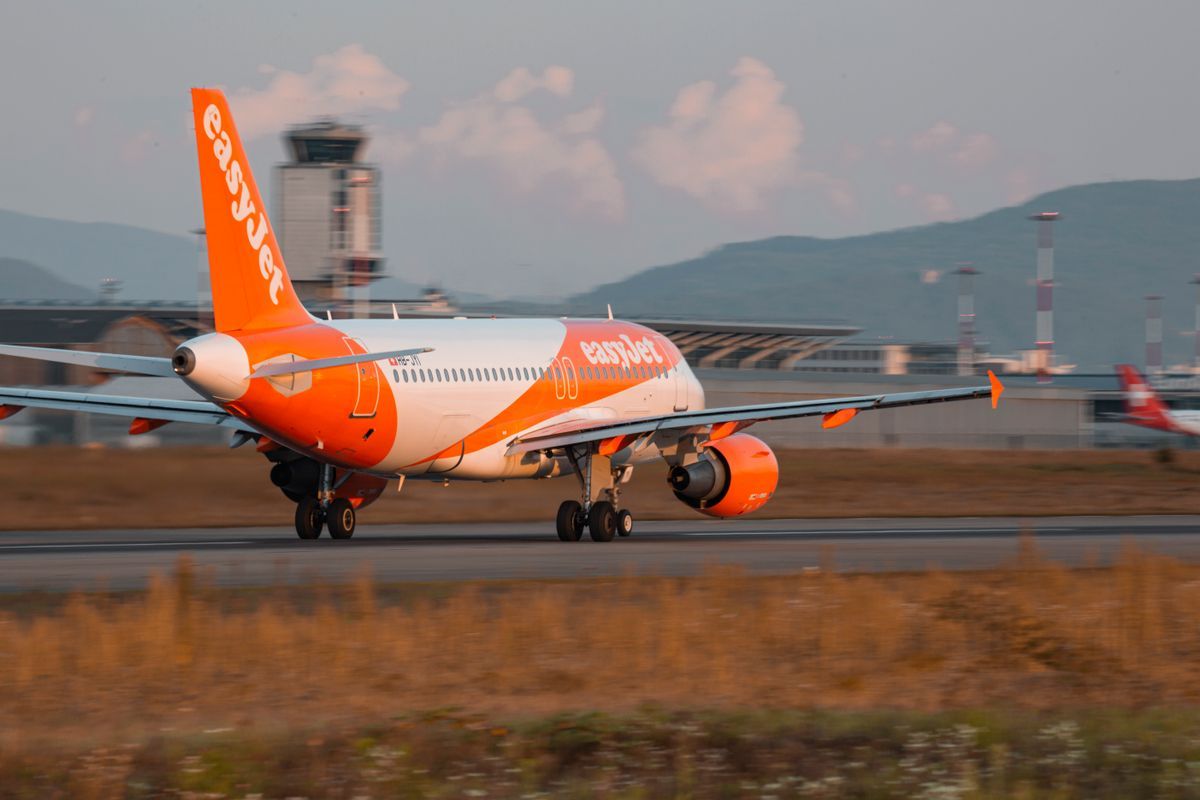
A drone spotted near San Diego International Airport (SAN) forced the FAA to halt all arrivals and departures for roughly two and a half hours on Friday, September 4, 2026, delaying more than 400 flights at the start of Labor Day weekend. TSA law enforcement is investigating, but has not identified the operator.
What Happened at San Diego International Airport
The FAA paused operations at SAN around 2 p.m. local time after a drone and a separate high-altitude weather balloon were both reported in the airport's immediate vicinity, according to 10News San Diego. Witnesses described one drone hovering an estimated 20 to 25 feet above the airport's air traffic control tower.
SAN operates on a single runway and handles roughly 700 flights a day, so any ground stop there cascades quickly. The FAA lifted the halt at 4:30 p.m., but flight-tracking data cited by Tech Times showed more than 400 flights delayed by an average of 122 minutes, with some passengers facing diversions and missed connections heading into the holiday weekend.
Why Investigators Couldn't Identify the Drone
This incident highlights a gap in US drone enforcement: airports are not required to run counter-drone detection systems, and SAN has none installed. When TSA investigators arrived, they had no radar track, no flight-path history, and no confirmed operator location to work from — only witness reports.
Remote ID (Remote Identification) is the FAA requirement, in effect since 2023, that most drones broadcast an identifying signal readable by nearby receivers. But Remote ID only works if someone is nearby with a compatible receiver to pick up the broadcast — it does not automatically report a drone's position to air traffic control or airport security. Without dedicated detection hardware at the airport, a compliant broadcast can go completely unheard, and a non-compliant flight leaves no trace at all once it lands.
That gap is why the TSA investigation into the San Diego incident may not lead to charges: absent physical evidence or a witness who can identify the operator, there may be no way to prove who was flying.
A Pattern of Airport Disruptions
San Diego is the latest in a string of 2026 incidents where drones have grounded flights or triggered security responses at major airports. The FAA's own sightings data showed 601 drone reports near US airports in the second quarter of 2026 alone, nearly double the prior quarter, with incidents affecting approach paths at both JFK and Newark.
Flying a drone within 5 miles of an airport, or inside its controlled airspace, without authorization is a violation of federal aviation regulations regardless of intent — even a hobbyist testing a new drone can trigger a ground stop and a federal investigation.
What This Means for Drone Pilots
Every pilot flying near controlled airspace should treat incidents like San Diego's as a reminder of the stakes. Airspace near any airport is either Class B, C, or D controlled airspace or falls inside a surface-level restriction, and flying there without prior authorization through the FAA's LAANC system is illegal — whether the flight is recreational or commercial under a Part 107 certificate.
Penalties are not theoretical. The FAA can pursue civil fines that run into the tens of thousands of dollars for unauthorized flights near airports, and knowingly interfering with air traffic can trigger criminal charges. Always check airspace restrictions with the FAA's B4UFLY app or a LAANC-authorized service before flying anywhere near an airport boundary, and never fly if you cannot maintain visual line of sight and confirm you are clear of approach and departure paths.
For airports themselves, San Diego's incident adds to pressure on the FAA and Congress to fund counter-drone detection infrastructure at more US airports — technology that airports currently are not required to install, and that many, including SAN, do not have.
FAQ
Sources: 10News San Diego | Tech Times
More like this
Related Articles
Ghost Shark Sea Mines and Altius Drone Swarms Unveiled
Australia revealed Ghost Shark payloads on Oct. 19: 12 sea mines, Altius loitering-drone swarms and seabed caches. Here's what the…

China Drone Export Controls: Motors, Props From Nov 18
China will require export licenses for heavy-lift drone motors, propellers, autopilots and long-range drones from Nov 18. See what…

Ukraine 1,000-Drone Attack on Russia: What We Know
Russia says it downed 1,015 Ukrainian drones in one night as St. Petersburg's oil terminal burned. Here is what happened and what…