Quantum Systems Used CIA Money to Crack the US Market
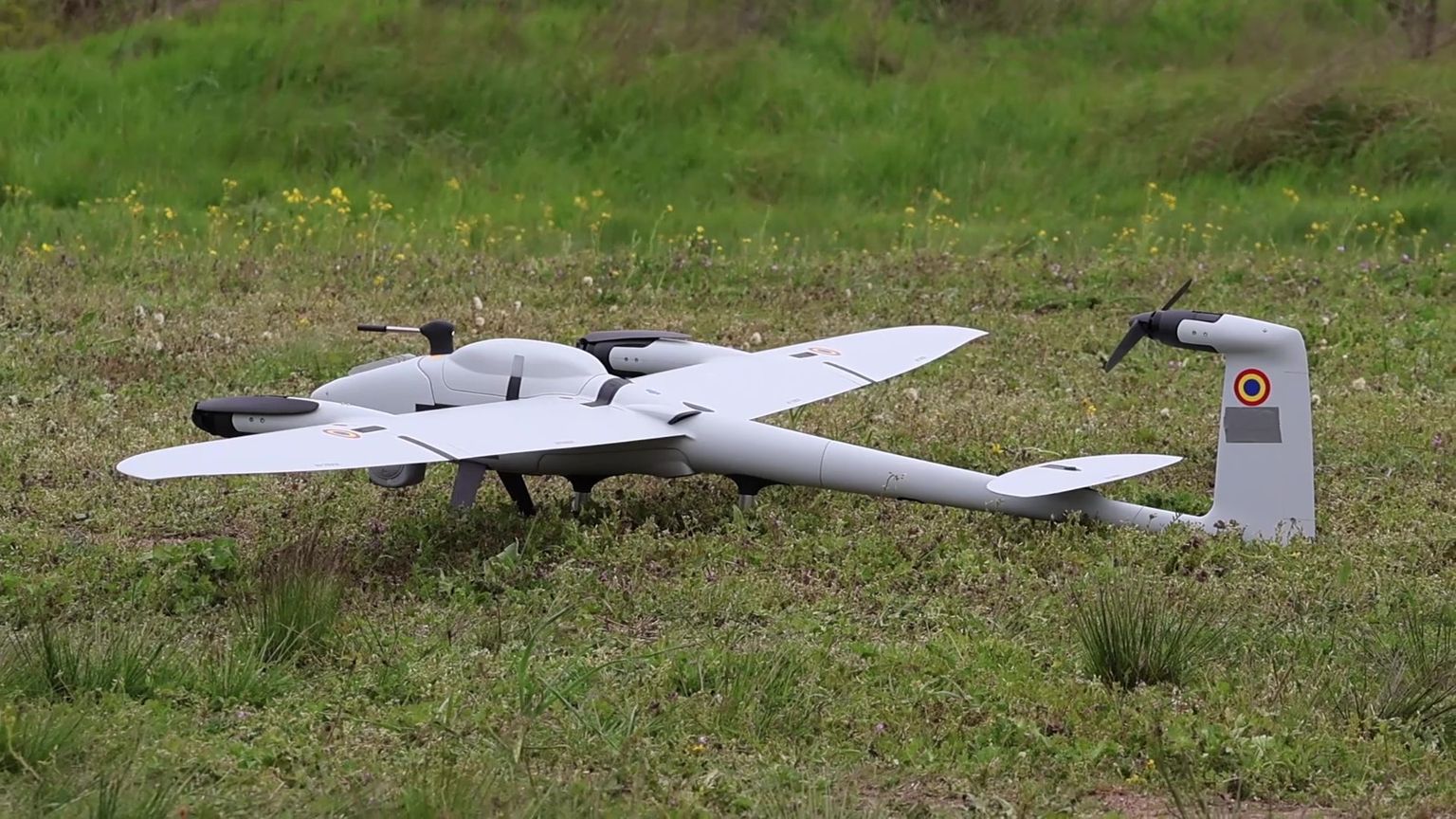
Quantum Systems, a Bavaria-based reconnaissance drone maker valued at roughly $8 billion, got its foothold in the US defense market with help from In-Q-Tel, the CIA's venture capital arm, according to a Reuters report published August 31, 2026. Co-CEO Sven Kruck told Reuters the backing "made it easier to get started in the U.S.," opening doors to CIA and FBI contract work that a foreign manufacturer could not easily win alone.
Background: A German Drone Maker's US Problem
Quantum Systems builds reconnaissance, attack, and interceptor drones already flying with the German armed forces and, in large numbers, with Ukraine's military. That combat record made it one of Europe's most closely watched defense startups, but combat credibility in Kyiv does not automatically translate into contracts in Washington.
The US defense market runs on a "trusted supplier" system: government buyers strongly prefer hardware from companies with an established security relationship, not just a good product. For a European manufacturer with no American ownership and no history with US agencies, that is a hard door to open — regardless of how capable the drone is.
In-Q-Tel is the venture capital fund the CIA created in 1999 to identify and invest in technology relevant to US national security. Its checks are typically small — often under $3 million — but its real value, according to people familiar with its operations, is the introduction: it connects portfolio companies directly to the government agencies most likely to buy from them.
What In-Q-Tel's Backing Actually Bought
For Quantum Systems, that backing translated into concrete US infrastructure. The company opened a 135,000-square-foot production facility in Moorpark, California, in June 2025, and its Vector VTOL reconnaissance aircraft earned Blue UAS Cleared List status the following August — the Pentagon's list of drones cleared for government purchase after passing a cybersecurity and supply-chain review.
| Milestone | Date |
|---|---|
| Moorpark, California facility opens | June 2025 |
| Vector earns Blue UAS Cleared List status | August 2025 |
| Reuters reports In-Q-Tel's role | August 31, 2026 |
| Planned IPO | As early as 2027 |
According to Reuters, In-Q-Tel's introductions helped Quantum Systems establish credibility directly with the CIA and FBI, which now use the company's reconnaissance hardware. The investment amount was not disclosed, and Quantum Systems has not announced it publicly — the relationship became known through Reuters' reporting, not a press release.
The Trade-Off: Access for Dependency
The arrangement is not one-directional. Reuters notes that once a European company takes on US government-linked capital and clears a list like Blue UAS, it typically cannot resell that same US-cleared technology abroad without American export approval — even to its home government. Quantum Systems' German- and Ukraine-facing product line and its US-facing one now sit under different rules.
Industry observers cited by Reuters point to a broader pattern: Europe lacks a venture capital ecosystem with the same defense-sector connections as In-Q-Tel, so European drone makers seeking American revenue increasingly route through the same handful of US-linked investors. That concentrates influence — through board seats, licensing terms, and observation rights — in a way normal equity funding rounds in Europe do not.
It has also split Quantum Systems' own leadership. Co-founder Florian Seibel left to launch Stark, a separate strike-drone company, after Quantum Systems' investors declined to let the firm weaponize its surveillance platforms — a line the company has held even as it deepens its ties to US intelligence and defense buyers.
What This Means for Drone Pilots
Most commercial and hobbyist pilots will not fly a Vector or compete for a CIA contract, but this deal signals where the money and market access are moving in 2026. US buyers, from federal agencies to critical-infrastructure operators, are increasingly steered toward drones with a documented "trusted" pedigree — a Blue UAS listing, a US-based production line, or a US investor with government ties — rather than choosing purely on specs or price.
For US-based drone businesses, the practical takeaway is that Blue UAS status and comparable trusted-supplier credentials are becoming a real purchasing filter for public-safety, utility, and government contracts, not just a marketing badge. Agencies and municipalities writing procurement specs in 2026 increasingly list Blue UAS clearance or equivalent security vetting as a baseline requirement, ahead of price or flight-time comparisons that dominated fleet purchasing just a few years ago.
For European operators watching the DJI and Autel restrictions play out in Washington, Quantum Systems' path shows there is a route into the US market — but it runs through American capital and government relationships, not just better hardware. That is a materially higher bar for a smaller manufacturer without a Ukraine combat record or a government-linked investor already in its cap table. Readers navigating the broader US-Europe regulatory divide can compare it with our guide to drone laws in Germany, and with how military and reconnaissance drones differ from the commercial aircraft most pilots fly day to day.
FAQ
Sources: DroneXL | Reuters via Seeking Alpha
More like this
Related Articles
FCC Files Sealed Pentagon DJI Letters in Ban Fight
The FCC filed eight Pentagon letters on DJI under seal and says its ban did not rely on them. Here is what Section 1709 means and…
Skydio ISR Command Lets 1 Soldier Fly 2 X10D Drones
Skydio ISR Command lets one soldier fly two X10D drones and pass target grids to strike platforms up to F-16s. See what launched a…
DJI Dock 4 Launch: 25-Second Battery Swap, No FCC Grant
DJI Dock 4 launched Oct. 14, 2026 with a 25-second battery swap and the 59-minute Matrice 5TD. Here are the specs, the missing FCC…