
Portland Drone Hub Moratorium: 11-0 Vote Targets Amazon
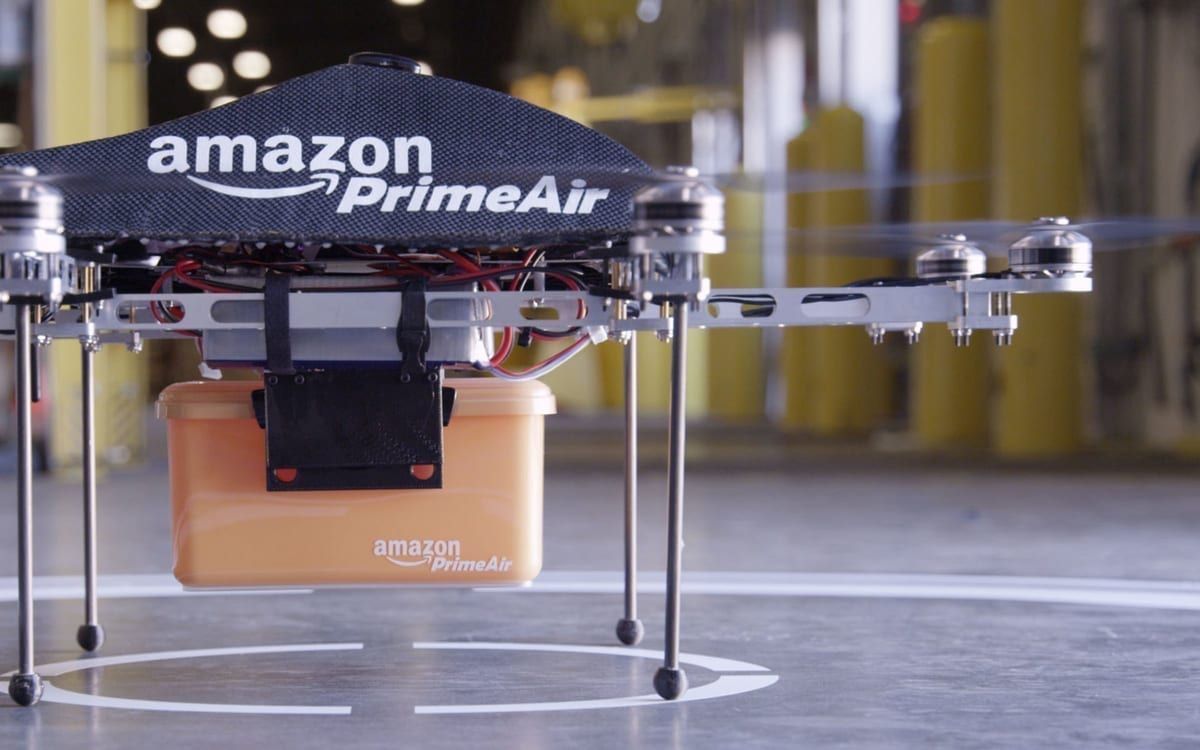
The Portland City Council voted 11-0 on October 14, 2026, to begin the state process for a possible moratorium on facilities that support commercial delivery drones. The vote adopts no pause yet: it only starts a 45-day notice period, and it lands as Amazon's planned Prime Air hub in North Portland draws a wave of resident complaints about noise, privacy, and wildlife.
Amazon has told local media it planned to start flying in Portland in early 2027. According to DroneXL, the company then canceled an October 20 pre-application meeting with city planners, and it has not been rescheduled.
What Did Portland's Council Vote On?
Portland's council unanimously approved Resolution 37754, which authorizes notice to Oregon's land-use agency that the city may adopt a moratorium on commercial drone delivery support sites. Councilor Loretta Smith was absent. The resolution names no company, but DroneXL ties it to Amazon's planned hub at its North Schmeer Road warehouse.
The vote does three specific things:
- Starts the 45-day notice clock required by state law before a final hearing.
- Leaves existing development rules unchanged for now.
- Sets up a later vote by the full council, which is the only body that can adopt a moratorium.
DroneXL estimates the earliest final hearing would fall around November 29 if notice went out October 15, but it says it has not confirmed the notice date. Treat that date as an estimate.
Background: Amazon's Push Into Cities
Amazon says its Prime Air service is expanding toward nearly 500 US cities and towns by the end of 2026. Each community typically gets a hub-and-spoke site, where drones launch from a warehouse or parking lot and fly deliveries within a radius of several miles. For a primer on how that model works, see our drone delivery guide.
Portland follows a pattern. Residents in Texas pushed back on flight noise earlier this fall, as covered in our report on the Texas drone noise revolt. In Massachusetts, three state lawmakers asked Amazon to pause its Westborough hub on September 29. And 15 states plus Harris County, Texas, are suing the FAA over the environmental review behind its delivery clearance.
Can a City Ban Delivery Drones in Oregon?
No. A city cannot ban the flights themselves, and Portland's power is limited to land use. According to DroneXL, ORS 837.385 reserves the rules for drone operation to the state legislature, and the FAA controls US airspace under federal law. What Portland can regulate is the building, the zoning, and the permit for the ground site.
Under ORS 197.520, a moratorium requires a "demonstration of compelling need" and written findings. It can last up to 120 days, and any extension needs its own hearing.
The Helicopter Zoning Question
DroneXL reports that Hoodline wrote the city treats Amazon's drones as helicopters under zoning rules, but notes that no city document confirms this. If it is accurate, the helicopter landing facility chapter of the city code would apply. That would require a public hearing and review by the city's noise board before Amazon could build.
DroneXL's author argues a moratorium is actually the weaker tool, because the council must prove existing rules cannot prevent harm. The outlet suggests a dedicated drone section built on the helicopter chapter instead, requiring flight counts, noise data, and routes.
What the Public Record Shows
| Item | Status as of October 16, 2026 |
|---|---|
| Council vote | 11-0 on October 14 (one absence) |
| Moratorium adopted | No |
| Written public comments | 16 comments from 15 people, all supportive |
| Amazon pre-application meeting | Canceled at Amazon's request |
| Amazon's flight start target | Early 2027 |
| FAA environmental document for Portland | None listed |
What This Means for Drone Pilots
Recreational and Part 107 pilots will not see new flight restrictions from this vote. Portland cannot set airspace rules, and no moratorium exists yet. What changes is the climate: local land-use fights are becoming the main friction point for delivery operators, and they can delay a launch even when federal approval is in hand.
Commercial operators planning BVLOS or delivery programs should budget time for hearings, noise studies, and community outreach. If you fly near a planned hub, expect more public attention on drone activity, and review the basics in our guide to Part 107 certification.
FAQ
More like this
Related Articles
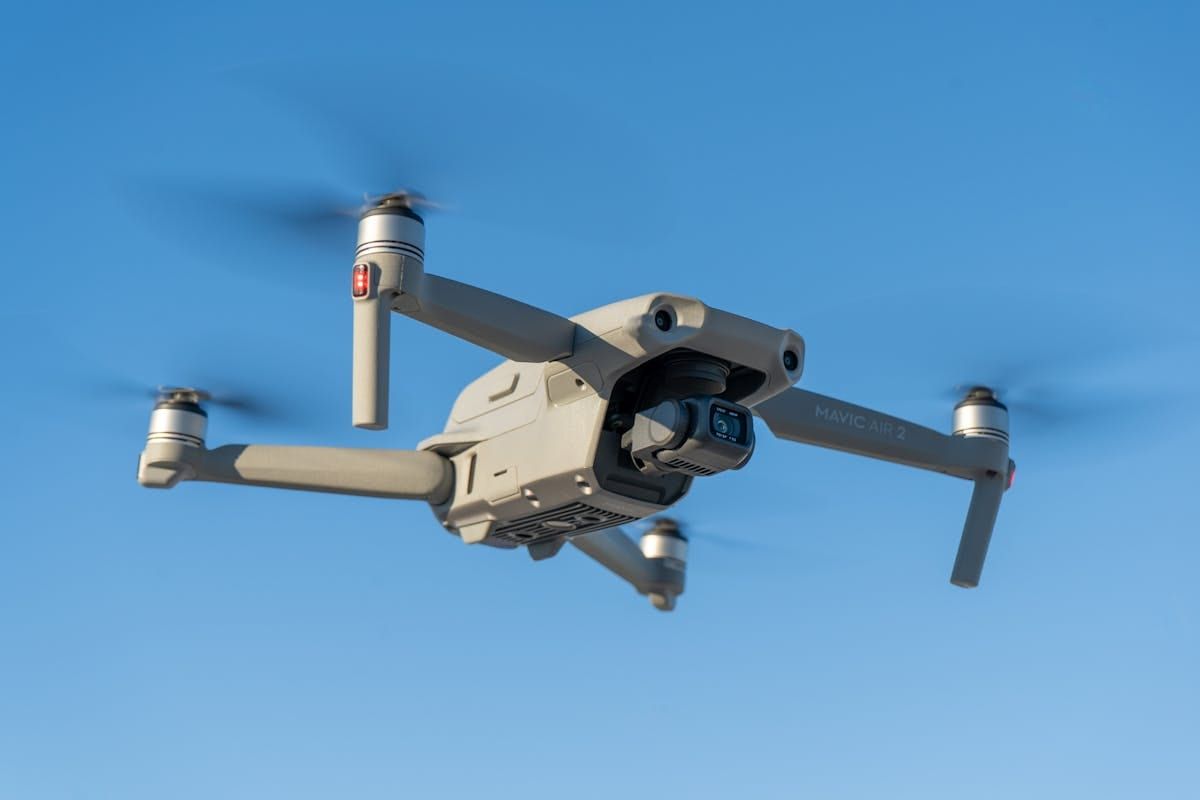
Jovistar FCC Drone Approval Dismissed: DJI Shell Exits
Jovistar, a suspected DJI front company, asked TÜV to dismiss its own FCC drone approval on Oct. 8, 2026. Here's what happened and…
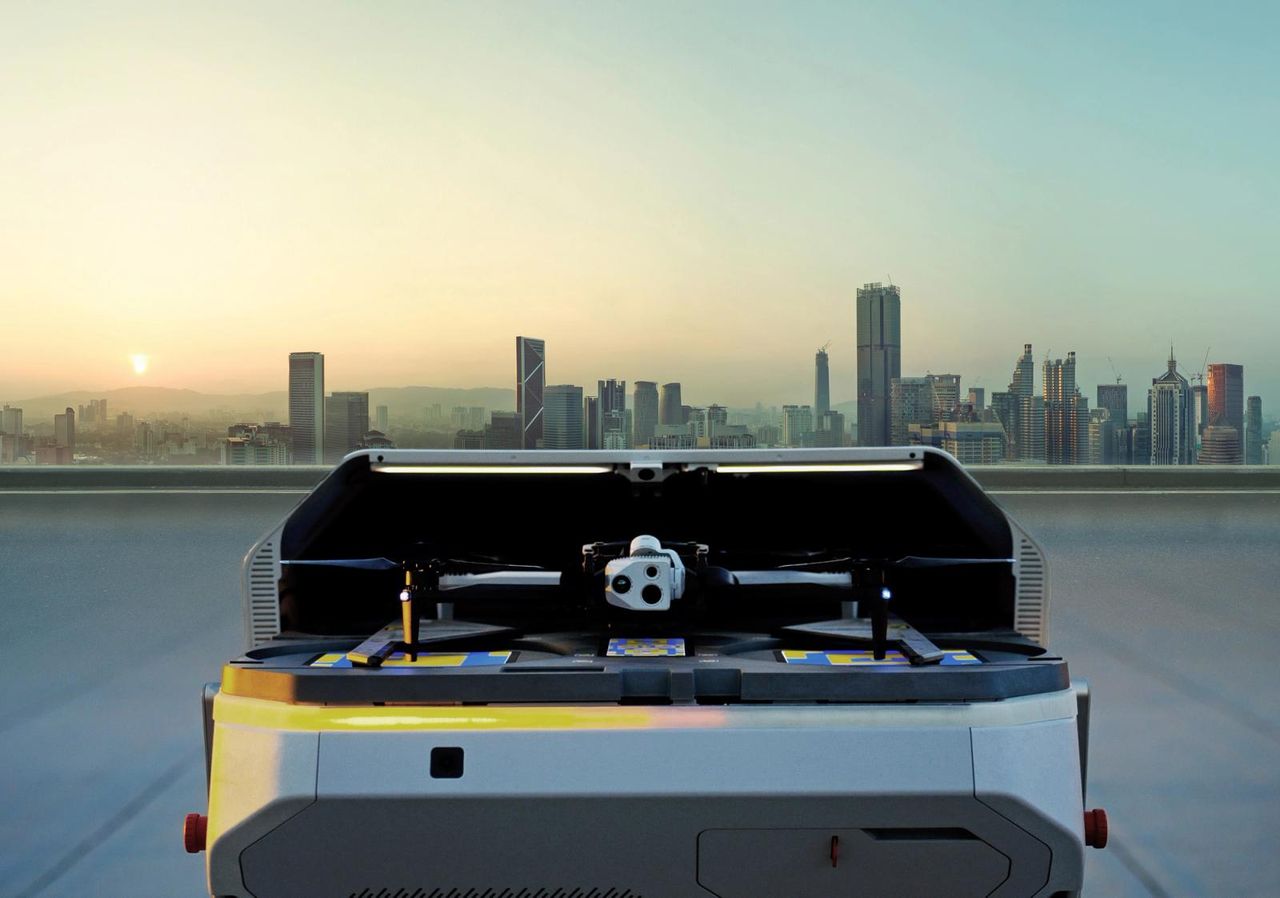
Dominion Energy Adds 100 Skydio Docked Drones (2026)
Dominion Energy is adding 100 Skydio docked drones to its fleet, per CEO Adam Bry. See what the utility says it saves, how pilots…
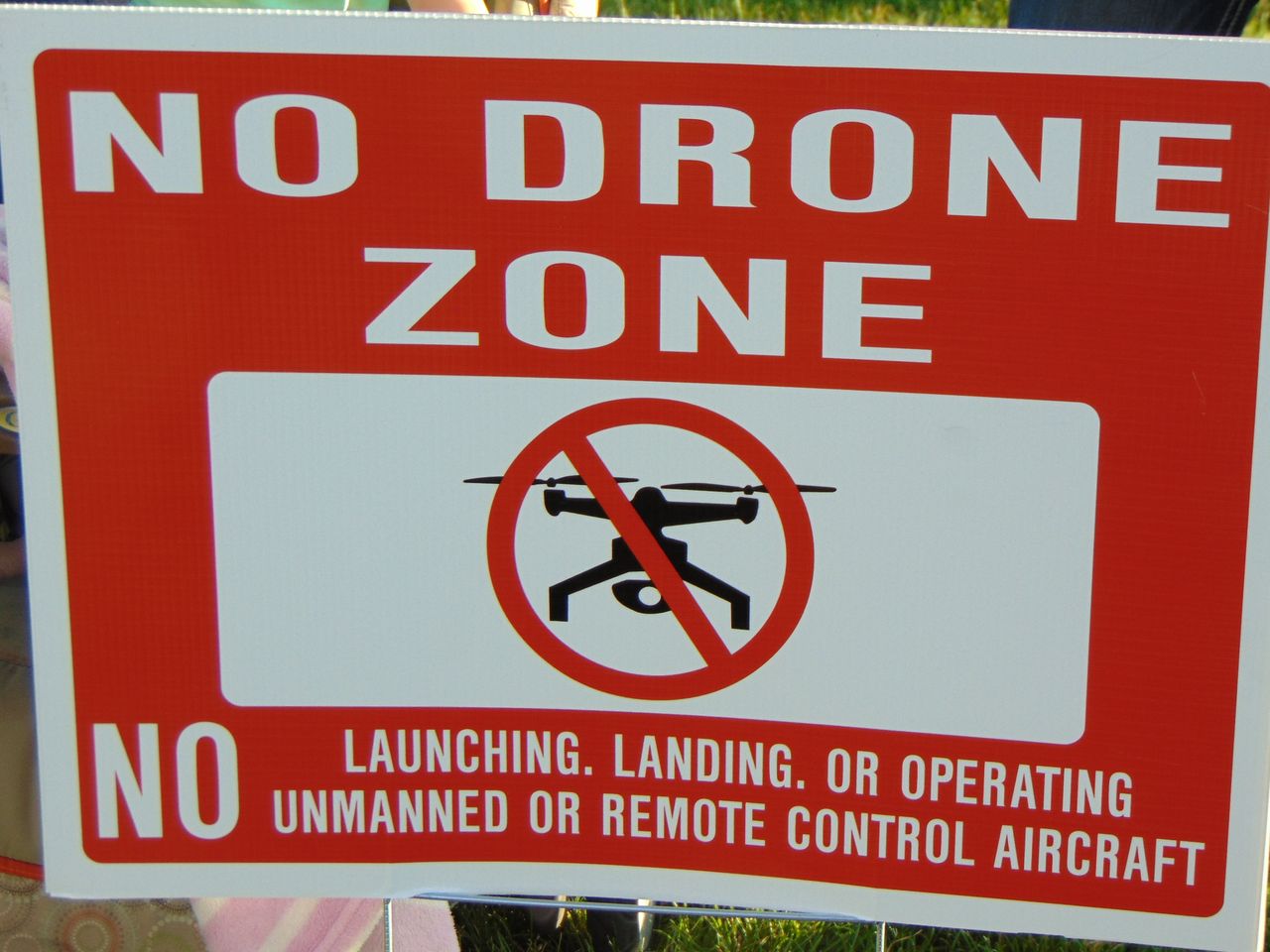
FAA Drone Ban Along US-Mexico Border Starts Oct 2026
The FAA has banned unauthorized drones within 1 nautical mile of the entire US-Mexico border, up to 400 feet. Here is who is affec…