Pentagon Creates AUTOWARCOM, New Drone Warfare Command
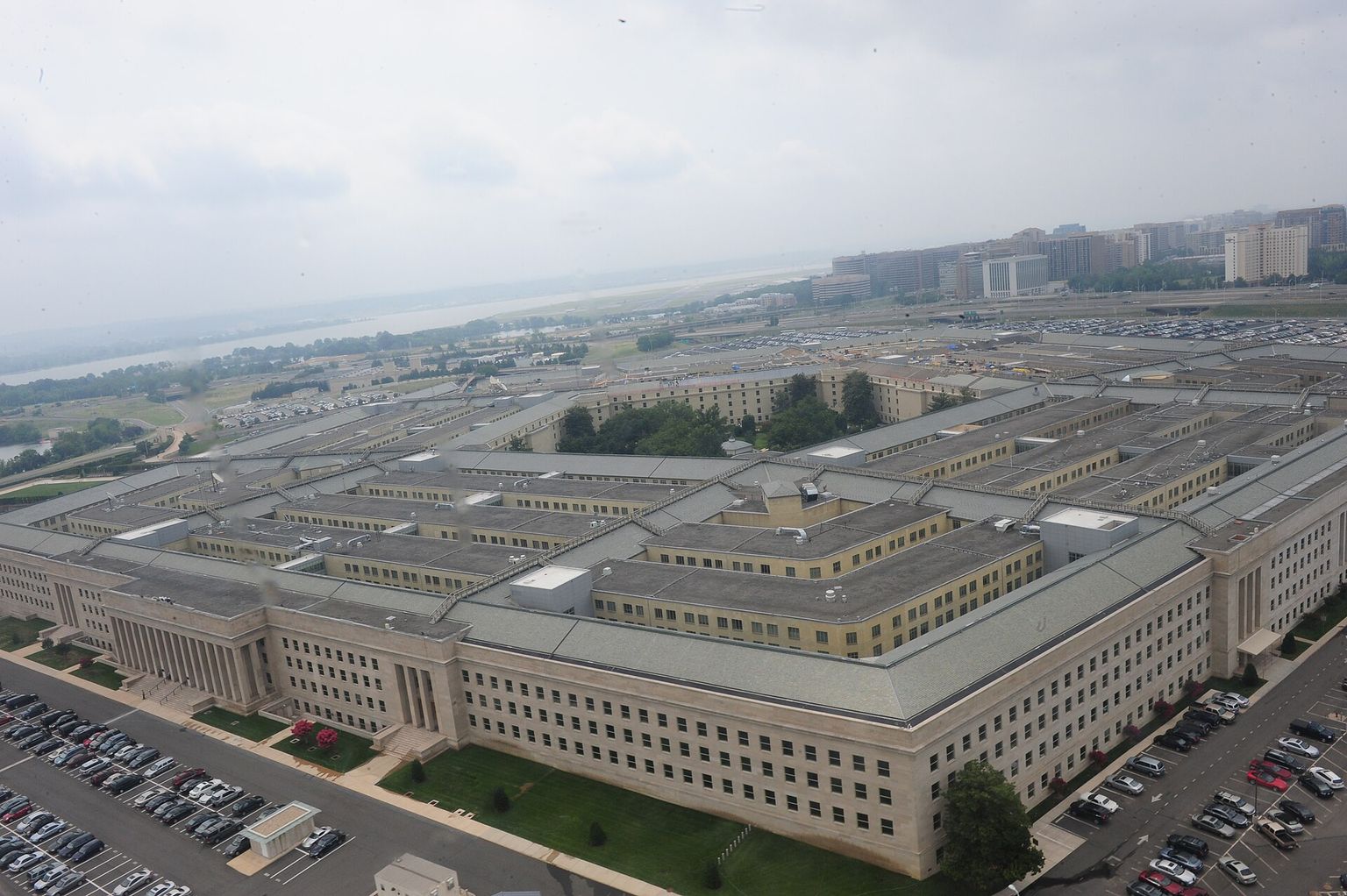
Defense Secretary Pete Hegseth announced on October 1, 2026 that the Department of War will stand up the Autonomous Warfare Command (AUTOWARCOM), a new four-star command built to scale drone and robotic warfare across every military branch. He unveiled it alongside a 20% cut to the military's generals and admirals during a "State of the Force" speech at Marine Corps Base Quantico, Virginia.
Background
The announcement extends a reorganization Hegseth began in July 2025 with the Drone Dominance Program, the Pentagon office created to close a battlefield drone gap exposed by Ukraine and the Middle East. That program has since run through rolling "Gauntlet" vendor competitions, most recently Phase 3's $450 million buy for roughly 60,000 low-cost attack drones.
AUTOWARCOM goes further: instead of a single acquisition office buying drones, it would be a standing combatant command — a unified military headquarters, like US Central Command or US Space Command, that commands forces and resources across service branches rather than within just one of them — with "service-like authorities" to field autonomous and robotic systems across the Army, Navy, Air Force, and Marine Corps at once. Hegseth described it as "a new four-star combatant command with service-like authorities built to scale autonomous and robotic capabilities across the joint force in the fastest peacetime shift in modern military history."
Creating a new combatant command is a significant, relatively rare bureaucratic step — the Pentagon currently runs 11 of them, covering geographic regions (like Central Command) or global functions (like Space Command or Cyber Command). Elevating autonomous and robotic systems to that tier puts drones, loitering munitions, and uncrewed ground and sea vehicles on the same organizational footing as nuclear deterrence or cyber warfare, rather than treating them as a program inside the existing service branches.
What AUTOWARCOM Will Do
Hegseth set a target of October 1, 2027 — exactly one year out — to formally stand up AUTOWARCOM. Until then, an interim initiative called Project Agincourt will build the command's authorities and processes.
Project Agincourt has two named leaders operating what Hegseth called a "CEO, COO partnership":
| Role | Leader | Focus |
|---|---|---|
| Strategic ("CEO") | Owen West, Director, Defense Innovation Unit | Strategic risk, resources, and scale |
| Operational ("COO") | Max Strasiser, Navy SEAL Senior Chief | Combat employment and operational problem-solving |
The stated goal is "warfighting acquisition, not just acquisition that happens at the Pentagon" — pairing frontline operators directly with equipment makers in rapid iteration cycles, rather than routing every drone purchase through the Pentagon's traditional, multi-year procurement process. Hegseth framed the urgency around adaptability rather than any single aircraft: "Ukraine's lesson is not that one type of drone wins wars, but rather the need for a purpose-built system that maximizes the ability to adapt." He also pointed to Iran's heavy drone use during this year's seven-month conflict, which forced US forces to burn through expensive missile interceptors defending against cheap drones.
A 20% Cut to Generals and Admirals
In the same speech, Hegseth doubled a reduction he first ordered in spring 2025. The military must now cut 20% of its flag and general officer positions — roughly 1,600 roles — up from the original 10% target, with a deadline of January 1, 2027. "I call it accountability and long overdue," Hegseth told the junior officers and enlisted leaders gathered at Quantico.
The two announcements are tied together in Hegseth's pitch: fewer senior officers overseeing traditional force structure, and one new four-star command concentrating authority over the autonomous systems he argues will define future conflicts.
An Uneven Rollout So Far
AUTOWARCOM's "fastest peacetime shift" framing sits awkwardly next to a recent, contradictory decision inside the force it is meant to unify. A US Army unit in Europe built specifically around drone warfare was ordered to stand down and revert to conventional infantry roles earlier this year, a move that drew a bipartisan congressional inquiry. Whether AUTOWARCOM's new authorities will reverse decisions like that one, or simply add another layer of command above them, is one of the first questions it will have to answer once Project Agincourt starts operating.
What This Means for Drone Pilots
AUTOWARCOM has no direct effect on FAA rules or civilian airspace — it is a military command, not a regulator. But it matters to anyone working in or around the defense-drone supply chain: a new combatant command with its own budget authority and a mandate to buy "warfighting" hardware faster is likely to pull more manufacturing capacity, software talent, and FPV piloting skill toward defense contracts over the next year, the same trend already visible in the Drone Dominance Program's vendor competitions.
It is also a signal of how central autonomy and AI have become to military drone programs — a trend PickDrones covers in depth in its guide to drones and artificial intelligence. For contractors and former military drone operators, Project Agincourt's "operator-to-entrepreneur" model is worth watching closely over the next twelve months as the Pentagon decides which companies get fast-tracked into AUTOWARCOM's supply chain.
FAQ
Sources: NBC News / AP | DefenseScoop
More like this
Related Articles

FAA Awards $12M for BVLOS Drone Test Research (2026)
The FAA gave $12 million to 19 BVLOS drone research projects on October 5, 2026, as its Part 108 rule sits stalled in White House…
Germany Backs Ukraine With $9.6B Drone Interceptor Deal
Germany and Ukraine signed 15 defense deals worth over $9.6B on Oct. 4, funding mass production of jet-powered interceptor drones…

Wing, Walmart Drone Delivery Hits Denver, Seattle in 2027
Wing and Walmart will launch drone delivery in Denver and Seattle in 2027, expanding toward 270 Walmart stores and 40 million US c…