NATO Drone Edge: $40B Counter-Drone Plan Unveiled
NATO announced the Drone Edge initiative on July 7, 2026, at the Defence Industry Forum held alongside the alliance's summit in Ankara, Turkey, committing more than $40 billion over the next five years to counter-drone defense, drone procurement, and operator training. The package includes a new NATO-wide marketplace for certified counter-drone systems and a plan to train five times as many drone operators by the end of 2027.
Background
The announcement responds directly to lessons from the war in Ukraine, where both sides have relied on cheap first-person-view (FPV) attack drones, quadcopters, and loitering munitions — often costing a few hundred to a few thousand dollars each — to strike targets that would otherwise require missiles or manned aircraft. That cost imbalance, where a multimillion-dollar interceptor is used to shoot down a drone worth a fraction of that price, has exposed a structural gap in Western air-defense doctrine, which was built primarily to counter fighter jets and cruise missiles, not swarms of small, low-cost types of drones.
NATO also cited a rise in drone incidents affecting member states, particularly along the alliance's eastern flank, in recent months. Airspace incursions near military installations and critical infrastructure in the Baltic and Central European states have pushed counter-drone capability from a niche concern to a top-line budget item. C-UAS (Counter-Unmanned Aircraft Systems) is the umbrella term for the radars, radio-frequency sensors, jammers, and directed-energy weapons used to detect, identify, and neutralize unauthorized drones — the exact category of equipment Drone Edge is designed to fund at scale.
What the $40 Billion Funds
NATO structured Drone Edge around three concrete mechanisms rather than a single line-item purchase.
First, a counter-drone marketplace will list systems that are NATO-tested and NATO-compatible, letting member states buy interoperable equipment instead of building isolated national programs that can't share data or coordinate against a shared threat. Second, the NATO Support and Procurement Agency (NSPA) has already awarded a contract worth "hundreds of millions of dollars" for surveillance drones, an early signal of how the broader $40 billion will flow through existing NATO acquisition channels. Third, the initiative folds in expanded electronic warfare and detection capacity — radar, RF sensors, and jamming systems — aimed at the low, slow, small targets that conventional air defense radar was never tuned to track.
NATO framed the rationale bluntly: drones have "fundamentally altered the character of modern warfare and become a decisive factor on the battlefield," and effective defense now depends on the ability to rapidly detect, identify, and neutralize them before impact.
| Drone Edge component | What it does |
|---|---|
| Counter-drone marketplace | Lists NATO-tested, interoperable C-UAS systems allies can buy off the shelf |
| NSPA procurement contract | Hundreds of millions of dollars already committed for surveillance drones |
| Electronic warfare & detection | Radar, RF sensors, and jammers tuned for small, low, slow targets |
| NFTE operator training | Drone-operator training added to NATO Flight Training Europe's mission |
Training Five Times More Operators by 2027
Hardware alone doesn't close the gap — NATO says it needs far more trained personnel to operate both offensive and defensive drone systems. NATO Flight Training Europe (NFTE), previously focused on manned aircrew training, is being extended to cover drone operators. Finland, France, and Sweden joined NFTE as part of this announcement, bringing total membership to 20 allied nations with access to 16 flight training centers spread across eight countries.
The alliance's stated goal is to train five times as many drone operators by the end of 2027 compared with current output — a target that reflects how personnel, not just equipment, has become the bottleneck in scaling counter-drone defense across 32 member states.
What This Means for Drone Pilots
Drone Edge is a defense-procurement initiative, not a new civilian flight rule, so recreational and commercial pilots in NATO countries won't see an immediate change to where or how they can fly. The practical effect will show up gradually and indirectly: expect more counter-drone sensors and jamming equipment deployed around military bases, airports, and critical infrastructure across NATO territory over the next five years, which can affect GPS reliability and radio links for drones operating nearby. Operators flying near borders on NATO's eastern flank, in particular, should expect tighter airspace enforcement as detection coverage expands.
The initiative also mirrors a broader trend already visible in the US SAFER SKIES Act counter-drone rule and the Pentagon's new consolidated drone office — governments on both sides of the Atlantic are treating counter-drone capability as core infrastructure, not a specialty niche. Manufacturers building detection and mitigation hardware, and companies training C-UAS operators, are the most direct commercial beneficiaries of the NATO investment.
For hobbyists, the more relevant long-term effect is precedent: as member states build out dedicated counter-drone detection networks, some of that sensor infrastructure and regulatory framework will likely extend to civilian airspace management too, following the same pattern seen with BVLOS rulemaking in the US, where military and commercial detect-and-avoid research has fed directly into civilian rules.
FAQ
Sources: NATO | Army Recognition
More like this
Related Articles
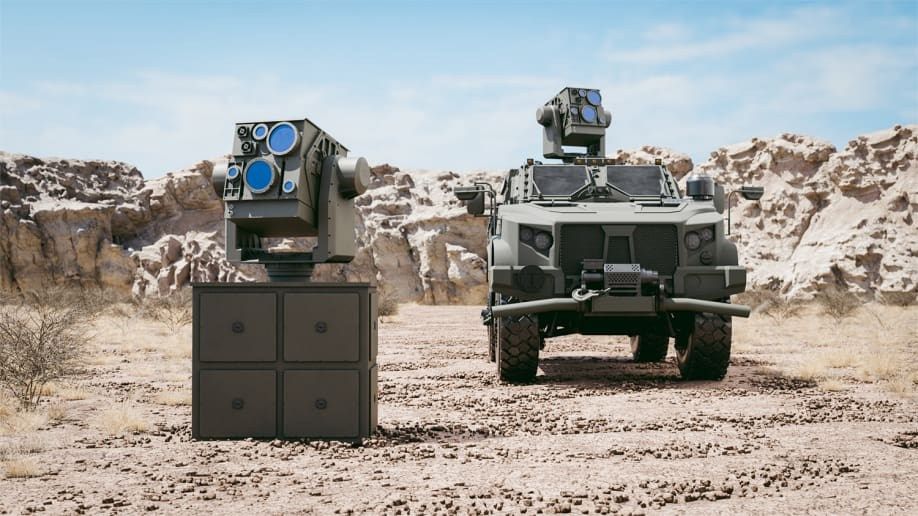
Counter-Drone Lasers: Pentagon Picks 5 US Bases (2026)
The Pentagon chose AeroVironment, Epirus, Kord, and Boeing lasers for a yearlong counter-drone pilot at 5 US bases, starting fall…
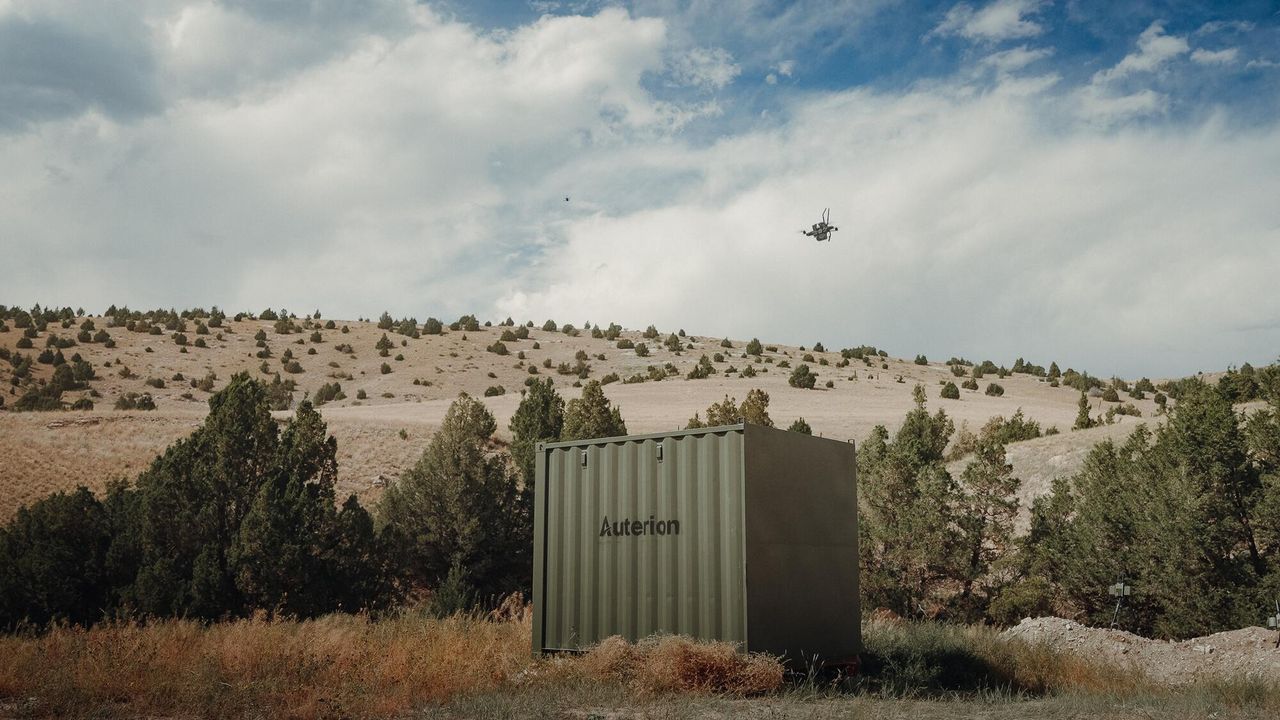
Auterion's Nemyx VLS Packs 30% More Drones, Any Brand
Auterion's Nemyx vertical launcher fires drones from any manufacturer, packing 30% more aircraft per tube for military customers i…

FAA Awards $12M for BVLOS Drone Test Research (2026)
The FAA gave $12 million to 19 BVLOS drone research projects on October 5, 2026, as its Part 108 rule sits stalled in White House…