BVLOS Drone Network Opens Kansas Skies to Farmers
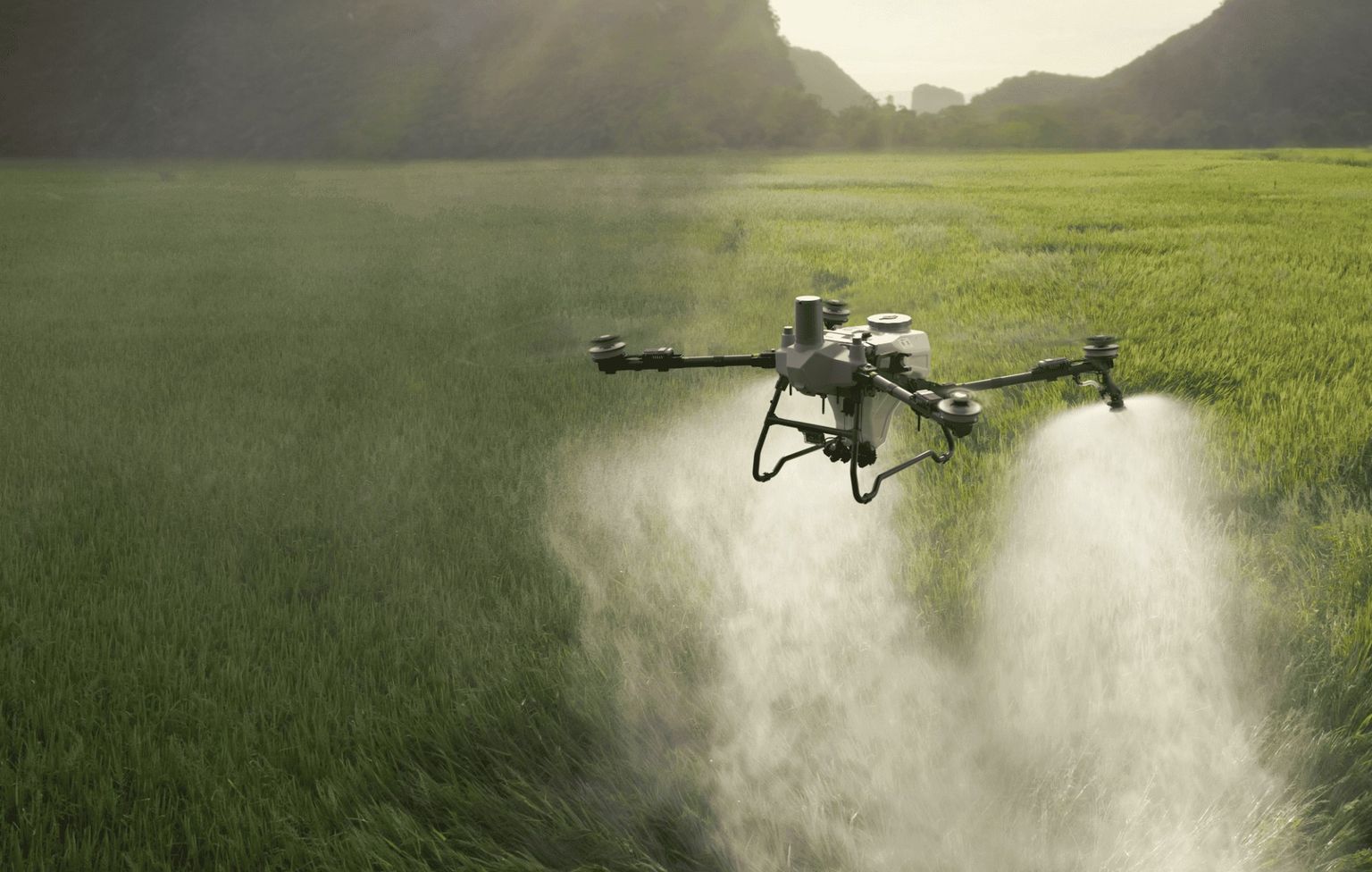
Thales and Kelly Hills Unmanned Systems launched a beyond visual line of sight (BVLOS) drone network for Kansas farms on August 27, 2026, letting agricultural drones spray, scout, fertilize, and seed crops without a pilot keeping the aircraft in sight. The network runs on Thales' TopSky air traffic platform, the same system that manages roughly 40% of global airspace across more than 100 countries.
BVLOS (Beyond Visual Line of Sight) is drone flight where the remote pilot cannot see the aircraft with the naked eye and instead relies on sensors, radar, and automated systems to detect and avoid other traffic. It is the single biggest unlock for commercial drones, because a pilot who must keep a drone in sight can only cover a few hundred acres a day — one who doesn't can cover thousands.
What Thales and Kelly Hills Are Building
Kelly Hills Unmanned Systems, founded in 2024 by Heinen Brothers Agra Services, was awarded a $3 million contract by the Kansas Legislature in February 2026 to develop BVLOS technology for agricultural use, working with the Kansas Department of Agriculture. Thales supplies the digital backbone through TopSky, its air traffic control automation platform, integrated with detect-and-avoid systems designed to manage risk to people, property, and other aircraft sharing the airspace.
The initial applications are squarely agricultural: crop spraying, scouting, fertilizing, and seeding across Kansas farmland. Because a BVLOS-cleared drone doesn't need a visual observer stationed within line of sight, a single remote pilot can run a spray mission over a far larger area than current visual-line-of-sight rules allow — closer to the coverage of a crewed agricultural aircraft than a conventional drone operation.
"TopSky has helped safely manage the world's busiest airspace for decades. Now we're applying that expertise to unlock agricultural drone potential at scale across the U.S.," Thales North America CEO Rob Geckle said, according to DRONELIFE. Kelly Hills CEO Lukas Koch added that the partnership lets "farmers work smarter, safer, and more efficiently in Kansas, creating scalable solutions for farming operations nationwide."
Built on North Dakota's Vantis Playbook
The Kansas deployment isn't Thales' first BVLOS network in US airspace. The company previously built the digital infrastructure for North Dakota's Vantis system, which operates the industry's first FAA-approved data enclave for uncrewed aircraft at the Northern Plains UAS Test Site. Kansas is a direct extension of that model: prove BVLOS can run safely in a defined agricultural corridor, then use the same airspace-management architecture as a template other states can adopt.
That matters because BVLOS approval in the US has historically moved waiver by waiver, operator by operator, under FAA Part 107 exemptions. Kansas and North Dakota point to a different pattern — state-level infrastructure investment paired with a single air traffic management provider — that could scale faster than the case-by-case waiver process most operators still depend on.
Where This Fits the FAA's BVLOS Timeline
The launch lands in the middle of the FAA's own effort to formalize BVLOS rules nationwide. Part 108, the agency's Notice of Proposed Rulemaking for routine BVLOS operations, drew roughly 3,100 public comments and is currently under final review at the Office of Management and Budget. It would replace the current patchwork of individual waivers with two standardized authorization tiers — Operating Permits for lower-risk flights and Operating Certificates for complex or heavier operations. Read our full explainer on what BVLOS means and how Part 108 works for the regulatory background.
State-backed networks like Thales and Kelly Hills' don't wait for Part 108 to finalize — they operate under existing FAA waiver authority while building the airspace-management case that regulators will eventually need to see replicated across the country. If Part 108 clears OMB review in the coming months, agricultural operators already flying inside a network like this one will have a head start on qualifying for the new permit tiers.
What This Means for Drone Pilots
For Kansas farm operators, the practical shift is coverage: a BVLOS-enabled spray mission can treat far more acreage per flight than a visual-line-of-sight operation, without adding a second pilot to serve as a spotter. That directly affects the economics covered in our agricultural drone buying guide — more acres per flight hour lowers the effective cost per acre for spraying and scouting.
For pilots outside Kansas, the signal is about direction of travel rather than immediate access. Thales and Kelly Hills are explicit that the goal is a template other states and use cases can adopt, following the same pattern North Dakota set with Vantis. Commercial operators in states without a comparable network still need individual FAA BVLOS waivers for now, but the infrastructure being proven in Kansas is the kind Part 108 is expected to formalize nationally.
FAQ
Sources: DRONELIFE | Unmanned Airspace
More like this
Related Articles
Skydio ISR Command Lets 1 Soldier Fly 2 X10D Drones
Skydio ISR Command lets one soldier fly two X10D drones and pass target grids to strike platforms up to F-16s. See what launched a…
DJI Dock 4 Launch: 25-Second Battery Swap, No FCC Grant
DJI Dock 4 launched Oct. 14, 2026 with a 25-second battery swap and the 59-minute Matrice 5TD. Here are the specs, the missing FCC…
DJI Phantom 4 Pro V2 Service Ends Oct. 31: Owner Guide
DJI ends Phantom 4 Pro V2 repairs and support on Oct. 31, 2026. Here is what stops, what still works, and what owners should do be…