Joby Starts First eVTOL Air Taxi Flights in Texas
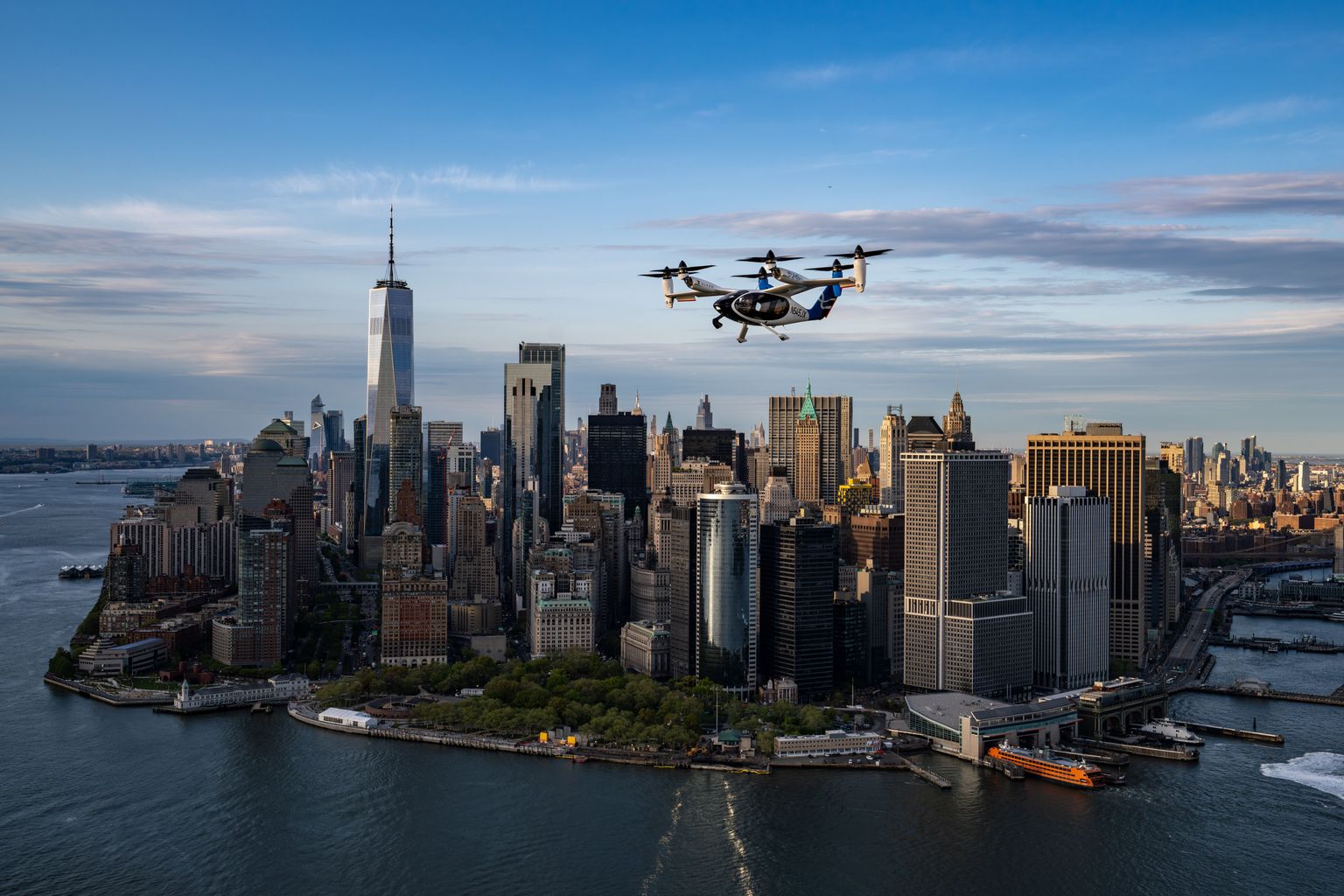
Joby Aviation began piloted eVTOL flights over the Dallas-Fort Worth region on September 10, 2026, marking the company's first flights under the FAA's eVTOL Integration Pilot Program (eIPP). The week-long campaign is the first time a powered-lift air taxi has flown in Texas as part of the federal push to integrate electric aircraft into everyday airspace.
Background
The eVTOL Integration Pilot Program (eIPP) is a three-year FAA initiative, backed by the White House, that selected eight regional projects across 26 states in March 2026 to test how powered-lift aircraft — vertical-takeoff electric planes that carry passengers or cargo — can share airspace with existing air traffic. Unlike a rulemaking process on paper, eIPP puts real aircraft into real airspace under FAA oversight ahead of full commercial certification.
The Texas project is led by the Texas Department of Transportation (TxDOT) and is designed to eventually link Dallas, Austin, San Antonio, and Houston with electric air taxi routes. Four companies — Joby, Archer Aviation, Beta Technologies, and Wisk Aero — are participating, though Joby is the first to fly under the program in the state.
For drone pilots, eIPP matters because it is the FAA's live testing ground for a question that also affects BVLOS drone operations: how do you safely mix a new class of low-altitude, uncrewed or lightly-crewed aircraft into airspace that already has helicopters, general aviation, and drones in it? The answers the FAA reaches in Texas — separation standards, communication procedures, local coordination with air traffic control — are likely to inform how the agency eventually manages shared low-altitude airspace nationwide.
Why Joby Chose Dallas-Fort Worth
Joby laid the groundwork for the Texas flights in August, when it leased 45,000 square feet at the Alliance Air Trade Center inside Perot Field Fort Worth Alliance Airport, part of Hillwood's 27,000-acre AllianceTexas development. The lease, announced August 6, 2026, gave Joby its first operational base in Texas and made it the first major eVTOL manufacturer with a physical presence in the state.
"Establishing a presence in Texas puts Joby in one of the most exciting markets in the country," said Greg Bowles, Joby's chief policy officer, when the hub was announced.
The Dallas-Fort Worth flights run September 10–15 as piloted demonstration flights — Joby is not yet carrying paying passengers. In its second-quarter 2026 shareholder letter, the company said it had made its strongest progress yet in Stage 5, the final stage of FAA type certification, with five aircraft flying and 12 more in production. Joby is targeting its first paying passenger flights before the end of 2026.
A Cross-Country Cargo Flight Runs in Parallel
Alongside the passenger aircraft, Joby is flying an autonomous cargo aircraft called the J208 — a modified Cessna Grand Caravan retrofitted with Joby's Autonomy X-01 autonomous flight system — on a coast-to-coast route branded "Electric Skies." The J208 departed Concord, California, on September 8, arrived at Fort Worth Alliance Airport on September 10, and continues through South Carolina on September 14 before reaching Kitty Hawk, North Carolina — where the Wright brothers made the first powered flight in 1903 — on September 16.
From there, the J208 is scheduled to continue toward the East Coast and back across the country through the end of September, demonstrating autonomous cargo flight across nine states in one month:
| Stop | Date |
|---|---|
| Concord, CA (departure) | Sept 8 |
| Fort Worth, TX | Sept 10 |
| South Carolina | Sept 14 |
| Kitty Hawk, NC | Sept 16 |
| Raleigh, NC | Sept 23 |
| Washington, D.C. | Sept 24 |
| Louisville, KY | Sept 25 |
| Wichita, KS | Sept 28 |
| Oklahoma City, OK | Sept 29 |
| Utah | Sept 30 |
What This Means for Drone Pilots
The eIPP flights are the clearest sign yet that the FAA is moving from writing rules for eVTOL air taxis to actually flying them in shared airspace — the same airspace where drone operators fly under Part 107. Pilots operating near Fort Worth Alliance Airport, Kitty Hawk, or the other tour stops through September should expect temporary local coordination and possible NOTAMs tied to the flights.
More broadly, the eIPP is a preview of the airspace integration procedures the FAA will eventually need for both eVTOL air taxis and routine drone BVLOS operations — the two are being built on overlapping regulatory frameworks. Commercial drone operators in Dallas, Austin, San Antonio, and Houston should watch this project closely, since it is likely to shape how their own airspace access evolves once electric air taxis start flying commercial routes in the same cities.
FAQ
Sources: Unmanned Airspace | Joby Aviation | AVweb
More like this
Related Articles
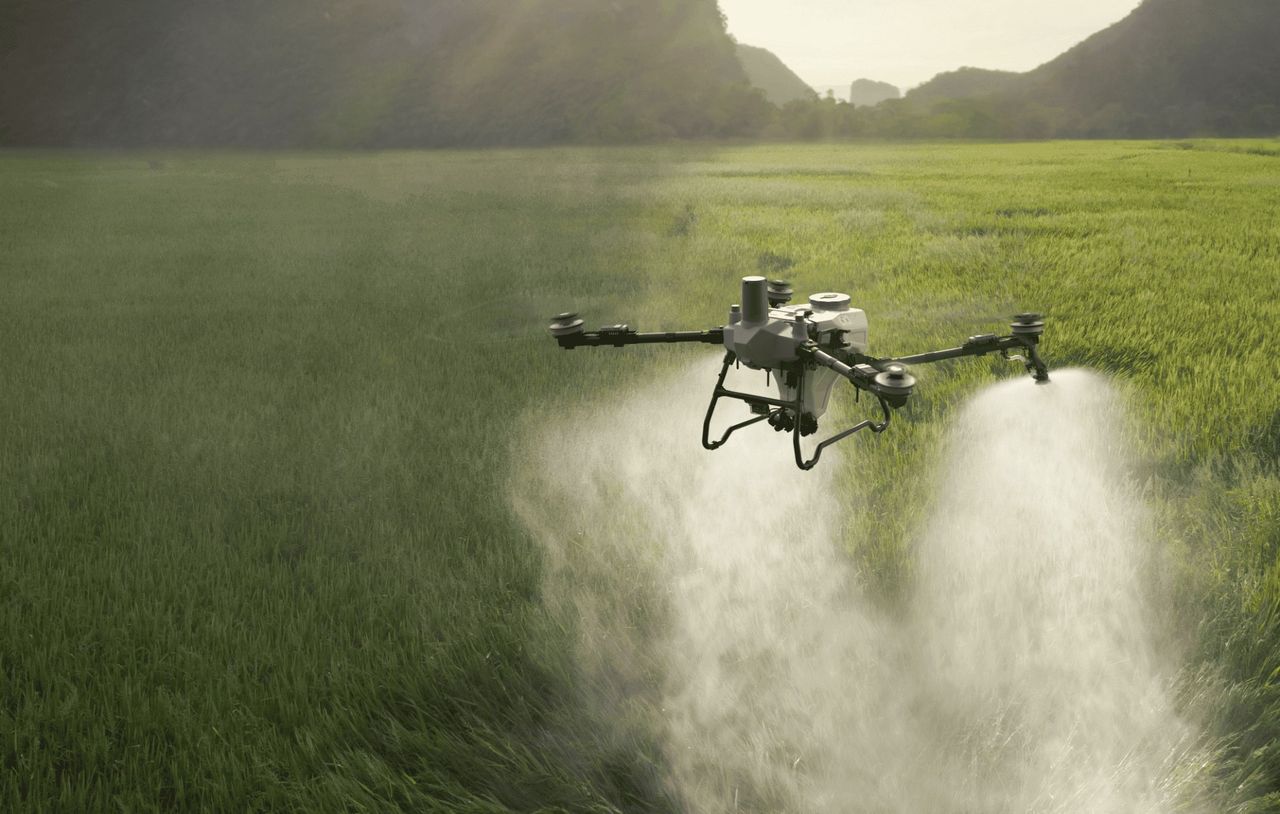
Spray Drone Sales Fell 59% as FCC Ban Looms (2026)
US spray drone sales fell 59% in 2025, the American Spray Drone Coalition says, and it wants the FCC to exempt Part 137 drones fro…
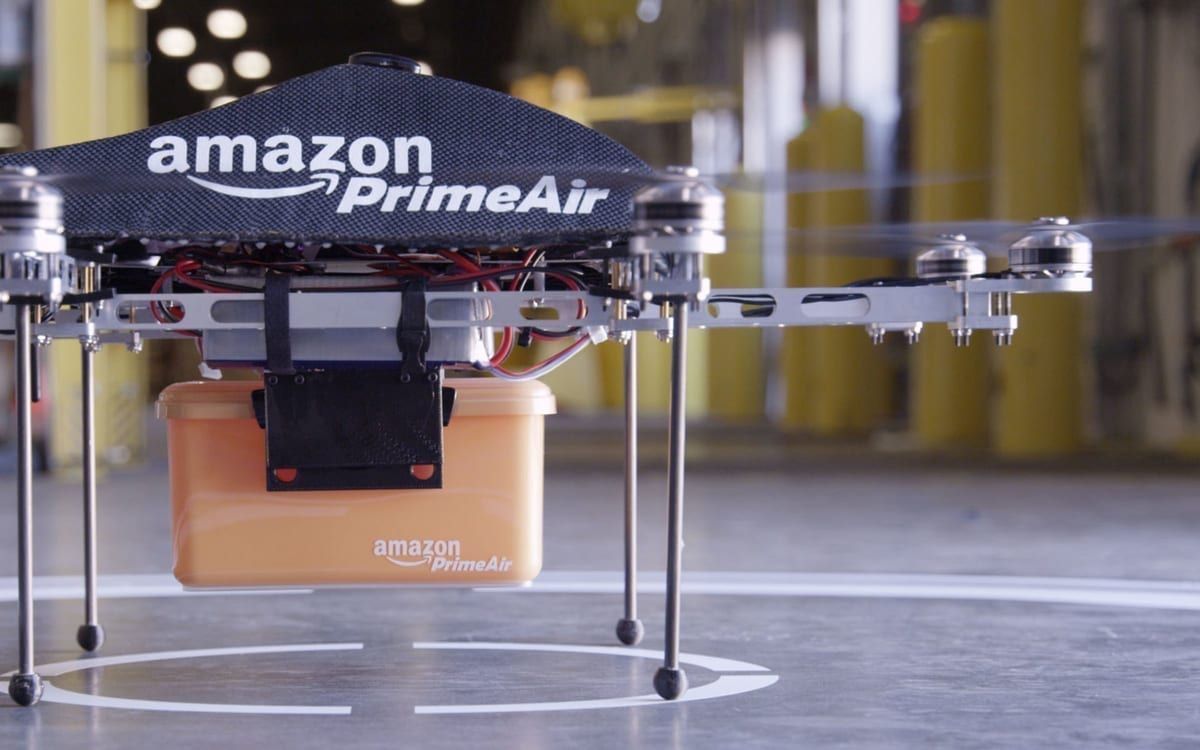
Massachusetts Drone Delivery Freeze: 16 Lawmakers Ask Healey
16 Massachusetts lawmakers asked Gov. Healey on Oct. 19, 2026 to freeze drone delivery certificates. MassDOT told Amazon it needs…
Amazon Drone Delivery Tallahassee: Mid-November Launch
Amazon Prime Air aims to start MK30 drone delivery in Tallahassee by mid-November, with up to 21 drones and a 7.5-mile range. Here…