Joby Archer Lawsuit: Judge Tosses China Claims (2026)
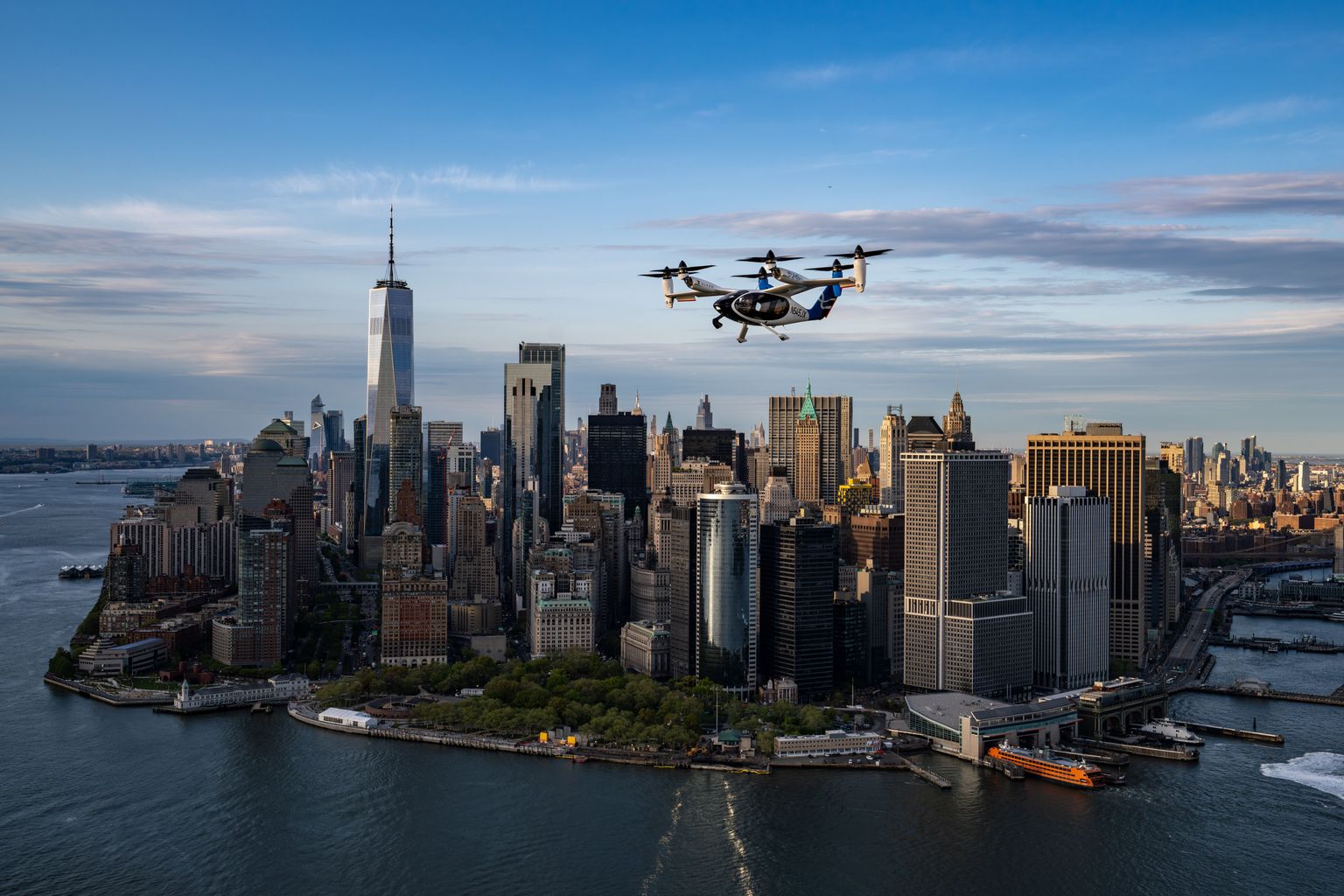
A federal magistrate judge dismissed Archer Aviation's counterclaims alleging rival Joby Aviation concealed ties to China and misled the US government, while allowing Joby's trade-secret-theft lawsuit against Archer to keep moving forward. The ruling, reported September 30, 2026, is the latest turn in a year-long legal fight between the two best-funded electric air taxi developers in the United States.
Background
Joby Aviation and Archer Aviation are the two leading US developers of eVTOL (electric vertical takeoff and landing) aircraft, both racing toward FAA type certification and commercial air taxi service. The companies have competed for the same airlines, airports, and defense contracts for years, and that rivalry spilled into federal court in late 2025.
Joby sued Archer and former Joby policy executive George Kivork, alleging Kivork downloaded confidential files before leaving Joby to join Archer, then used that information to pursue deals Joby had already been negotiating. Archer countered with its own claims, arguing Joby had misled US officials and investors about the origin of some aircraft components and about its relationships with Chinese entities — allegations that became known informally in industry circles as "Sockgate," after Archer claimed Joby misclassified Chinese-sourced parts as other goods to dodge tariffs.
The case, Joby Aero Inc. v. Archer Aviation Inc., et al., No. 5:25-cv-10703, is before US Magistrate Judge Susan van Keulen in the US District Court for the Northern District of California.
What the Judge Ruled
This is not the first time Archer's counterclaims have been thrown out. Judge van Keulen first dismissed them in June 2026, ruling they amounted to "impermissible shotgun pleadings" that failed to meet the pleading standard for fraud-based allegations, and gave Archer until June 29 to file an amended version. According to Bloomberg Law, the judge again rejected Archer's revised counterclaims in the ruling reported September 30, 2026 — this time over allegations that Joby "unfairly jockeyed for government contracts" and concealed its ties to China.
Joby's trade secret claims fared differently. The judge found Joby had plausibly alleged that Archer and Kivork misappropriated proprietary information about leasing space at a Los Angeles airport, pointing to "circumstantial evidence — its efforts directed to the airport during Kivork's employment, the absence of the airport in Archer's plans" beforehand. She ruled there was a plausible threat the pair "will further misappropriate these and other trade secrets," letting that claim proceed toward discovery and, potentially, trial.
Not all of Joby's claims survived intact. Earlier rulings in the case narrowed allegations tied to commercial strategy, regulatory planning, infrastructure, and technical aircraft information, with the judge finding Joby had not sufficiently explained how that broader set of materials was misappropriated. What remains is a slimmed-down but still active lawsuit centered on the airport-leasing dispute.
Why This Matters to the Air Taxi Industry
Joby and Archer are both publicly traded and closely watched by investors tracking the advanced air mobility (AAM) sector, so courtroom developments routinely move both stocks. According to Yahoo Finance, analysts note a loss in this litigation would likely have only a small direct impact on either company's share price — the real catalyst both companies are racing toward is FAA type certification, since failing to win approval "would almost certainly tank their shares."
Still, the ruling is a reputational win for Joby heading into a critical certification stretch, and it keeps a live trade-secret claim — and a former Joby executive's conduct — in the public record as both companies court the same airlines, airports, and defense customers for next-generation AAM (advanced air mobility) deals.
Both companies have kept pushing their commercial timelines forward while the litigation plays out. Joby has been running piloted demonstration flights under its FAA eIPP program, while Archer has pursued its own expansion, including a pending acquisition of Boeing's Wisk Aero and Insitu units that it says will add over $200 million in annual revenue. Neither firm's public roadmap mentions the lawsuit as a risk factor beyond standard litigation disclosures, underscoring the point that investors are watching FAA milestones, not courtroom filings, as the real signal for the sector.
What This Means for the eVTOL Industry
For pilots, operators, and investors tracking the air taxi race, the practical takeaway is that litigation between Joby and Archer is far from over. Archer can still attempt to refile narrower counterclaims, and Joby's surviving trade secret claim now moves toward discovery, where internal communications and hiring records typically surface. Neither company's FAA certification timeline is directly affected by this ruling, but it is a reminder that competition for talent, airport access, and government contracts in the AAM space has become intensely adversarial as both firms approach commercial launch. Readers tracking the broader air taxi market can find background on how these aircraft work and who else is building them in our eVTOL and air taxi guide.
FAQ
Sources: Bloomberg Law | Yahoo Finance | FlightGlobal
More like this
Related Articles
FAA Awards $12M for BVLOS Drone Test Research (2026)
The FAA gave $12 million to 19 BVLOS drone research projects on October 5, 2026, as its Part 108 rule sits stalled in White House…
Germany Backs Ukraine With $9.6B Drone Interceptor Deal
Germany and Ukraine signed 15 defense deals worth over $9.6B on Oct. 4, funding mass production of jet-powered interceptor drones…

Wing, Walmart Drone Delivery Hits Denver, Seattle in 2027
Wing and Walmart will launch drone delivery in Denver and Seattle in 2027, expanding toward 270 Walmart stores and 40 million US c…