F1 FPV Drone Footage Goes Primetime at 2026 Austrian GP
On June 28, 2026, Formula 1 featured FPV drone footage as a primary broadcast camera during the Austrian Grand Prix at the Red Bull Ring — not a brief insert, but a headline sequence airing live and replayed. The footage tracked a wheel-to-wheel fight between Lewis Hamilton and Max Verstappen at lap 11, generating immediate global attention and prompting fans to demand the name of the pilot behind the shots.
It marked the most prominent deployment of FPV (First Person View) drone technology in F1 broadcast history, and a clear signal that high-speed aerial cinematography has moved from novelty to standard production tool in the world's most-watched motorsport series.
Background: F1 and FPV Drones Since 2022
Formula 1 introduced FPV drones to its broadcast lineup at the 2022 Spanish Grand Prix in Barcelona, four years before Sunday's breakthrough moment. The initial footage drew strong viewer responses, but the cameras remained a supporting act — occasional visual flourishes before the broadcast returned to conventional trackside angles and helicopter shots.
Over the following seasons, F1's internal drone operation expanded incrementally, adding FPV coverage to roughly 10 races per year. The technology appeared consistently but cautiously, always as a secondary element in the production mix. Aviation authority approvals had to be secured venue by venue, pilots coordinated with event officials and air traffic control, and the hardware cleared through a pre-approval process before any race weekend.
That caution paid dividends. By June 2026, the operation was mature enough — and the track record safe enough — that F1's broadcast team felt confident elevating FPV from supplement to centerpiece.
What Happened at the Red Bull Ring
The standout sequence aired at lap 11 of the Austrian Grand Prix, placing viewers directly above the early-race fight between Hamilton's Ferrari and Verstappen's Red Bull. The FPV camera dropped low over the cars as they crested and dove through the Red Bull Ring's undulating hills at racing speed, matching driver lines and switching between the two machines from perspectives no fixed or rail-mounted camera can replicate.
The footage aired live on Apple TV — Formula 1's exclusive US broadcast partner for 2026 — then ran again on replay as a production highlight. Both the official Formula 1 account and Red Bull Racing amplified the clips on social media. One widely shared post from F1 read: "Come for the battle, stay for the drone footage." Fans responded immediately, with another post gathering traction: "Take a bow, F1. This drone footage. Somebody get me the pilot's name."
Formula 1 did not release the pilot's identity or the specific model of drone used. F1's internal team was not publicly named in connection with the footage, which is consistent with how the sport handles specialist production contractors at race events.
The Technical Challenge of FPV at F1 Speeds
The footage looks effortless. The technical reality is considerably more demanding.
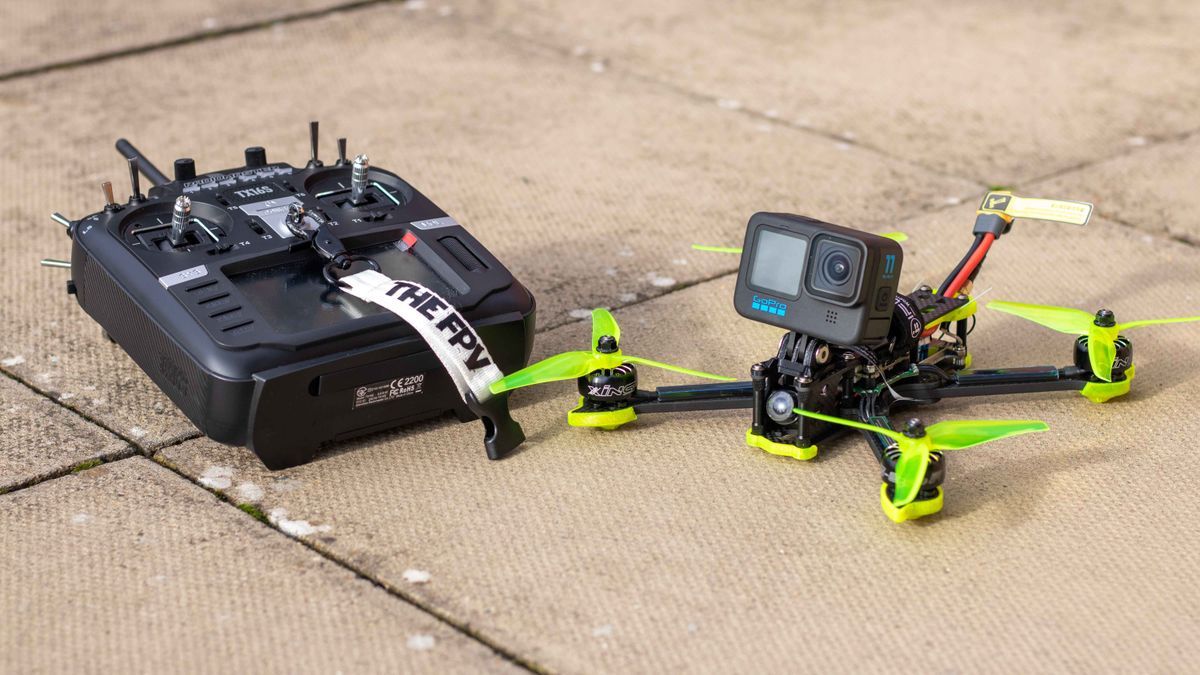
Formula 1 cars sustain speeds above 186 mph (300 km/h) in race conditions. FPV racing drones — the high-performance quadcopters used in competitive racing and freestyle flying — typically reach 100 mph (160 km/h) in a straight line, with the fastest competition drones approaching 130 mph (210 km/h). No FPV platform chases an F1 car in a straight; the physics do not permit it.
What skilled FPV pilots do instead is work with positioning and geometry. A pilot who knows the circuit can fly to where the cars will be — not where they are — using circuit topography, driver lines, and camera angles to produce footage that conveys proximity, speed, and drama without the drone ever needing to match the car's pace. The result is footage that looks like the drone is keeping up when in reality it is cutting through space intelligently.
This is the skill that separates recreational FPV flying from broadcast-quality professional work. Understanding our complete FPV drone guide is a starting point, but live broadcast FPV at events like this requires hundreds of hours of practice, pre-planned flight paths, and real-time situational awareness under significant operational pressure.
What This Means for Drone Pilots
FPV has matured into a serious professional discipline with applications far beyond the racing circuits where the format originated. Cinema productions, music videos, and action sports coverage embraced FPV years ago. But the live sports broadcast market — operating under tight regulatory constraints, real-time production schedules, and global audience scrutiny — has been slower to integrate the technology fully.
The Austrian GP footage shifts that picture. When the world's premier motorsport series treats FPV as a primary camera on a live global broadcast, it becomes a proof of concept for every other major sporting event evaluating drone coverage. Circuit operators, promoters, and broadcasters across multiple sports will be watching.
For commercial FPV pilots, this represents a growing professional vertical. Drone aerial photography and cinematography have long been viable income streams, but live events work demands an additional layer of skill: regulatory compliance, event-specific safety planning, and the ability to deliver consistent results in real time under production pressure. That premium commands correspondingly higher fees.
From a regulatory standpoint, the track record being built at F1 events matters beyond motorsport. Aviation authorities — the FAA in the US, EASA across Europe, the UK CAA, and CASA in Australia — observe how FPV operations perform in high-profile environments. A consistent safety record at televised, regulated events strengthens the case for expanded FPV permissions at a broader range of venues and circumstances.
If you are working toward professional drone work, sports broadcast is now one of the more realistic paths for FPV specialists. Our guide on how to make money with drones covers the certification and commercial framework you will need before approaching event production companies.
FAQ
Sources: DronexL | Formula 1 on Facebook
More like this
Related Articles
Drone Pilot Guilty in CLT Runway Case: Up to 1 Year Jail
A Charlotte man faces up to a year in prison for flying a drone between two live runways at CLT — here's the federal law he broke…
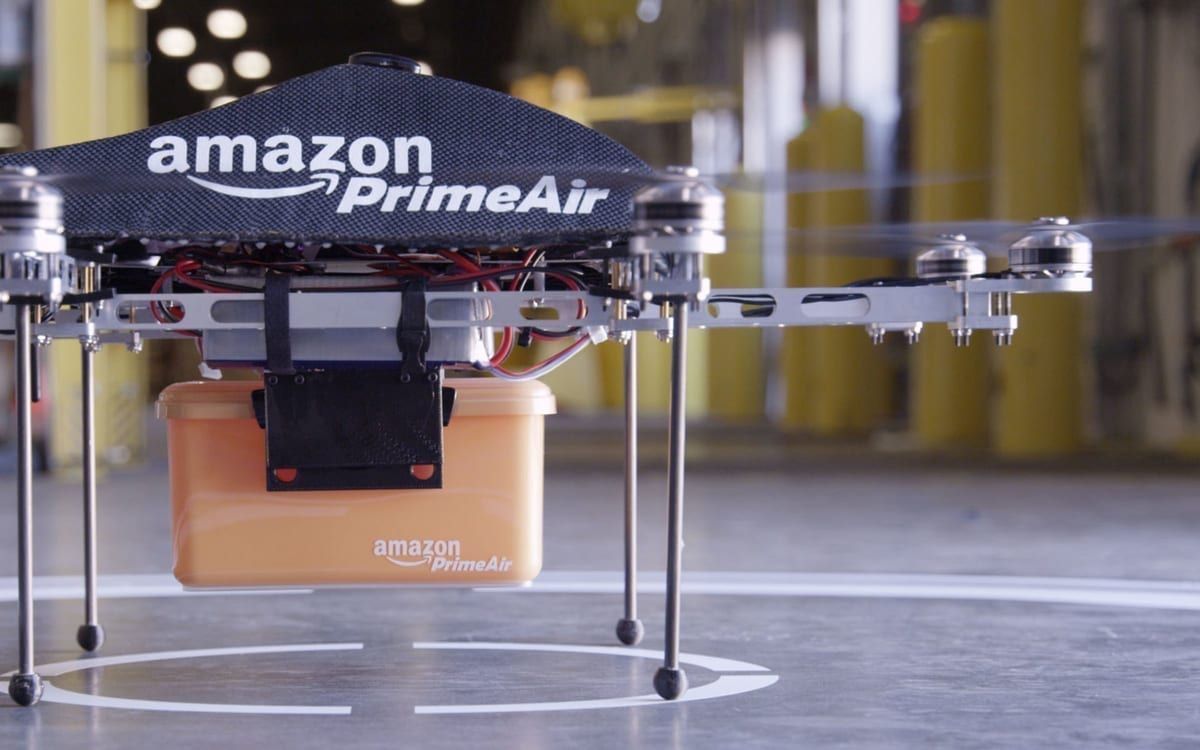
Amazon Drone Noise Sparks Revolt Before 500-City Rollout
Texas residents describe Amazon delivery drones as a flying beehive as noise complaints mount ahead of its planned 500-city US exp…
Elroy Air Boosts Funding to $175M, Lockheed Backs It
Elroy Air raised its PIPE funding to $175 million on Sept. 24, 2026, with Lockheed Martin Ventures backing the Chaparral cargo dro…