FAA Proposes $289K Fine for Unlicensed Ag Drone Flights
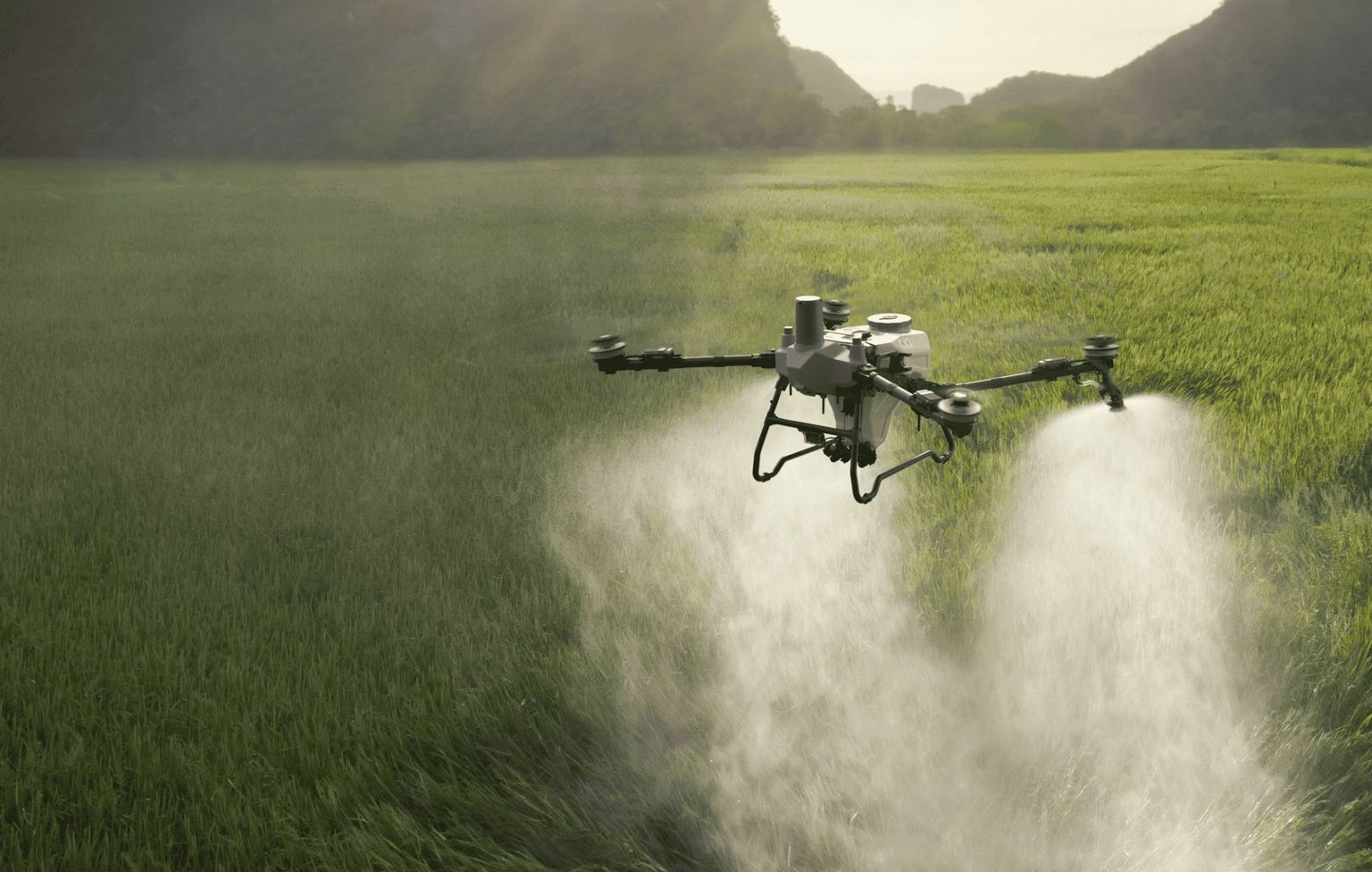
The FAA proposed a $289,215 civil penalty against Gorge Drones of Stevenson, Washington, on August 7, 2026, for flying an unregistered drone to spray fertilizer on 15 occasions in March and April 2025 without an agricultural aircraft operator certificate. The case is a reminder that spraying with a drone takes more than a standard Part 107 license.
Background
The FAA regulates drones used for photography, mapping, and inspection differently from drones used to spread fertilizer, pesticide, or seed. A standard Part 107 remote pilot certificate — the license most US commercial drone pilots hold — covers general aerial work but does not by itself authorize aerial application of agricultural products.
Spraying with a drone falls under 14 CFR Part 137, the same rulebook written decades ago for crop-dusting airplanes. Operators must hold an agricultural aircraft operator certificate, and the aircraft itself needs FAA registration and an airworthiness determination before it can carry chemicals over a field. The FAA has issued exemptions that let drone operators meet Part 137's intent without a piloted aircraft, but those exemptions still require the operator to apply for and hold the certificate first — it is not automatic.
What Gorge Drones Allegedly Did Wrong
According to the FAA's newsroom notice, Gorge Drones used a drone to dispense fertilizer on 15 separate occasions between March and April 2025. The agency alleges three separate violations stacked on every flight:
| Requirement | FAA's allegation |
|---|---|
| Agricultural aircraft operator certificate | Not held |
| FAA aircraft registration | Drone was not registered |
| Airworthiness certificate | Not obtained |
The proposed penalty works out to roughly $19,281 per flight. The FAA has not named the specific drone model involved. As DroneLife reported, companies and individuals facing an FAA enforcement action get a chance to respond before the agency issues a final order, so the $289,215 figure could still change.
Why Agricultural Spraying Needs More Than a Part 107 License
Agricultural drones are one of the fastest-growing segments of commercial UAS, driven by platforms like the DJI Agras line that can carry 10 gallons or more of liquid per flight. That growth is exactly why the FAA treats aerial application as a distinct activity from a Part 107 mapping or inspection job:
- The payload is airborne chemical, not just a camera, so the FAA applies the same aerial-application framework it uses for manned crop dusters.
- The operator certificate is separate from the pilot certificate. A pilot can hold a valid Part 107 card and still be unauthorized to spray.
- Registration and airworthiness are checked independently. A drone bought for photography and later repurposed to spray needs its own registration and, for agricultural use, an airworthiness determination.
States layer their own rules on top: most require a separate pesticide applicator license from the state department of agriculture before any chemical leaves the tank, regardless of what the FAA requires federally.
What This Means for Drone Pilots
Any operator adding aerial application to a drone business — even occasionally, even for a neighbor's field — needs to confirm the agricultural aircraft operator certificate, registration, and airworthiness paperwork are in place before the first flight, not after. A Part 107 certificate alone does not cover it, and the FAA's enforcement arm actively pursues cases like this one rather than issuing warnings first.
The math in this case is a useful benchmark: at roughly $19,000 per unauthorized flight, the cost of skipping paperwork dwarfs the cost of filing for the right exemption up front. Operators outside the US should check their own aviation authority — Brazil's ANAC, the EU's EASA, and others draw a similar line between general commercial drone work and aerial application of agricultural products.
FAQ
Sources: FAA Newsroom | DroneLife
More like this
Related Articles
Drone Pilot Guilty in CLT Runway Case: Up to 1 Year Jail
A Charlotte man faces up to a year in prison for flying a drone between two live runways at CLT — here's the federal law he broke…
Amazon Drone Noise Sparks Revolt Before 500-City Rollout
Texas residents describe Amazon delivery drones as a flying beehive as noise complaints mount ahead of its planned 500-city US exp…
Elroy Air Boosts Funding to $175M, Lockheed Backs It
Elroy Air raised its PIPE funding to $175 million on Sept. 24, 2026, with Lockheed Martin Ventures backing the Chaparral cargo dro…